
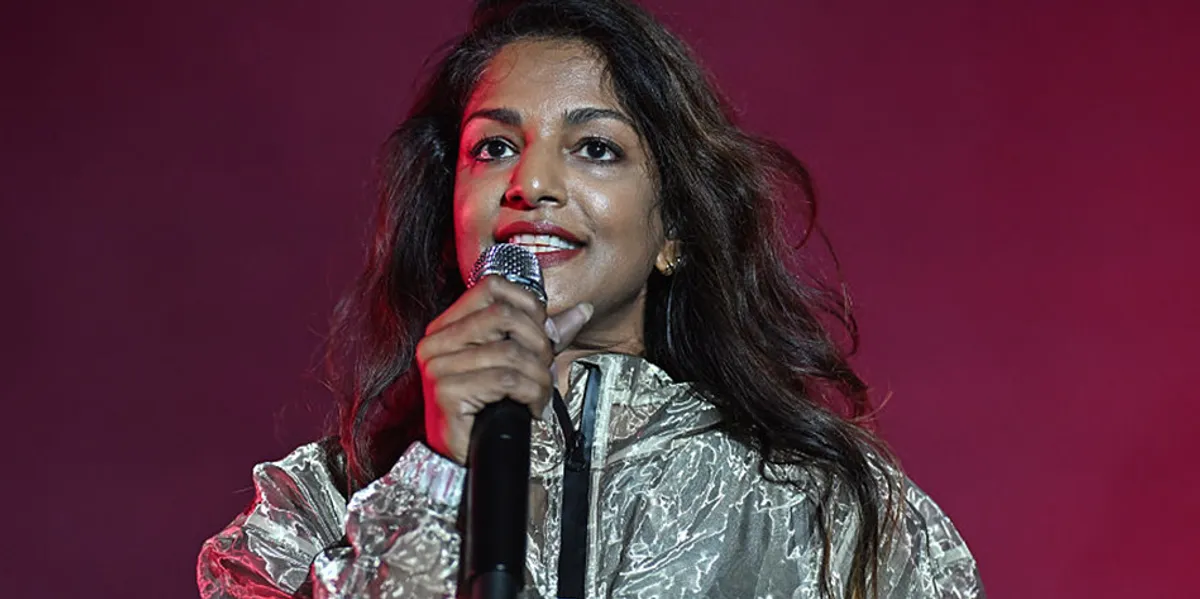
M.I.A. was recently removed from Kid Cudi’s U.S. tour after she told audiences she votes Republican, and the fallout has exposed a raw mix of cancel culture, artistic backlash, and public argument over free expression. The incident reignited old grievances about the music industry, immigration, and who gets to police speech onstage. This piece walks through what happened, how both sides answered, and why the dust-up matters beyond two performers.
The London-born artist Mathangi Arulpragasam, known worldwide as M.I.A., has long mixed hit records with provocative takes about the music business and society. This week she was dropped from the Rebel Ragers Tour shortly after video clips circulated of her telling audiences she supports Republicans, a stance that surprised many fans. Her outspokenness on industry corruption and moral decay has always made her a polarizing figure.
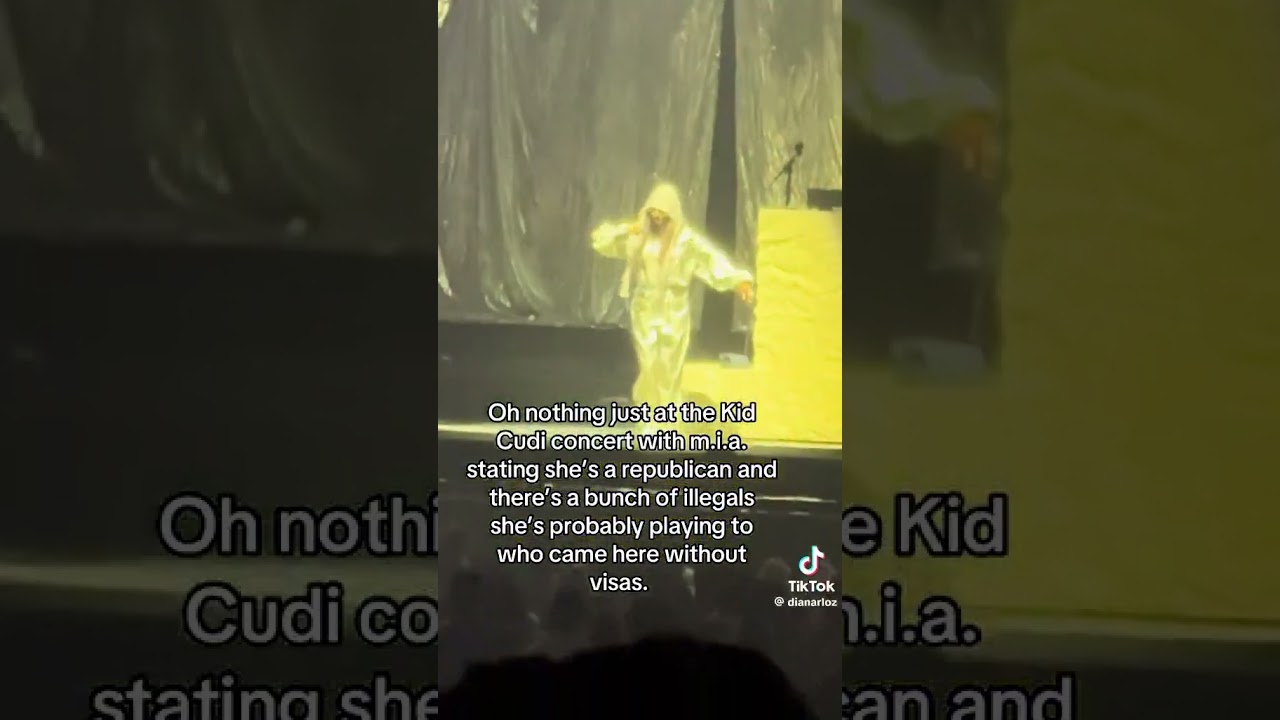
“I’ve been canceled for many reasons. I never thought I would be canceled for being a brown Republican voter,” she told one audience, a line that cut straight through the usual singer-onstage script. She followed that with a wry aside about song choices, saying she “can’t do ‘Illegal,'” then adding “though some of you could be in the audience.” Those lines seemed to inflame more than entertain.
Kid Cudi, born Scott Ramon Seguro Mescudi, issued a blunt response to fans and the situation with his team. “TOUR UPDATE: M.I.A is no longer on this tour,” he wrote. “I told my management to send a notice to her team before we started tour that I didn’t want anything offensive at my shows, cuz I already knew what time it was, and I was assured things were understood.”
Cudi later said he had been hit with messages from upset fans and made his position clear: “This, to me, is very disappointing,” and he added, “‘I won’t have someone on my tour making offensive remarks.’ … and I won’t have someone on my tour making offensive remarks that upsets my fanbase. Thank you for understanding. Rager.” The move looked like a classic clash: headline act protecting its crowd versus a guest who refuses to tone down her politics.
M.I.A. answered fast and fierce, insisting her words were distorted and accusing critics of gaslighting. “I wrote ‘illygal’ on the Maya LP a song from 2010. I started this intro to the song with the statement saying I’m illygal, and I said my team hasn’t gotten visas yet. Then played a song that had lyrics saying ‘Fu&% the law’, which I still believe, if the law is unjust f@%& it,” the rapper on X. She doubled down with, “Do not gas light my words. That is the work of Satan.”
She pushed back on what she framed as opportunistic outrage, reminding listeners that she carved a career out of fighting for immigrant rights long before it became fashionable. “I’ve had [these] battles by myself without the help of millions of fans backing me. I don’t need this virtue signal era to all of a sudden erase an entire life I’ve led. Jesus was an immigrant and a rebel.” Those lines landed as both a history lesson and a challenge to her critics.
The clip that helped spark the reaction resurfaced across social platforms and drew furious replies from some corners of Cudi’s fanbase, which contributed to the pressure on his team. The exchange felt like a live example of how an artist’s politics can ripple into business decisions, with tour stops, ticket buyers, and brand image all at stake. The quick escalation showed how public uproar now drives immediate consequences.
Cudi himself is no stranger to headlines that blur the personal and the political, and his past choices often sparked debate. He publicly distanced himself from Kanye West’s political leanings and once said, “We just don’t talk about it. I totally disagree with it.” He has also made unconventional fashion statements and been candid about his struggles with depression, all pieces of a public persona that courts both admiration and controversy.
On social platforms, M.I.A. argued that she is being punished for being honest about her views and history, while her critics say context and audience matter when you join someone else’s stage. The rawness of the back-and-forth leaves little room for middle ground, and both sides are digging in around principles they say are nonnegotiable.
In a final public thrust, M.I.A. declared she senses a larger moral reckoning and used a religious frame to push back against critics, arguing that the world needs just leaders. She said she believes Jesus has returned to “lead the world justly because there is injustice in this world.” The dispute now sits at the intersection of art, politics, and the business of entertainment, and it shows no signs of quietly fading away.
– YouTube
