
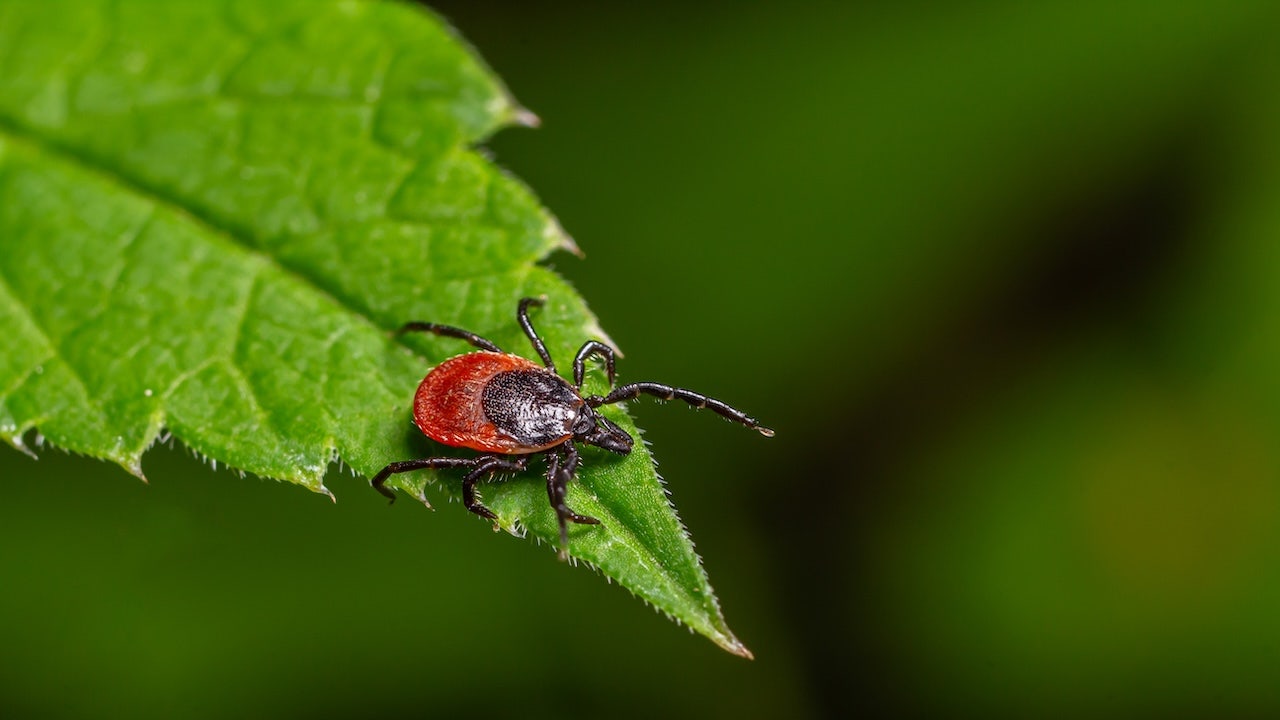
Health officials on Long Island are sounding the alarm after several probable tularemia cases turned up in Suffolk County, putting a spotlight on a rare but serious tick-borne infection that can spread quietly and hit hard. The illness, better known as rabbit fever, is tied to the bacteria Francisella tularensis and can show up after a tick bite, contact with infected animals, or exposure to contaminated material. In one case, a child developed a brutal stretch of fever, pain, swelling, and exhaustion before doctors finally landed on the diagnosis.
Three probable cases have been identified this year, and officials say confirmation can take time because lab testing often stretches on for weeks. That delay matters, since tularemia does not always announce itself in a neat, obvious way. Early symptoms can look like a generic bug or another infection, which is part of what makes it easy to miss until the illness has already moved along.
One of the cases involved a 9-year-old who was bitten by a tick while playing outside, then went on to develop high fever, severe head and neck pain, swollen glands, body aches, and crushing fatigue. After several doctor visits and nearly a month of feeling sick, an infectious disease specialist connected the dots and identified tularemia. Even though the family’s yard had wild rabbits, the boy did not handle them, and doctors believe the tick likely picked up the bacteria from an animal before passing it along.
The bacteria behind rabbit fever usually circulate among rabbits, hares, and rodents, but the illness is zoonotic, which means it can jump from animals to people. It is also considered a tier-1 select agent by the CDC, a label reserved for organisms with serious potential to cause harm if misused. That classification sounds dramatic, and it is, but the day-to-day danger comes from the disease’s ability to spread through ordinary outdoor exposure.
In the United States, tularemia is still uncommon, but it has become more visible in recent years. CDC data show 196 cases reported in 2023 and 2,462 cases from 2011 through 2022, which marked a 56% rise in incidence compared with the previous decade. Some experts say better testing is helping uncover infections that may have slipped by before, especially as newer tools like PCR make detection faster and sharper.
People can pick up the infection in several ways, including bites from ticks or deer flies, contact with infected animals, or exposure to contaminated water or aerosols. Symptoms vary depending on how the bacteria enters the body, but common signs include chills, headache, fatigue, muscle pain, cough, vomiting, diarrhea, and abdominal pain. In some cases, patients also develop swollen lymph nodes, skin ulcers at the bite site, eye irritation, pneumonia, or even bloodstream infection.
The disease is often treatable with antibiotics, but that is only part of the story. Without the right treatment, tularemia can become life-threatening, and the CDC says the death rate, while usually low, can climb sharply in severe cases. There is no vaccine, so prevention is still the best line of defense, especially for people who spend a lot of time outdoors or work around wildlife.
Risk is not spread evenly, either. Children between 5 and 9, older men, American Indian and Alaskan Native people, and residents of central U.S. states face higher rates, according to public health data. For anyone who hunts, handles rabbits, or spends time in brushy areas where ticks are common, the key is paying close attention to unexplained fever, swollen glands, or a bite that turns into something far worse than a nuisance.
