
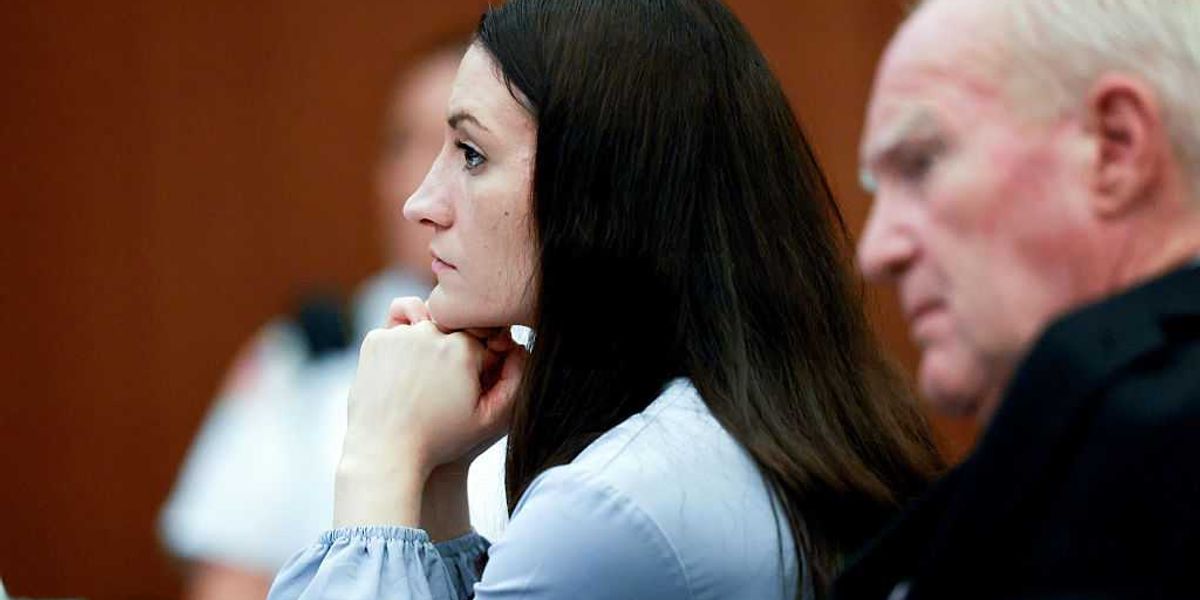
Lindsay Clancy’s case remains one of the most disturbing and closely watched criminal stories in recent memory, and fresh reporting has brought the jury process back into focus. The key detail making waves is the account from a holdout juror’s brother, who says the family has barely been able to function normally since the verdict pressure and public attention hit. That kind of fallout shows how heavy these trials can get, not just inside the courtroom but far beyond it.
At the center of the report is the tension that comes with a case involving shocking allegations, a grieving community, and a jury that did not move in lockstep. A holdout juror can shape the rhythm of deliberations in a major way, forcing everyone else to slow down, rethink, and revisit the evidence with fresh eyes. In a case this emotional, even one person’s hesitation can become the difference between a quick consensus and a tense, drawn-out decision.
The brother’s remarks add a human layer to a process that often gets flattened into headlines and verdict talk. He says the family “cannot leave the house,” which gives a sense of how intense the public reaction has been around this case. When a trial draws this much attention, relatives and jurors’ loved ones can get swept into the storm even if they never wanted any part of it.
That reaction also points to the pressure ordinary people can face when they are pulled into a major legal proceeding. Jurors are expected to be steady, careful, and emotionally distant, but that is a tall order when the facts involve tragedy and the public is watching every move. Once a case becomes a national conversation, the people closest to it can end up carrying stress that follows them home and lingers long after the courtroom lights go dim.
Clancy’s case has been especially hard for many to absorb because it sits at the intersection of family tragedy, mental health questions, and the criminal justice system’s demand for clear answers. Those ingredients make for a painful public story, but they also make deliberations more complicated than a simple yes-or-no judgment. Jurors have to cut through emotion, weigh evidence, and live with the reality that whatever they decide will shape the rest of the case.
Holdout jurors often become the most talked-about people in the room because they keep the process from becoming automatic. Sometimes they are seen as stubborn, and sometimes as principled, but either way they force the group to confront whether the evidence truly meets the standard required. In a high-stakes case like this, that role can carry enormous weight and spark plenty of debate outside the courthouse.
The strain described by the juror’s brother also reflects a broader truth about big trials: the drama does not end when the judge leaves the bench. Families, neighbors, and even casual observers can feel the blast radius when a case dominates the news cycle and social media starts chewing on every detail. What seems like a legal outcome on paper can turn into a long, messy aftermath for everyone nearby.
As reporting keeps circling back to the people involved, the case continues to show how messy justice can look when tragedy, public scrutiny, and hard verdict choices collide. The juror’s family account keeps the spotlight on the emotional cost of serving in a case this charged, and that part of the story may stick around long after the headlines move on.
