
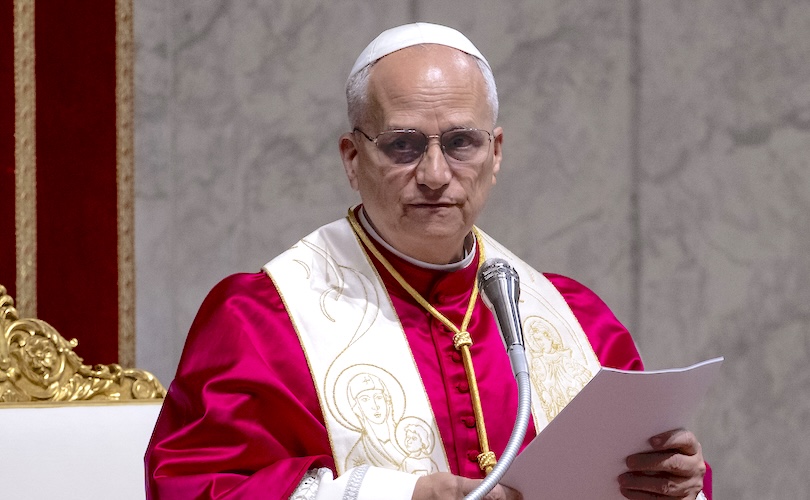
On his return from Africa, Leo XIV used an in-flight interview to weigh in on a handful of hot-button issues, and his remarks landed like a splash in a quiet pool. He signaled a shift in tone on sexual morality and issued a clear statement on capital punishment that will stir debate. The comments arrived amid ongoing conversations about faith, public life, and the role of moral teaching in modern society.
In the cramped, candid setting of an airplane interview, Leo XIV spoke plainly about contemporary concerns and tried to steer the conversation toward pastoral priorities. Reporters pressed him about cultural trends and legal policy, and he answered with the mix of theological reflection and practical judgment people have come to expect. That setting framed his words as unscripted and immediate, which makes the reaction sharp and personal.
The headline line that summed up his remarks read “Leo XIV downplays sexual morality, ‘condemns’ the death penalty” and that phrasing has dominated early responses. On sexual matters he suggested a softer public posture, arguing that pastoral outreach should avoid harsh judgment and should emphasize mercy and accompaniment. Those comments were read by many as a de-emphasis on strict sexual teaching, and that reading has set off concern among traditional believers who fear doctrinal drift.
From a conservative perspective, the idea of downplaying sexual morality raises real alarms about consistency and clarity in moral guidance. The public needs leaders who hold firm to timeless principles, not ones who hedge important truths to fit cultural winds. It is one thing to urge compassion in personal ministry, but it is another to blur moral lines in ways that confuse communities trying to pass on stable values to the next generation.
On the death penalty, Leo XIV’s remarks were unambiguous and drew attention because they clash with long-standing public safety instincts held by many conservatives. He reportedly “condemns” the death penalty, using language that places a moral judgment on a policy some states and communities still view as necessary for justice and deterrence. For voters and officials who prioritize law and order, that stance feels out of step with the need to protect innocent lives and to honor victims.
These comments will not land in a vacuum; they will be parsed by churchgoers, policymakers, and the broader public, and they will shape ongoing debates over the proper balance between mercy and justice. Expect conservatives to press for clarity about where doctrine ends and prudential policy begins, and to insist that compassion never means abandoning accountability. The tension between pastoral sensitivity and clear moral teaching is not new, but high-profile statements like this make it immediate.
Whether one agrees or not, Leo XIV’s in-flight interview has already sharpened the conversation about how religious leaders should speak on divisive public issues. It is a reminder that words from prominent figures move markets of opinion and can realign expectations about moral leadership. The debate will continue, with people on all sides arguing over tone, principle, and the responsibilities leaders owe to their communities.
