
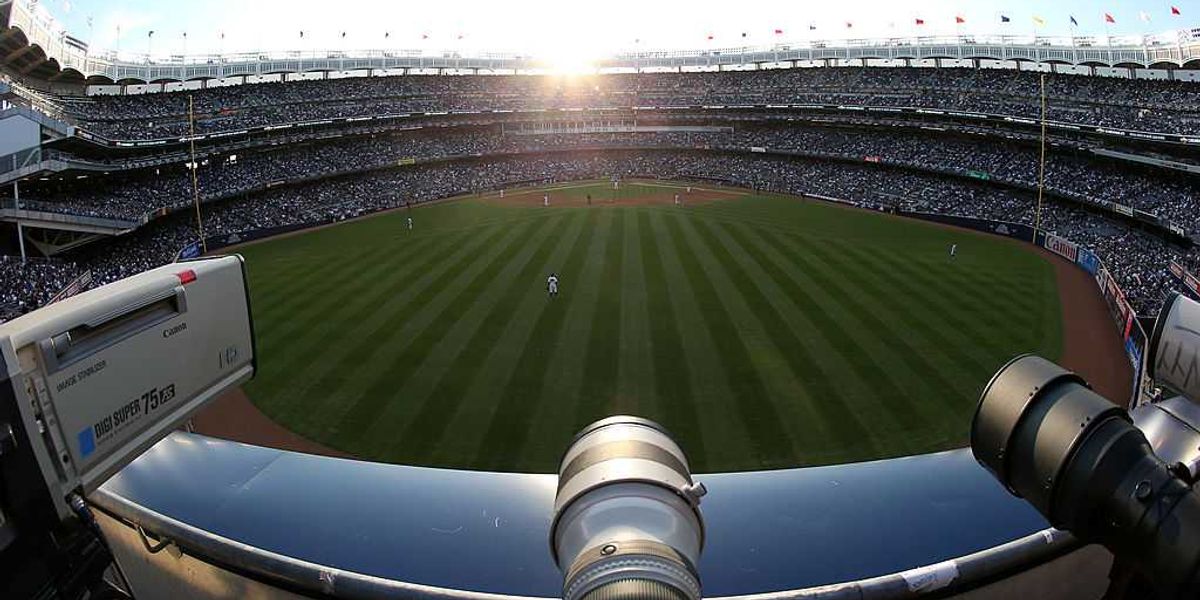
Fans used to gather around a single screen and share the same moments; that shared culture is fraying because broadcast blackouts and exclusive streaming deals have put big chunks of the sports calendar behind paywalls. This article traces how a law meant to stabilize leagues became a tool for squeezing viewers, why local fans are losing access, and how recent Republican-led enforcement moves aim to push leagues back toward competition and viewers back toward the stands and living rooms they once shared.
There was a time when television made national moments unavoidable and communities bonded over a common broadcast. Baseball and football once held entire seasons in the national imagination, with huge percentages of the country watching marquee games. Those shared viewing habits helped form a cultural glue you can still point to in conversations about American life.
The flip side is that leagues negotiated rights in ways that made sense for a different era. The Sports Broadcasting Act gave major leagues a way to pool telecasting rights, which helped smaller clubs survive when ticket sales mattered most. That legal carve-out was designed for a world of over-the-air broadcasts and packed stadiums, not the fragmented, internet-first market we live in now.
Once cable and then streaming arrived, the leagues found a new revenue play: make key games exclusive and sell them to the highest bidder. What started as packaged rights deals turned into regional blackouts and nationwide paywalls, with major platforms paying eye-popping sums for single-night exclusives. That money is great for league coffers, but it doesn’t help a fan who can’t see their local team without multiple subscriptions.
Practical problems have multiplied. Fans discover midseason that a beloved team’s full schedule is scattered across several platforms, with some local games only on a handful of broadcast windows. One city might get a dozen games on a local station while the rest sit behind streaming services. For viewers, the result is confusion and rising costs just to follow a single club.
Blackout rules still exist in various forms and they create strange pockets of exclusion. In some states, fans are barred from watching certain nearby teams unless they buy an expensive package. That used to be about protecting ticket sales; now it looks like protecting bundles and subscription revenue at the expense of local loyalty. Those choices erode the natural, organic fandom that once defined American sports.
Leagues and streamers will argue that exclusives fund stadiums, youth programs, and better production values. That’s not untrue, but it ignores the distribution problem. A system that raises revenue by reducing access ends up privileging the wealthiest fans and the richest tech firms over ordinary viewers who used to rely on local angles and free over-the-air games.
Polling shows a clear appetite for change: a large majority of fans want games available on local broadcast channels without extra cost. Broadcasters and local stations aren’t happy about being shut out either, since the local relationship between team, TV partner, and community is often the glue that keeps younger fans engaged. Fixing access isn’t just nostalgia, it’s an investment in the next generation of supporters.
There’s also a legal angle worth watching. The Sports Broadcasting Act was written for telecasting as it existed decades ago, and there are arguments that modern internet distribution falls outside the original carve-out. If that reading holds, leagues might be operating under protections Congress never intended for streaming exclusives. That legal gray area is a ripe target for enforcement.
The Republican response so far has been straightforward and firm. Federal agencies opened inquiries into how the NFL and MLB sell rights, and regulators asked for public comment on the state of sports broadcasting. Those moves reflect a broader Republican push for competition and scrutiny of dominant players, especially when consumer access and market fairness are on the line.
Fans and local broadcasters should press leaders to act, and lawmakers can update statutes written before streaming reshaped media. Courts and Congress will probably have to weigh in; antitrust teams must decide if the current setup is protecting competition or propping up gatekeepers. Either way, restoring reasonable local access will require deliberate steps, not wishful thinking.
