
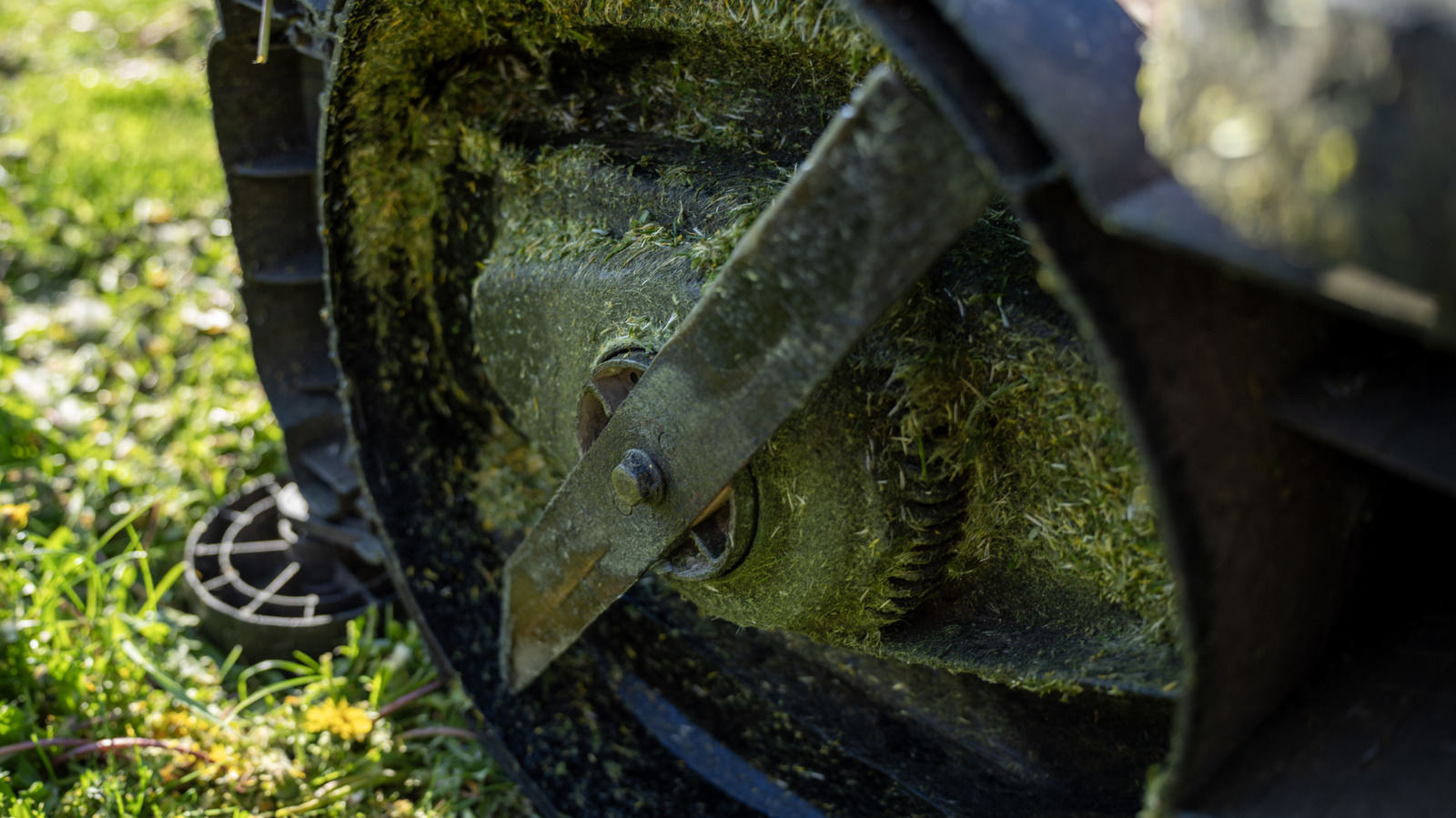
Ready to stop scraping dried grass off your mower every weekend? This piece walks through the tools that actually make cleaning faster, the materials that protect your deck and blades, and the routine steps that keep rust from taking hold. It focuses on practical hardware choices, safe techniques, and simple coatings that extend the life of your gear. If you want less fuss and fewer repairs, these are the essentials to have on hand.
Start with the right scrapers and brushes because the wrong tool ruins metal quickly. A thin plastic scraper removes stubborn clumps without gouging painted decks, while a flat metal putty knife gets into tight creases when you need a firmer scrape. Use a stiff nylon brush after scraping to clear residual bits without scratching, and keep a small wire brush for areas where paint is already compromised and rust needs attention.
Don’t underestimate the value of a decent cordless blower and compressed air for drying and clearing out wheel wells and vents. Blowing away loose debris before you start reduces the need for heavy scraping and cuts down on moisture traps that lead to rust. A short burst of air also exposes hidden wet pockets under the deck that a broom or towel might miss, so cleaning becomes faster and more thorough.
Rust prevents performance and shortens equipment life, so plan for protection, not just cleanup. After cleaning, apply a water-displacing spray or light oil to exposed metal to keep moisture off until you can do a full inspection. For painted decks, a few thin coats of a dedicated deck spray or even a silicone-based protector will shed clippings and moisture and make the next cleanup almost effortless.
When it comes to blade care, remove blades on a level surface and follow manufacturer torque specs to avoid damage or imbalance. Clean blades with a wire brush and fine grit if rust appears, and touch up any nicks with a file to maintain performance. Balancing matters: a badly balanced blade vibrates, wears bearings, and makes cleaning feel like a losing battle, so re-balance before reinstalling to keep vibration down and metal wear minimal.
Keep safety gear and small hardware handy so cleanup doesn’t become a half-finished chore. Thick gloves protect fingers from sharp edges and stubborn gunk, eye protection keeps you safe from chips, and a magnet on a stick helps recover dropped screws or nuts. Store replacement screws, lock washers, and a bit of high-temp grease nearby so you can swap damaged parts quickly and keep everything sealed against the elements.
Finally, make a short maintenance habit part of your routine instead of letting clippings build up until they harden into a problem. Wipe down and blow out the deck after each use when possible, do a deeper scrape and protectant application every few weeks during heavy mowing season, and inspect for rust or paint damage monthly. A little hardware and a few minutes of attention now prevent costly repairs later and keep your mower cutting clean and true.
