
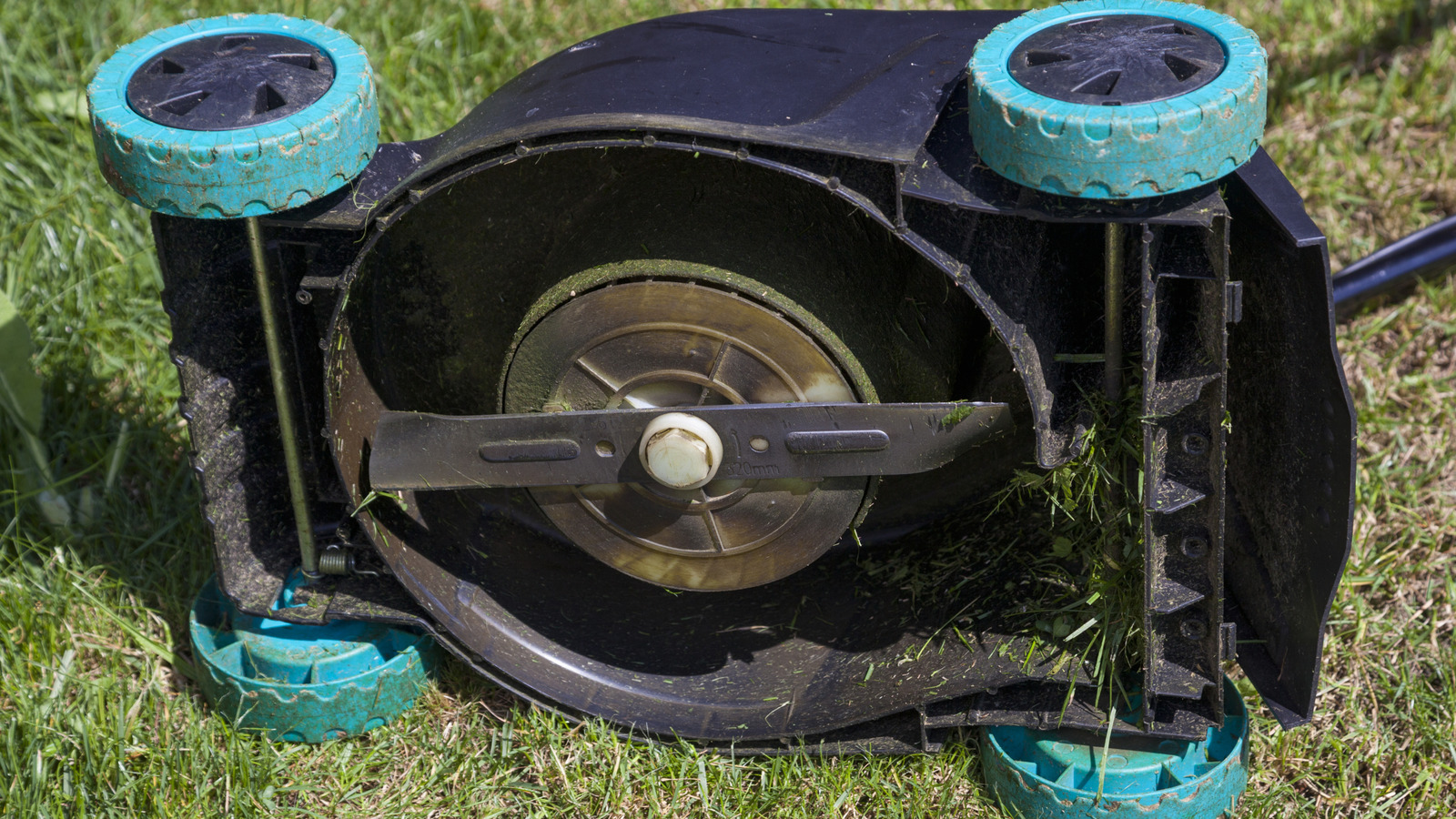
Keeping a lawn mower blade in good shape is one of those small chores that pays off fast. A clean cut helps grass recover better, keeps the mower working smoothly, and avoids the mess that comes with torn, ragged blades of grass. But chasing a razor edge is not the goal, because an edge that is too fine can wear down quickly and cause more problems than it solves.
The sweet spot is a sharp but sturdy cutting edge. If the blade is taken all the way to a razor finish, it becomes more likely to chip, fold, or pick up damage the first time it meets dirt, grit, or a tiny stone. That kind of edge tends to dull out faster, which means more sharpening, more wear, and a shorter blade life overall.
A better approach is to sharpen with control and stop before the edge becomes fragile. The blade should be keen enough to slice grass cleanly, but not so thin that it feels delicate in the hand. A practical rule of thumb is that the edge should still have a little thickness, enough to stay durable without turning blunt.
Safety matters just as much as the grind itself. Before touching the blade, disconnect the power source so the mower cannot start by accident, and make sure the blade is removed and cleaned first. Gloves and eye protection are smart basics, especially when filing or grinding metal can send small bits flying.
Once the blade is off, it helps to secure it in a vise so it stays steady while being sharpened. The key is to follow the original bevel rather than trying to invent a new angle, since that keeps the blade balanced and cutting the way it was designed to. Long, even strokes work better than aggressive pressure, which can leave the edge uneven or overworked.
A hand file is a simple, reliable option for most mower blades. Push the file forward along the cutting edge with steady pressure, then lift it away on the return stroke so the edge is not dulled again. That slower rhythm may not look dramatic, but it gives better control and makes it easier to keep the whole blade consistent from end to end.
Some people prefer a power tool for the job, and that can work too if the blade is held securely and the angle stays true. The danger with faster methods is taking off too much material too quickly, which can change the blade’s shape before anyone notices. The goal is still the same no matter the tool: a clean, even edge without chew marks or rough spots.
Balance is the other half of the job, and it matters more than many people realize. After sharpening, the blade should sit level on a balancer, because one heavy side can create vibration, extra wear, and a rougher cut. If one end dips, a little more material needs to come off that side until the blade sits flat and calm.
The finished edge should look smooth and uniform, with no nicks, cracks, or jagged patches left behind. It does not need to be razor thin to do good work, and in fact a tougher edge usually performs better over time. A mower blade sharpened with that balance in mind is ready for the lawn, not a display case.
