
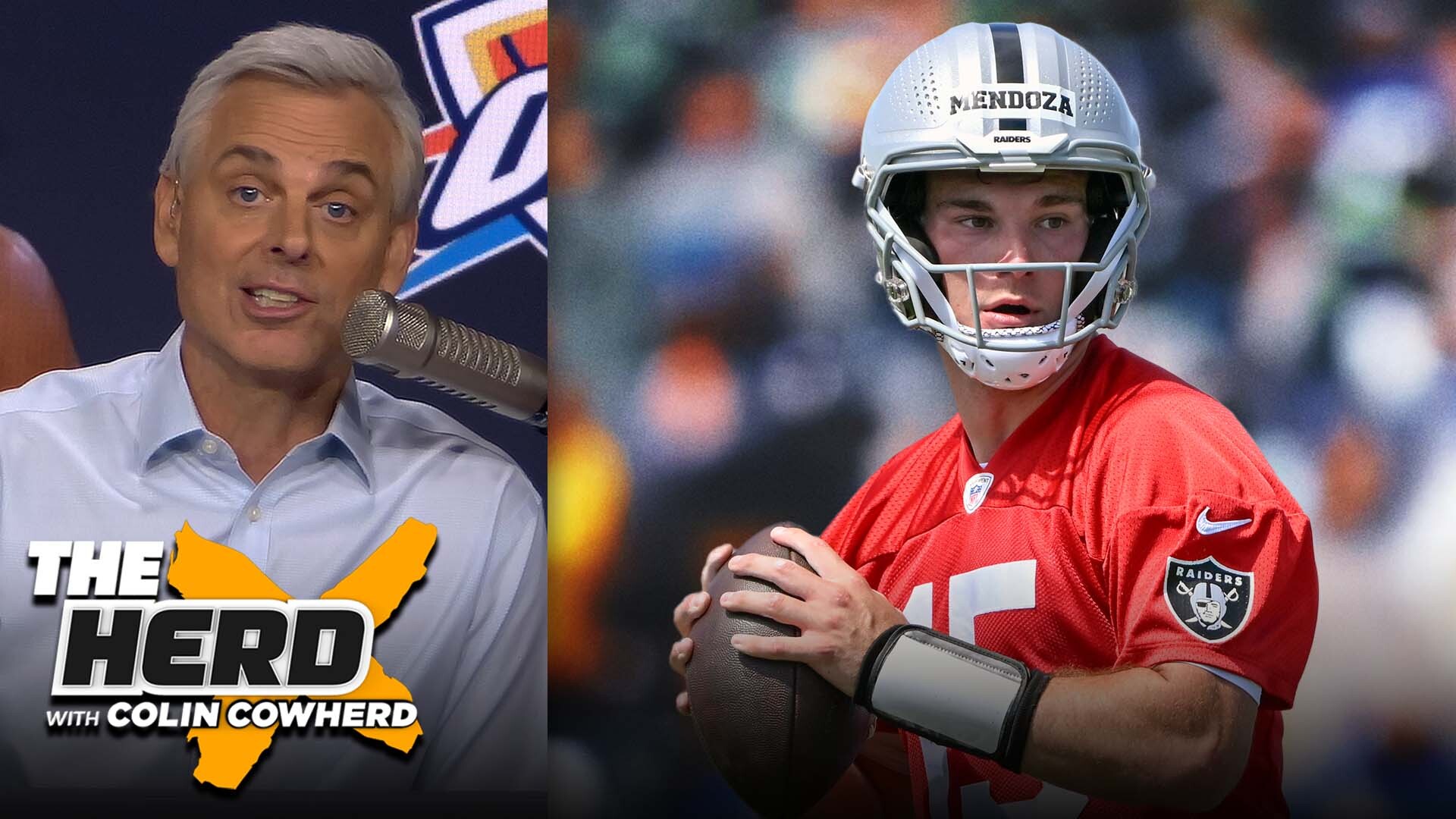
Colin Cowherd weighed in on the Las Vegas Raiders’ offseason, pointing to the club’s quarterback and its new head coach as key drivers of real progress and renewed optimism for the season ahead.
Cowherd’s take centers on clear signs of movement after a quiet stretch of middling results. He argues that a vocal leadership shift and sharper identity in coaching can change a team’s arc, and he sees those elements coming together in Las Vegas. That combination, he suggests, makes the offseason feel less like tinkering and more like a reset.
The quarterback position is the obvious headline. Instead of treating it like a problem to paper over, the organization appears to be investing in a signal-caller who can grow inside a system. Cowherd points to improved timing in offseason work, cleaner progression reads in practice reports, and a willingness to take calculated risks as indicators that the position is trending in the right direction.
Hand-in-hand with the quarterback story is the arrival of a new coach who has laid out a simpler, more disciplined approach. Cowherd emphasizes that coaching clarity matters more than hype: players perform when roles are clear and accountability is consistent. The new staff’s early emphasis on fundamentals and situational football has gotten attention because it’s the kind of steady work that shows up on game day.
Beyond names and Xs and Os, Cowherd highlights culture as the fulcrum of real change. Talent alone only takes a team so far; a coach who demands consistency and a quarterback who leads by example create a different environment. That shift is subtle but powerful, and it’s the sort of thing that can turn close losses into winnable games.
Scheme tweaks have also been part of the conversation, with the staff dialing back complexity in favor of execution. Cowherd argues that when a roster finally understands its assignments, the margin for error grows and the team plays faster. Simplified play-calling doesn’t mean watered-down football; it means fewer mistakes and more confident play from role players.
Special teams and depth are other pieces Cowherd mentions when discussing sustainable progress. Wins are earned in hidden moments, and he points out that improved roster construction at backup spots creates insurance down the stretch. The offseason method has clearly aimed at shoring up those small edges, the ones that decide tight games.
Of course, there’s a dose of realism in his view. Cowherd notes that optimism is not a forecast; it’s a reason to watch carefully. Offseason gains must survive training camp and translate under pressure, and he concedes that questions remain about consistency and the ability to close games. Still, he frames those as solvable issues rather than fatal flaws.
Fan expectations are a running theme in Cowherd’s commentary. He suggests that supporters should temper instant championship talk but embrace the idea that the team now has a clearer path. That shift in expectation lets the organization build without panic and lets players develop without the crushing weight of unrealistic timelines.
Ultimately, Cowherd sees the Raiders in a better posture than they were a few months ago. The blend of a quarterback who looks more comfortable and a coach who sets firmer standards creates a believable foundation. Whether that foundation holds once the lights are brightest is the question the season will answer, but the opening move in that direction is what Cowherd finds most compelling.
