
The Labor Department has announced that over $1 billion of leftover COVID-19 relief funds will be returned to taxpayers.
Originally allocated by Congress during the pandemic, this money was meant to support unemployment insurance. However, a recent audit revealed that several states continued to spend these funds despite no longer needing them.
The CARES Act, enacted in March 2020, was designed to provide financial aid to those who lost their jobs due to the pandemic. Specifically, the funds targeted unemployment benefits to help Americans during that difficult time. Yet, even after the program ended in 2021, some states were still dipping into the pot, as uncovered by the department’s Office of Inspector General in 2023.
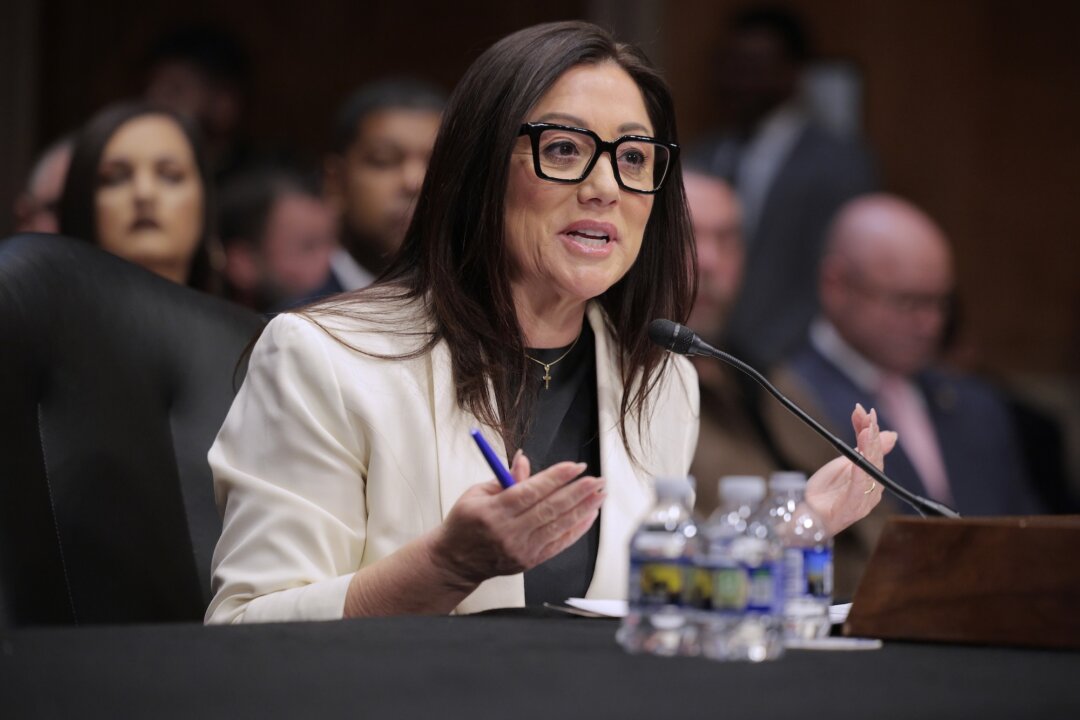
Labor Secretary Lori Chavez-DeRemer emphasized the importance of responsible fiscal management. In a statement, she highlighted her commitment to ensuring that American workers’ tax dollars are used wisely. “Any money still sitting around for pandemic-era unemployment funds is a clear misuse of Americans’ hard-earned tax dollars,” she stated.
Deputy Labor Secretary Keith Sonderling echoed these sentiments, calling the situation “unacceptable.” He stressed that returning these funds to taxpayers aligns with efforts to eliminate waste and misuse. The move is part of the administration’s broader strategy to ensure transparency and accountability.
During her Senate confirmation, Chavez-DeRemer expressed her intention to align with the fiscal policies of the previous Trump administration. Her focus is on reducing unnecessary spending and optimizing resources. This approach has received bipartisan support, with the Senate confirming her appointment by a vote of 67–32.
The Labor Department’s decision is timely, as it follows a recent court ruling involving the Department of Government Efficiency (DOGE). Created under President Trump, DOGE aims to root out waste and fraud. A lawsuit had attempted to block DOGE head Elon Musk from accessing department systems, but the judge ruled in favor of the department.
Concerns were raised that Musk might gain access to sensitive information regarding Occupational Safety and Health Administration (OSHA) investigations. These probes involve companies like SpaceX, Tesla, and The Boring Company, as well as their competitors. However, the court found that the unions representing these concerns had not proven any harm from the department’s actions.
Chavez-DeRemer’s appointment and the recent court decision both highlight a renewed focus on accountability in government spending. The return of these funds is a step toward restoring trust in how taxpayer money is managed. It’s a move that resonates with the values of conservative fiscal responsibility.
In light of these developments, the Labor Department is committed to keeping a watchful eye on how funds are allocated and spent. As taxpayers, Americans deserve to know that their hard-earned money is being used effectively. This sentiment is at the core of Chavez-DeRemer’s leadership and the department’s mission moving forward.
The return of the pandemic-era funds is just one example of the department’s dedication to transparency. It’s a clear message that waste and misuse will not be tolerated. By holding states accountable, the department is safeguarding taxpayer interests.
It’s important to note that this effort reflects a broader trend in government to eliminate inefficiencies. Ensuring that every dollar is accounted for is crucial in maintaining public trust. As the Labor Department continues its work, these principles will remain a guiding force.
This focus on fiscal responsibility is not just a policy but a promise to American taxpayers. By reclaiming unused funds, the department is demonstrating a commitment to stewardship. It’s a move that aligns with the values of those who prioritize efficient government spending.
The actions taken by the Labor Department showcase a dedication to ensuring that taxpayer money is used as intended. By returning funds, they are setting a standard for other departments to follow. It’s a testament to the power of accountability in government operations.
