
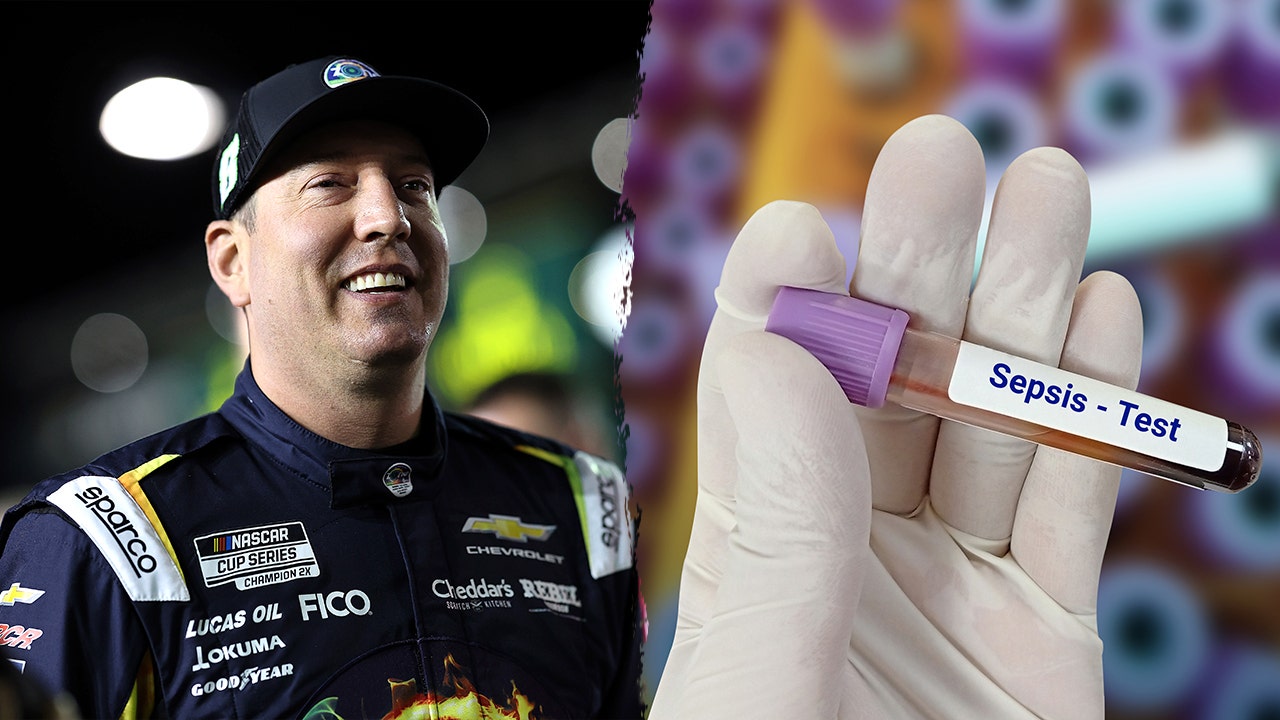
The sudden death of Kyle Busch has focused attention on how pneumonia can, in rare cases, spiral into deadly sepsis, and this piece breaks down what doctors say about the signs, the underlying process, and why quick care matters.
The news of Busch’s rapid decline shocked fans and doctors alike because it illustrates how a familiar illness can turn dangerous fast. Pneumonia normally follows a predictable course, but when the body’s response runs wild, outcomes can change in hours rather than days. That speed is what makes the condition so frightening.
An emergency physician who spoke with reporters laid out how clinicians think about the problem. “Sepsis is actually not a specific disease or diagnosis, but rather the syndrome that occurs when the body has certain abnormal findings and a presumed infection,” said Dr. Kenneth J. Perry, a South Carolina-based emergency medicine physician. Framing sepsis as a syndrome helps explain why it looks different from patient to patient.
Clinically, sepsis shows up through a handful of measurable changes in the body. Elevated white blood cell counts, abnormal temperatures, and higher heart and respiratory rates are common markers that clinicians track closely. Because those signs overlap with pneumonia, a patient with pneumonia can meet the technical criteria for sepsis even before everything looks dire.
People often picture infections as a simple battle where bacteria multiply until they overwhelm the body. The reality is more complicated and usually has less to do with sheer bacterial numbers than with how the body responds. “It is often not the bacteria itself that is causing the specific decline,” Perry said. “In most cases, it is a cascade of inflammatory processes that are set in motion by the infection.”
When that inflammatory cascade spirals, inflammation itself can damage organs and tissues. At that point clinicians move from managing a localized infection to confronting systemic collapse. “The concerning thing that can happen with any individual … is that sepsis can then lead to low blood pressure, worsening vital signs and organ damage,” Perry said.
As more organs struggle, options for effective treatment shrink and complexity rises. Intensive care teams may need to support breathing, circulation, and kidney function all at once, and even then recovery is uncertain. “As multiple organs fail, it becomes very difficult for the medical team to treat and can sometimes lead ultimately to death.”
Recognizing early symptoms matters because early care matters. Pneumonia rarely comes without warning signs: fever, chills, a productive cough, and localized chest or back pain are common early clues. Those symptoms can easily be mistaken for a bad flu, so vigilance and timely evaluation are important for anyone who seems to be getting worse rather than better.
Speed is the single most important factor once sepsis starts to take hold. “We have known for a number of years that early antibiotic therapy is beneficial in the treatment of sepsis,” Perry said, and that prompt supportive care can change the trajectory for many patients. Delays in therapy give the inflammatory cascade more time to damage organs.
If you are treating an infection at home, certain red flags mean you should skip a clinic visit and head straight to the emergency room. Signs like fainting, difficulty breathing, confusion, very fast heart rate, or a sudden drop in urine output point to systemic trouble. In those moments, minutes count and aggressive hospital care may be needed.
Despite horror stories, most people with pneumonia recover with standard care and do not progress to sepsis. Many cases respond well to oral antibiotics and home rest when symptoms are mild and monitored. Still, the loss of a public figure to a rapid decline is a reminder that rare, catastrophic outcomes do occur.
The NASCAR star’s rapid decline underscores the importance of medical vigilance and “having a primary care physician with whom you have a good relationship,” according to the ER doctor. “Monitoring symptoms while having easy access to primary care is a very beneficial and appropriate plan for most patients,” he added.
