
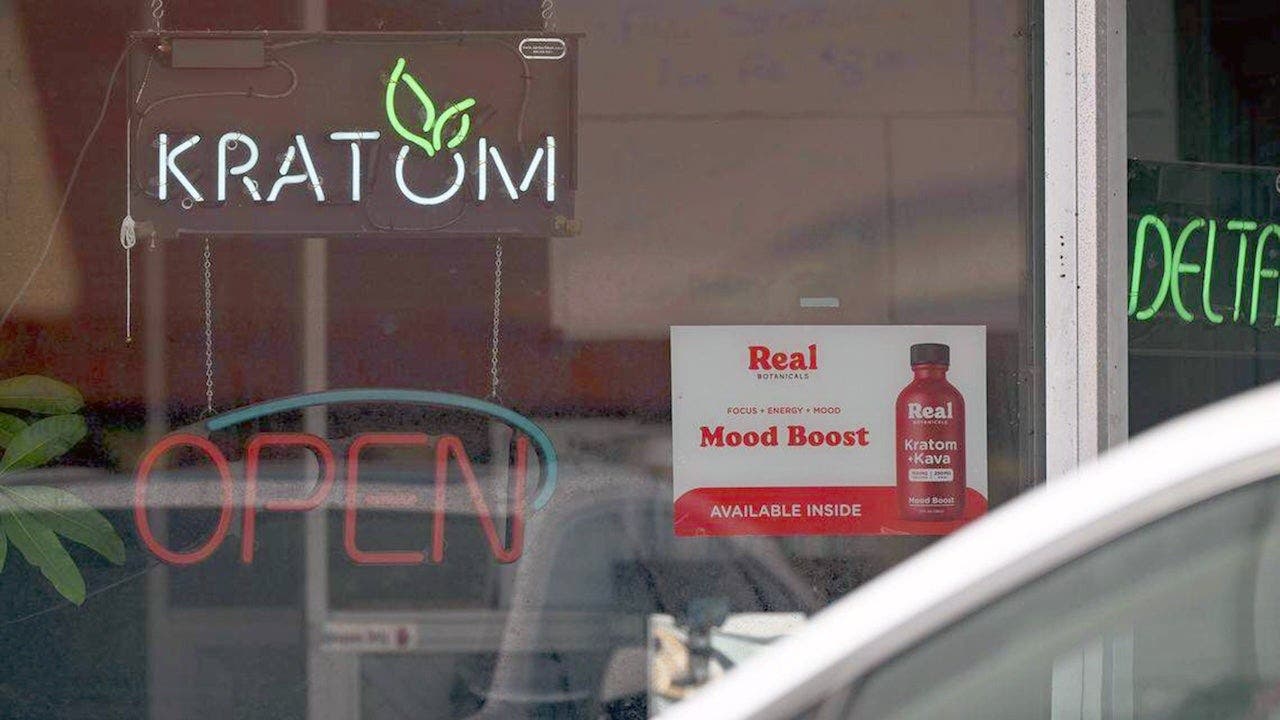
The recent deaths of two University of Mississippi students have put kratom back under a harsh spotlight, especially as more young adults encounter it in shops and online. The plant-based substance is often sold as a natural pick-me-up or a helper for pain and opioid withdrawal, but experts say the story gets messy fast when dose, potency, and mixing come into play.
Kratom comes from a tropical plant and can act in very different ways depending on how much is taken. At lower doses, it can work like a stimulant, while at higher amounts it can behave more like an opioid, which raises the risk of slowed breathing and other dangerous effects.
That split personality is part of what makes it so tricky. Someone may start with the idea that it is just an herbal boost, then end up dealing with sedation, dependence, or a much stronger reaction than expected.
Experts say the substance is showing up far beyond specialty stores now. It has been found in gas stations, smoke shops, health food outlets, and other places where people may not expect a product with serious risks hiding on the shelf.
The easy access is part of the problem, but so is the way it gets talked about. Social media, friend groups, and word of mouth can make kratom sound harmless, even when users are taking large amounts or combining it with other substances.
Doctors warn that the biggest danger often comes when kratom is mixed with alcohol, marijuana, or benzodiazepines. That combination can intensify sedation, slow breathing, and push a bad situation into a life-threatening one.
There is also a growing concern around concentrated products, especially those built around 7-OH, or 7-hydroxymitragynine. Traditional botanical kratom usually contains only trace amounts of that compound, but enhanced or synthetic versions can deliver far more powerful effects.
Those stronger versions are drawing more attention from regulators because they carry a different kind of risk profile. The issue is not just that they exist, but that the average buyer may not understand the difference between a plant extract and a much more concentrated product.
Young people appear to be a major part of the trend, and the reasons are not hard to guess. Some are looking for energy to stay awake and keep up with school demands, while others are chasing the numbing, opioid-like feeling that can blunt stress or anxiety for a while.
That second effect can be especially dangerous because it can make the product seem comforting before the crash hits. What starts as a way to relax or perform better can turn into a cycle of repeated use and increasing tolerance.
Health experts say users should pay attention to warning signs such as extreme drowsiness, shallow breathing, or trouble waking up. Those symptoms can point to serious sedation, and they call for urgent medical help rather than waiting it out.
Withdrawal is another piece people often miss. After regular use, cutting kratom back too quickly can trigger uncomfortable symptoms, and in some cases seizures, which is why sudden stopping without medical advice can be risky.
Supporters of kratom sometimes argue that natural automatically means safe, but that idea does not hold up well. Plenty of substances from the earth can still be addictive, unpredictable, or harmful when used the wrong way.
The industry around kratom is split, too, with some companies stressing that their products use botanical extract and not isolated or synthetic 7-OH. They point to labels, age limits, and warnings about mixing with alcohol, pregnancy, medications, and other health conditions as part of a safer approach.
Even with those safeguards, the bigger debate is not fading. As more products hit the market and more young people see them as casual, everyday items, doctors and regulators are left dealing with a substance that sits awkwardly between herbal supplement, stimulant, and opioid-like drug.
