
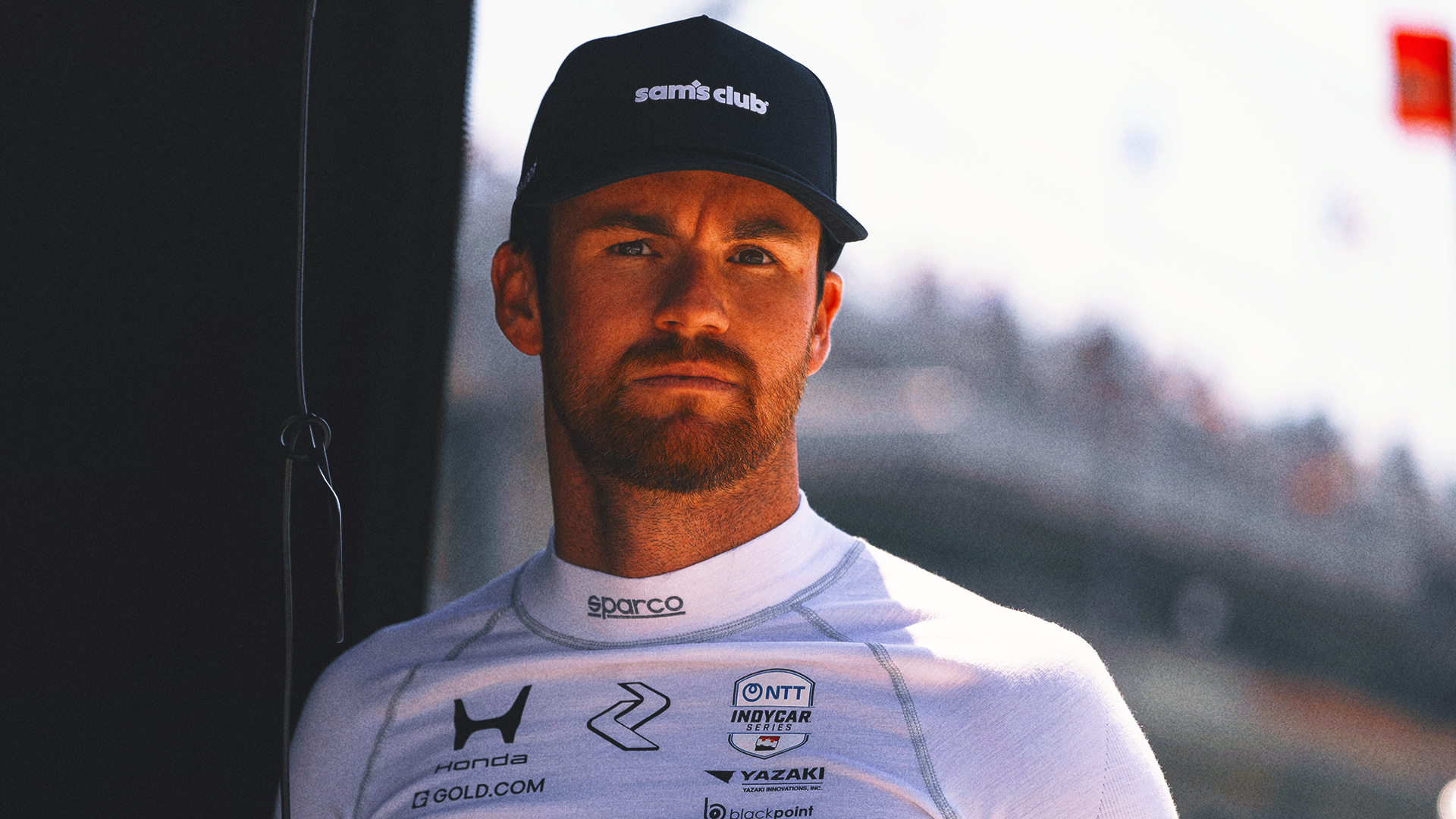
Kyle Kirkwood arrives at the Detroit Grand Prix with momentum and bookmakers are treating him like the man to beat, while Felix Rosenqvist’s Indy 500 triumph has shifted attention and money his way. This piece breaks down why Kirkwood tops the board, where Rosenqvist sits after Indianapolis, and what factors could tilt the race toward a surprise. Expect a concise look at form, track quirks, other contenders, and the betting angles that matter for race weekend.
“Kyle Kirkwood is favored to win the Detroit Grand Prix, but where does Felix Rosenqvist sit on the board after his Indy 500 win? Here are the odds.” The market is behaving like a mood ring, flashing confidence in Kirkwood while slowly warming to Rosenqvist following a massive oval victory, and bookmakers have tightened lines to reflect recent results and public money. Oddsmakers are balancing raw speed, qualifying performance, and how drivers translate momentum from the 500 into a tight, technical street circuit like Detroit.
Kirkwood’s rise to the favorite slot isn’t an accident; he’s shown a consistent blend of qualifying pace and racecraft that translates well to circuits with limited margin for error. His car control and ability to find clean laps in traffic are clear assets on Detroit’s unforgiving layout, and his team has put together setups that favor short runs and chaotic restarts. That makes him the benchmark for bettors who want a high-probability pick without taking the worst odds on the board.
Rosenqvist carries a different kind of appeal now that an Indy 500 win sits on his resume: proof he can perform under extreme pressure and execute a long, strategic race. Street circuits demand precision and adaptability more than top speed, so his Indy form could translate well if his team nails qualifying and tire management. Still, converting oval success into street-course dominance requires quick adaptation from both driver and engineers, and the market is right to treat his odds as improving but not invincible.
Beyond those two, the field contains a handful of drivers who could upset the pecking order, with some sitting at longer numbers that promise value if conditions swing their way. Look for veterans who excel at setup changeovers and rookies who have shown surprising one-lap pace in practice; Detroit often rewards the crew that gets the balance right on a cool morning and the driver who avoids the walls in the heat of battle. Weather, safety cars, and local track evolution will all play into whether a dark horse sneaks onto the podium or a favorite runs away with it.
From a betting standpoint, there are two clean angles to consider: backing the favorite at reasonable stake sizes for a safer return, or hunting value with drivers whose odds don’t reflect recent upward trends in pace or qualifying. Shifts in the market after practice sessions and final qualifying are telling, and live markets during the race will often overreact to early incidents, creating in-play opportunities for disciplined bettors. Managing bankroll and sizing bets to match confidence levels is more important than chasing paper odds that look attractive but ignore situational risk.
What to watch on race day is simple and specific: qualifying position, first-lap heat, and how teams handle restarts and tire degradation, because those three things decide more street races than raw top speed. If Kirkwood nails pole, he becomes exponentially harder to beat; if Rosenqvist converts his momentum into a strong qualifying slot, the race becomes a tactical chess match with passing opportunities limited. Expect the board to move as sessions close and remember that Detroit has a history of handing out surprises when the pressure’s on and the walls start talking.
