
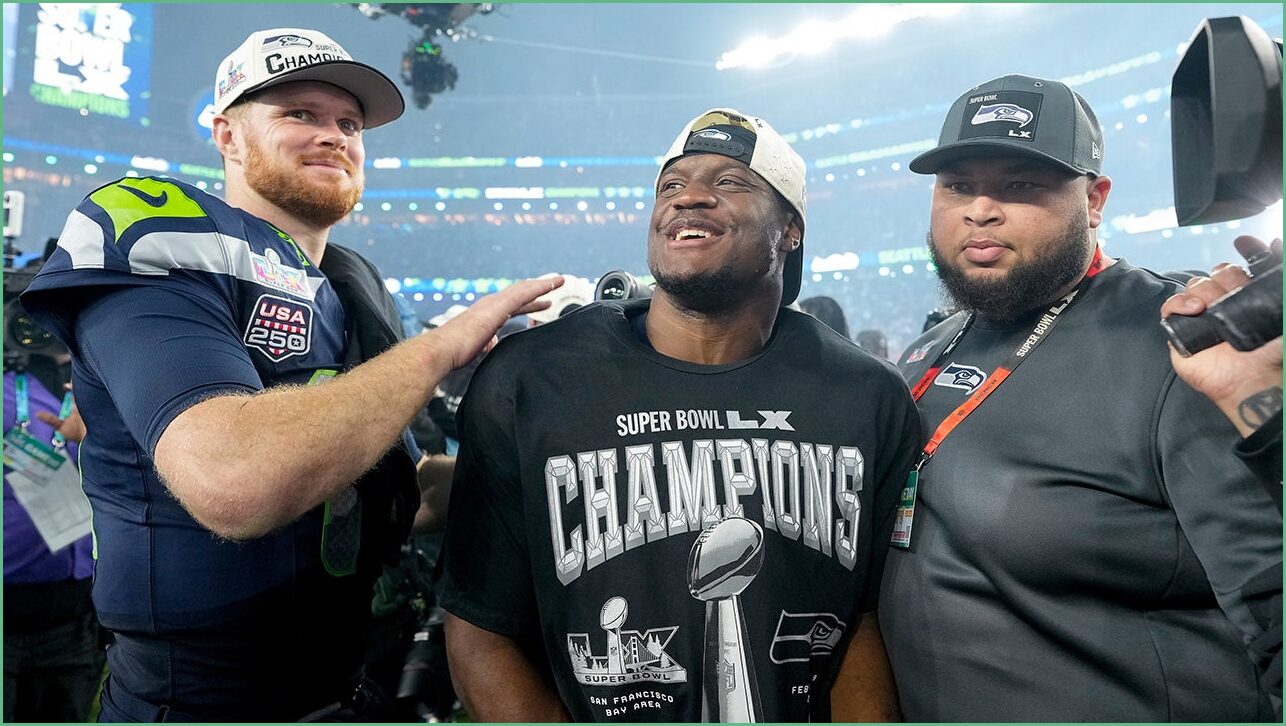
Kenneth Walker III carried the day for the Seattle Seahawks in Super Bowl LX, earning MVP honors after a hard-nosed 135 yards on 27 carries. This piece walks through how his performance shaped the game, the way the run game took control, and what it means for Walker and the franchise. The focus stays on the game and the player, celebrating a standout postseason moment.
From the opening drives, Walker set a clear tone with physical running between the tackles and decisive cuts that kept the defense guessing. He repeatedly delivered positive yardage, turning short gains into manageable situations and long chunks into momentum swings. That steady production forced opponents to respect the run and opened up options for the quarterback.
Walker’s workload was heavy but efficient, and his 27 carries showed both durability and trust from his coaches. Whenever the Seahawks needed a reset or to chew clock, they turned to him and he answered. That kind of reliability in a high-pressure game is what separates good players from game-changers.
The offensive line deserves credit for creating lanes and sustaining blocks long enough for Walker to exploit openings. Lively interior movement and consistent second-level blocking turned designed plays into backbreaking gains. In a game where details matter, those blocks and Walker’s vision combined for a decisive advantage.
Big moments came when they mattered most, with Walker converting tough third downs and grinding out late-game clocks. Those plays took pressure off the defense and put the game on the Seahawks’ terms. Momentum in championship games often hinges on a few runs like those, and Walker delivered when it counted.
Defenses adjusted as the game progressed, but Walker kept finding ways to move the chains, showing patience and explosive acceleration when lanes opened. His ability to sustain effort on long drives kept Seattle in control and limited the opposing offense’s chances. That control of tempo is a key reason he walked away with MVP recognition.
The MVP award cements this performance in franchise lore and gives Walker a chapter of his career fans will replay for years. For teammates, it’s validation that a committed, physical approach can win the biggest games. For fans, it’s a night to remember—one where the ground game ruled and a running back took center stage.
Outside the stat line, Walker’s presence shifted how the entire game was coached, play-called, and defended. Opponents had to account for him on every snap, which influenced coverage and pressure schemes all night. That ripple effect is a hallmark of a true game-defining performance.
Now the focus will turn to the offseason and how the Seahawks build around this success, but for one night the narrative was simple: a back who ran hard, protected the football, and delivered in the biggest moment. Walker’s Super Bowl showing will be a highlight of his career and a reference point for how physical football can decide championships.
