
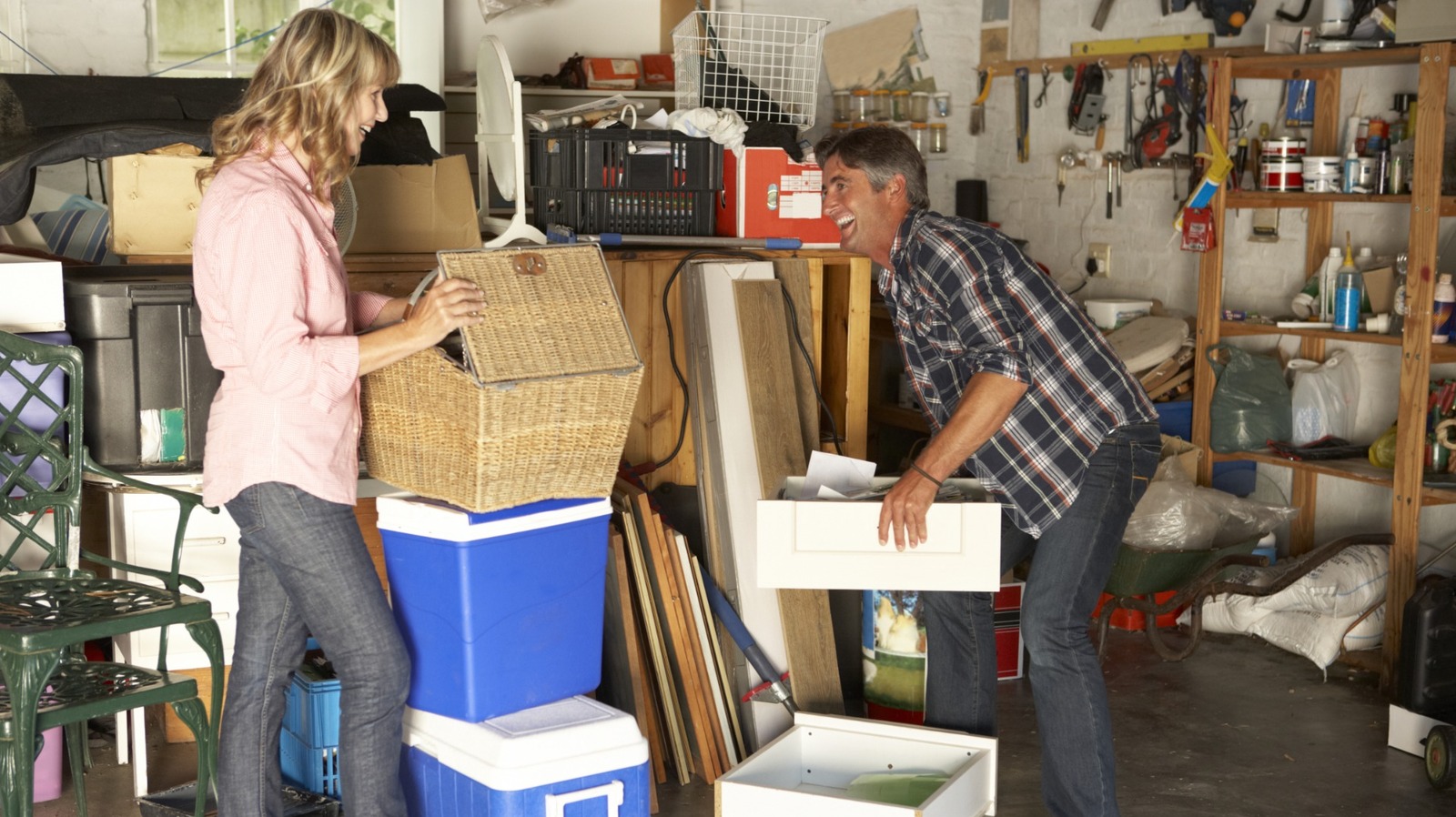
In this short guide I sketch a practical approach to cleaning out your garage and highlight the categories of things worth keeping rather than tossing. You will find clear reasons for holding on to certain tools, maintenance supplies, garden gear, electrical items, and storage solutions. The aim is to help you purge without losing the stuff that saves time, money, and headaches later on.
First, keep your core hand tools and a modest power tool selection because the right wrench or drill solves immediate problems without a service call. A compact set of screwdrivers, a reliable hammer, adjustable wrench, and a cordless drill with a couple of batteries covers most quick repairs. Quality matters more than quantity, so retire multiples of the same low-quality item and keep the best version of each tool.
Fasteners and small hardware deserve their own drawer because screws, nails, washers, and anchors are the glue of household fixes and they vanish when you need them. Sort them into labeled compartments and resist tossing partially used packs; a few dozen assorted screws saved now can prevent an expensive trip to the store. Also keep basic adhesives like epoxy, wood glue, and a tube of silicone caulk for tight fixes and small renovation tasks.
Electrical gear and cords are deceptively valuable in a garage purge because extension cords, spare chargers, and wire connectors reappear in emergencies and projects. Store cords coiled and hung to avoid damage and keep a few spare light bulbs for fixtures you actually own. A set of multi-purpose plug adapters and a couple of surge-protected power strips can extend the useful life of many devices without cluttering the house.
Lawn and garden equipment often takes up a lot of space but throwing out the wrong thing costs you time and money when the season turns. Keep sturdy tools like rakes, shovels, a push broom, a wheelbarrow if you use one, and the serviceable parts from mowers or trimmers that are still functional. Store fuel safely and label containers, trimming equipment during off-season to keep them ready for spring work rather than replacing them later at a premium.
Home maintenance supplies are worth preserving because one small leak or chip can become a costly repair if you lack the right materials. Keep a few cans of matching paint for touch ups, leftover tiles that match your floor or backsplash, basic plumbing fittings like extra hose clamps and a couple of common-size washers. A small stash of weatherstripping, a tube of sealant, and spare door hardware can eliminate the need to hunt down replacement parts when time is short.
Organizational gear pays for itself by protecting the things you decide to keep, so hang on to stackable plastic bins, sturdy shelving, and a toolbox that fits your go-to bits. Invest in clear bins with tight lids for seasonal items and label everything so you can find what you need without digging. Magnetic strips for tools, pegboard for the wall, and a few small drawer units for screws and fittings turn a messy garage into a functional workspace.
Safety and emergency items should stay firmly on the keep list because they are not replaceable at a moment’s notice. A charged fire extinguisher, a basic first aid kit, jumper cables, a working jack, and a set of reflectors or flares for roadside emergencies are simple to store and vital when things go sideways. Keep these in clearly marked places and check expiry dates or battery levels occasionally to make sure they actually work when needed.
Finally, be intentional about sentimental items and one-off parts by storing them in labeled boxes and avoiding the temptation to hoard anything without a clear purpose. If a part or component has a likely future use, keep it neatly and note what it belongs to so it does not become mysterious debris. With a few smart decisions you can clear space, keep the essentials, and make the garage genuinely useful without turning it into a storage museum.
