
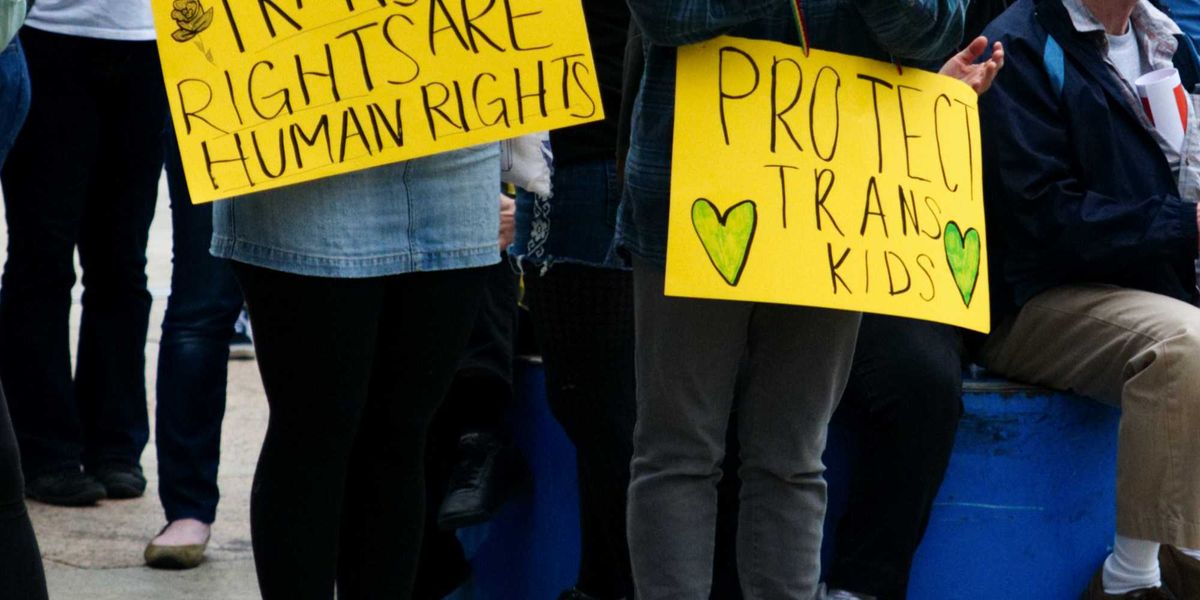
A protest over Kansas’ bathroom law turned into a spectacle built for attention, with activists pushing the issue into the most awkward public spaces they could find. The stunt brought transgender politics, privacy concerns, and school and public restroom rules back into the spotlight, all in a way designed to provoke a reaction.
The demonstration centered on opposition to a state law limiting bathroom access by sex, and the message was made loud and impossible to miss. Protesters showed up in a way meant to challenge the law directly, turning the dispute into a visual argument instead of a quiet policy debate.
The backlash was immediate because the issue taps into a raw nerve for a lot of people. For supporters of the law, the point is simple: women and girls deserve spaces where privacy and safety are not treated like optional extras. For critics, the law is framed as exclusionary and unfair to transgender-identifying people who say they are being singled out.
That clash is exactly why bathroom fights keep exploding into public view. These debates rarely stay about paperwork or legal language for long, because they quickly move into questions about who gets protected, who gets accommodated, and who gets forced to share intimate spaces with strangers.
Kansas is hardly the only state wrestling with this kind of divide. Across the country, similar laws and proposals have sparked protests, court fights, and school board battles, with each side convinced the other is ignoring common sense. The pace of these fights has only made the issue more heated, and every new flare-up seems to arrive with a fresh round of shouting.
The protest itself leaned into that tension by using bold imagery to make the point impossible to ignore. That kind of tactic can grab headlines fast, but it also hardens the divide, because people who already support the law usually see it as disrespectful theater rather than persuasive advocacy.
At the same time, supporters of the protest argue that dramatic action is the only way to break through political noise. They say conventional messaging gets buried, while a sharp visual protest forces the public to confront the human side of a legal fight that is often discussed in sterile terms.
What makes these disputes so combustible is that they are never only about one restroom or one building. They carry bigger questions about civil rights, public accommodation, parental concerns, and how far government should go when it sets rules around sex and identity. Once those questions hit the public square, compromise gets a lot harder to find.
The Kansas protest also shows how culture-war politics now runs on symbolism as much as policy. A law can sit on paper for months, but one unexpected stunt can push it back into the center of the conversation and make everyone pick a side all over again. That is why these fights keep coming back, sharper each time, and why neither side seems ready to back down anytime soon.
