
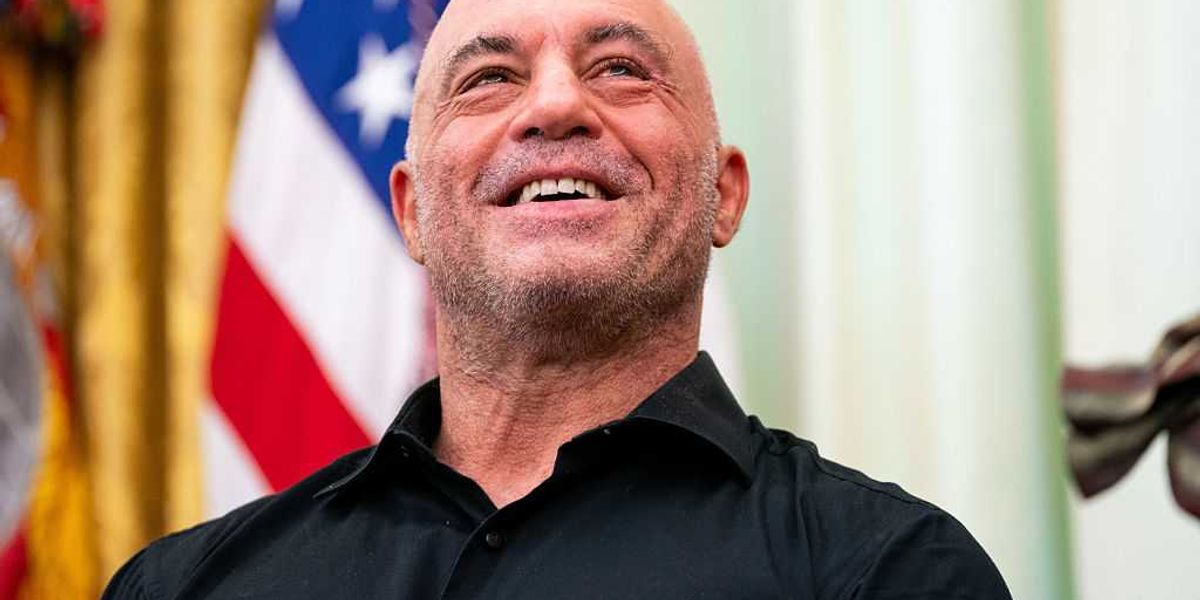
Joe Rogan’s latest political broadside landed with force, and it had plenty of company from the kind of cultural names that make the whole conversation feel bigger than one rant. The debate around the Democratic Party, the border, elections, and the party’s current direction keeps circling back to the same uncomfortable question: what happens when the message stops matching reality?
Rogan’s criticism cut straight into that tension, especially as frustration among voters keeps building. The Democratic Party has spent years selling itself as the voice of compassion and competence, but a lot of people now see a different picture, one shaped by chaos, weak answers, and a stubborn refusal to admit when something has gone off the rails.
That kind of criticism has become harder to shrug off because it is not coming only from predictable partisan corners. When public figures with huge audiences start blasting the same failures ordinary voters are talking about at the kitchen table, the whole political class gets dragged into the light. Suddenly the polished talking points sound thin, and the old spin starts to wobble.
The border crisis sits right at the center of that frustration. For many Americans, it is not an abstract policy dispute but a daily reminder that leaders in Washington either do not understand the scale of the problem or do not care enough to fix it. That is where the anger sharpens, because security, law, and order are not luxury issues, and voters know the difference.
Democrats have tried to frame the debate around empathy and process, but that argument keeps crashing into the reality people can see for themselves. When a party cannot give a clear, honest answer about who is entering the country, how many are coming in, and what it means for communities already under strain, trust starts to evaporate fast. The gap between slogans and results becomes impossible to ignore.
Donald Trump remains a constant shadow over that conversation because his blunt style turned border security into a defining political issue. Whether people loved or hated him, he forced the subject into the center of national life, and Democrats never really found a way to make it disappear. Every time the crisis deepens, his message starts sounding less like campaign noise and more like a warning people wish had been taken seriously sooner.
Kamala Harris has also become part of the same debate, since her role in the broader immigration mess has been a frequent target for critics. Her defenders keep pointing to process and diplomacy, but voters tend to notice the end result, and the end result has not inspired much confidence. The political cost of that mismatch keeps growing, especially when the country is already tired of excuses.
Bernie Sanders complicates things in a different way, since he has long been a symbol of the party’s populist wing while still operating inside the Democratic machine. That creates a strange split image for voters who hear fiery talk about the working class, then watch the party back policies that feel disconnected from everyday life. It is one thing to sound angry at elites, and another to actually challenge them.
Michael Douglas entering the conversation only adds to the strange mix of politics and celebrity that now shapes public opinion. Cultural figures can amplify a message, but they can also expose how disconnected elite conversation can feel from the people paying the bills and living with the consequences. The bigger the names get, the more obvious it becomes when they are echoing a mood already boiling below the surface.
What makes Rogan’s attacks so sticky is not just the volume, but the familiarity of the complaints. Voters have heard promises about restoring order, defending democracy, and protecting communities for years, yet they still see a party struggling to answer basic questions with clarity. That kind of disconnect does not fade on its own, and it keeps feeding the same blunt conclusion from more and more corners: the Democrats are not just losing arguments, they are losing credibility.
