
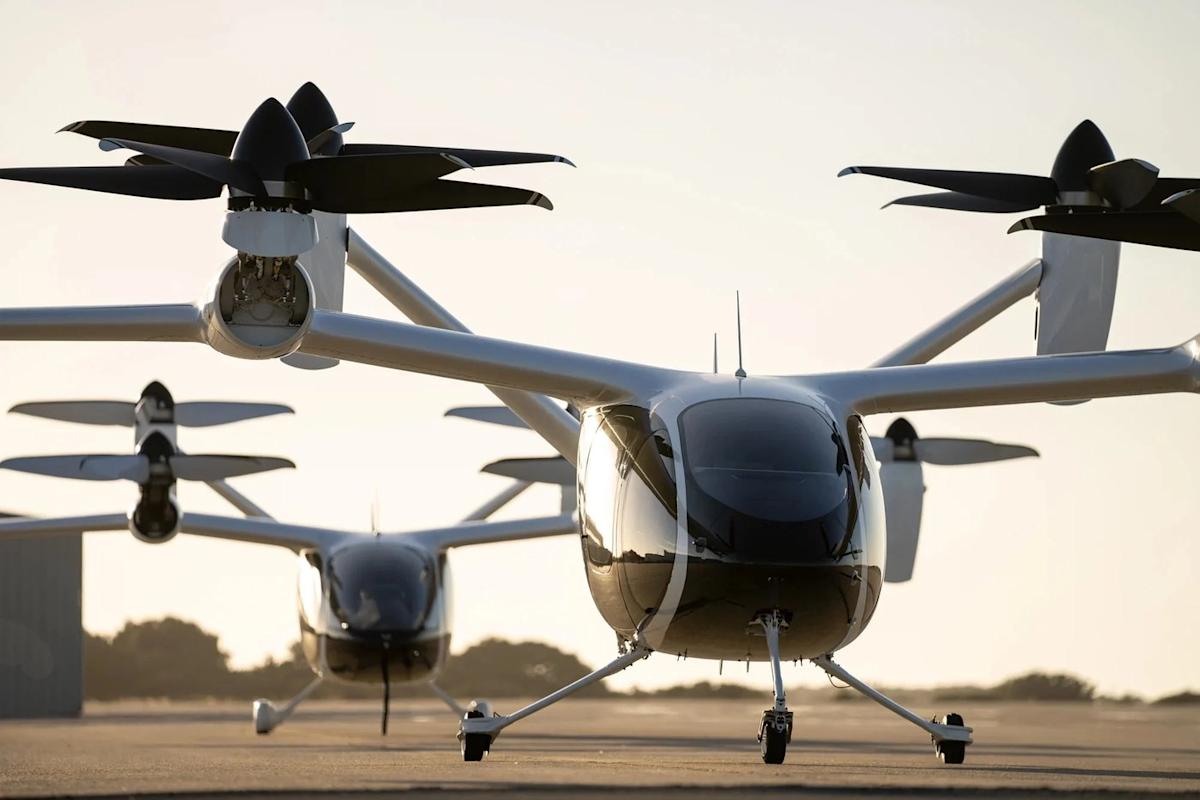
The eVTOL market is predicted to hit a staggering $9 trillion by 2050, and Joby Aviation is strategically positioned to dominate a significant portion of this emerging sector. Currently in the advanced stages of the Federal Aviation Administration (FAA) certification process, Joby has been actively testing its aircraft in Dubai and is gearing up for what could be a transformative year in 2026 with the start of commercial flights.
Joby Aviation, a leader in the electric vertical take-off and landing (eVTOL) industry, offers a promising investment opportunity. Unlike traditional vehicles, Joby’s aircraft are designed for short urban trips, eliminating the need for long runways and reducing noise and pollution thanks to their electric motors. This capability could revolutionize how we think about city commuting and air travel.
Investors are always on the lookout for the next big thing, and Joby might just be it. Time, as they say, is money, and technologies that save time have historically reshaped markets and yielded high returns for early backers. Joby’s innovative approach in the burgeoning eVTOL market could be the next to follow this trend.
However, Joby’s journey is not without its hurdles, primarily regulatory challenges. The company has made significant progress in the FAA certification process, completing about 70% of stage four, but it still needs to clear the final stage and obtain a production certificate before it can operate commercially.
Despite these challenges, Joby is making headway internationally. In Dubai, the company successfully conducted 21 piloted test flights under extreme temperatures, moving closer to launching commercial flights from Dubai International Airport by 2026. These developments underscore Joby’s commitment to becoming a global player in the eVTOL industry.
Back in the U.S., Joby is not sitting idle. A recent partnership with L3Harris Technologies aims to develop a hybrid craft for defense applications, with test flights planned for this fall. This strategic move could open up new avenues for growth and strengthen Joby’s market position.
All signs point to 2026 as a pivotal year for Joby Aviation. Transitioning from a pre-revenue stage to commercial operations could significantly enhance the company’s market valuation, especially if it secures FAA certification for U.S. flights. This could be the year Joby demonstrates its capacity to safely and efficiently operate at scale.
Despite these positive developments, it’s crucial to note that Joby is not yet generating revenue and faces financial pressures. With around $991 million in cash and a burn rate of about $500 million over the past year, the company might need additional funding soon to continue its operations.
Moreover, Joby’s current market valuation is quite high, with a price-to-sales ratio that reflects enormous expectations. While this could lead to high volatility, it also shows the market’s confidence in Joby’s disruptive potential. However, investors should be cautious and consider the inherent risks.
Joby Aviation stands out as a potentially disruptive force in the industrial sector, similar to the impact Uber had on personal transportation. With solid technological expertise and strong industry partnerships, Joby is well-equipped to redefine urban mobility.
For investors looking for aggressive growth opportunities, Joby presents an intriguing option. However, those who prefer a more conservative approach might want to explore other stocks or industrial ETFs. Before making any investment decisions, it’s important to weigh the potential risks and rewards.
