
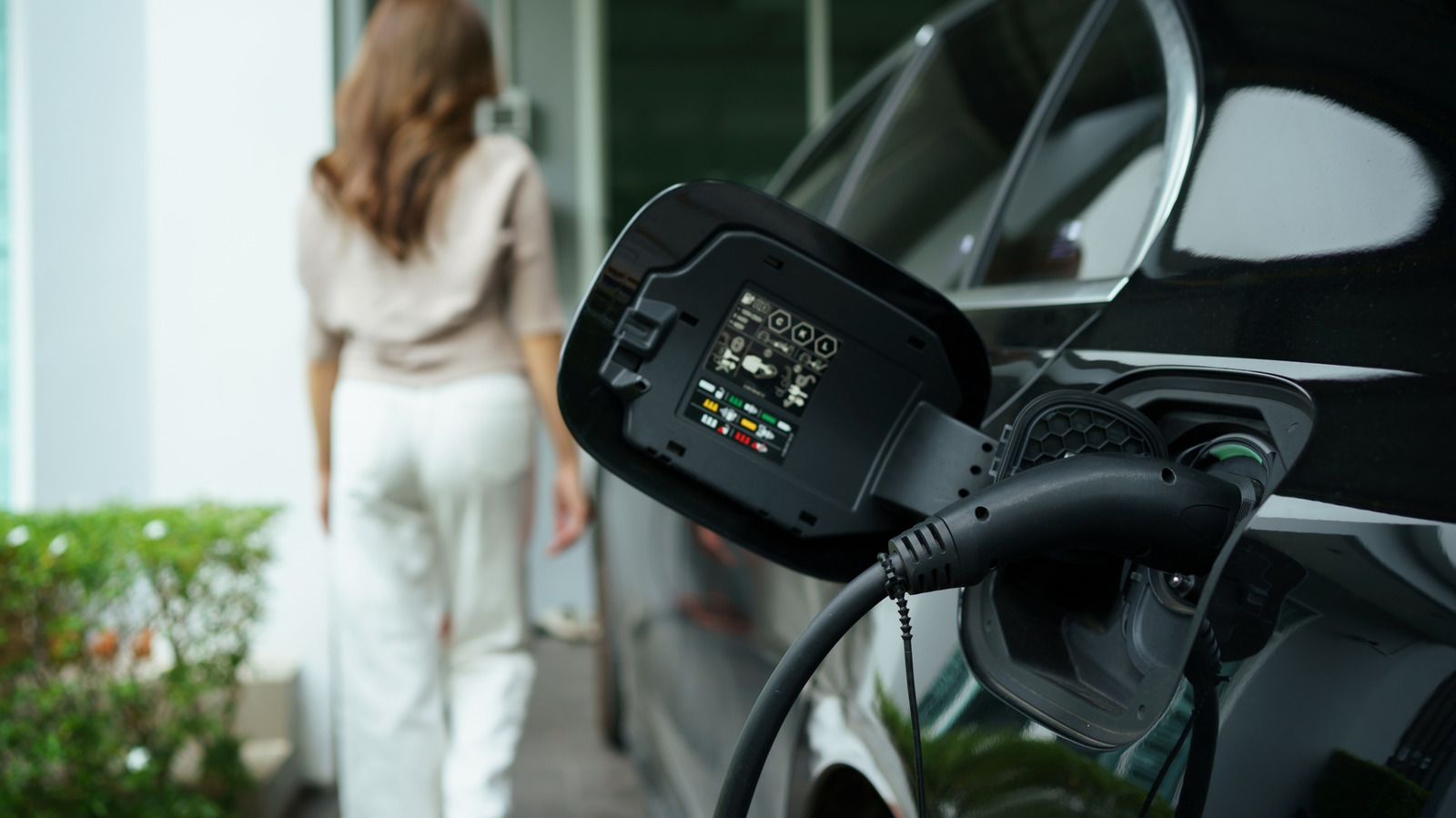
JD Power’s new findings show that rising electric vehicle charging bills are only part of the picture; everyday habits around when, where, and how drivers charge are quietly adding up and pushing costs higher than many expect.
Charging an EV at face value can look cheaper than filling a gas tank, but the details matter a lot. JD Power dug into everyday routines and found patterns that tilt the math against drivers who are not paying attention. Small choices like the time you plug in or the type of charger you favor create bigger bills over months and years.
One obvious behavior is charging during peak electricity periods when rates spike. Time-of-use pricing means a charger left on in the evening can cost much more than the same session overnight. Drivers who don’t adjust charging windows are effectively paying a premium for convenience without realizing it.
Frequent use of DC fast chargers may shave minutes off a trip but it often comes with a markup. These high-speed stations are convenient for road trips, but relying on them for daily top-ups is expensive. Over time the premium on fast charging can eclipse the savings people expect from owning an EV.
Another trap is the habit of “topping up” with short, frequent charges instead of filling more efficiently at home. Short bursts can be less energy-efficient and more expensive when done on public networks. If drivers don’t reserve fast charging for true emergencies, their per-kilowatt cost climbs sharply.
Leaving a car plugged in after it reaches a full state of charge can also add to costs, especially at public chargers that levy idle fees. Those fees are meant to keep chargers available, but they can be a surprise bill for drivers who leave a vehicle attached while running errands. Even at home, unnecessary plugged-in time can shift energy use into pricier windows.
Battery conditioning habits matter too in colder climates where preheating while plugged in is best, but not always practiced. Preconditioning the battery and cabin while on a charger is more efficient than doing it off-grid, but many drivers skip that step and pay in extra energy use later. Understanding when to use this feature saves both range and money.
Price transparency across networks is uneven and that hides cost differences from consumers. Some apps show station prices clearly, but many do not, and roaming arrangements can add surprise fees. Drivers who do not compare networks or check real-time prices are left paying whatever a station chooses to charge.
Simple route planning can knock down unexpected costs on long trips. Mapping charging stops that combine reasonable prices and needed top-ups keeps fast charging to a minimum. Without planning, drivers often accept the first available charger and end up paying for haste.
Subscription plans for charging networks can help regular commuters but they require commitment and usage to pay off. If a driver joins a network with a monthly fee yet rarely uses its stations, that fee becomes wasted money. Evaluating how often you actually use a network is essential before signing up.
Vehicle settings and charging equipment choices also influence the bill. Using a high-power home charger when a standard level 2 unit would suffice offers no extra benefit for many daily commutes and might raise installation and idle costs. Likewise, configuring charging to stop at 80 to 90 percent for daily use can extend battery life and improve long-term value.
Policymakers and operators have roles to play by improving pricing signals and expanding off-peak incentives, but drivers can act now. Shifting charging to overnight, limiting reliance on DC fast charging for daily needs, and choosing networks with clear pricing are low-effort changes. These small habit shifts add up into meaningful savings without changing how you drive.

1 Comment
Only the ‘true believers’ that think they are saving the planet Earth, have the time to put up with all the DRAWBACKS in attempting to run some EV, everyone else has to work for a living!