
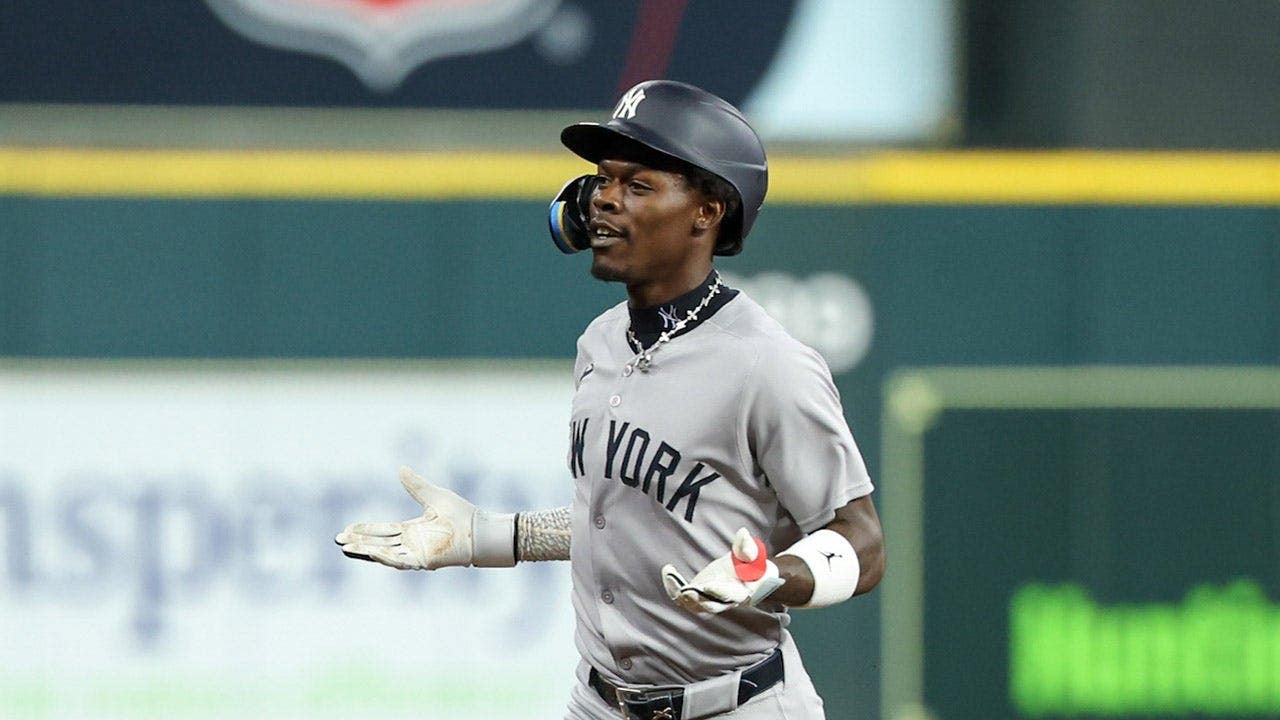
Jazz Chisholm Jr. took a laugh-first approach to another stumble on the ABS challenge, admitting he might owe himself a $1,000 fine after a fresh miss. The stumble highlights a broader slide in that specific test, where his success rate sits at just 17 percent this season. This piece looks at what that stat means, how he’s handling it, and what it might mean for his routines and reputation moving forward.
There’s something magnetic about an athlete who can joke about setbacks and still show up to work the next day. Jazz Chisholm Jr. did exactly that, using self-deprecating humor to diffuse a moment that could have been awkward. Instead of hiding the failure, he made it part of the story and kept fans engaged.
The 17 percent figure is the headline here because numbers don’t lie, and they demand attention. Whether that stat comes from a specific training drill, a viral social media test, or an in-season skill check, it’s low enough to force a rethink. Low percentages like that tend to produce honest conversations about technique, timing, and practice habits.
Accountability matters in sports, and Chisholm’s joking about a fine is a shorthand version of owning the problem. It’s a public commitment to improvement without the heavy-handedness that kills momentum. That mix of levity and responsibility keeps the locker room light while still signaling that something needs to change.
Beyond the headlines, the real work happens in the training room and batting cage or gym, wherever the ABS challenge is run. Coaches and trainers will watch film, adjust reps, and tweak drills to attack the weak spots that the stat exposed. The goal is small, repeatable improvements that stack up over time, not one dramatic fix that rarely sticks.
Fans react the way they always do: loudly and with strong opinions, but they’re also forgiving when a player stays real. Social media amplifies both criticism and support, turning a single failed attempt into a trending anecdote. Jazz’s ability to laugh at himself brings a human element that calms the noise and invites empathy rather than ridicule.
Teammates usually respond by helping, not hemming, and that’s useful when form needs repair. Peer coaching and simple morale boosts can speed recovery more than any solo grind. When a player leans on teammates for small tweaks and candid feedback, progress tends to come quicker and be more sustainable.
From a coaching standpoint the priority is measurable progress, not viral moments. Coaches will track adjustments and look for a steady uptick in the metrics that matter, aiming for consistent execution over flashy miracles. The work is boring, precise, and routine—exactly the kind of thing that turns a 17 percent on a trending challenge into better results across the board.
In the end, Jazz Chisholm Jr.’s quip about fining himself $1,000 after a failed ABS attempt is a lesson in perspective: you can own a flop, laugh at it, and still take it seriously. The stat is a prompt, not a verdict, and how he responds will tell the real story. For now the public sees a player who’s self-aware and motivated to turn a rough streak into a comeback without losing his sense of humor.
