
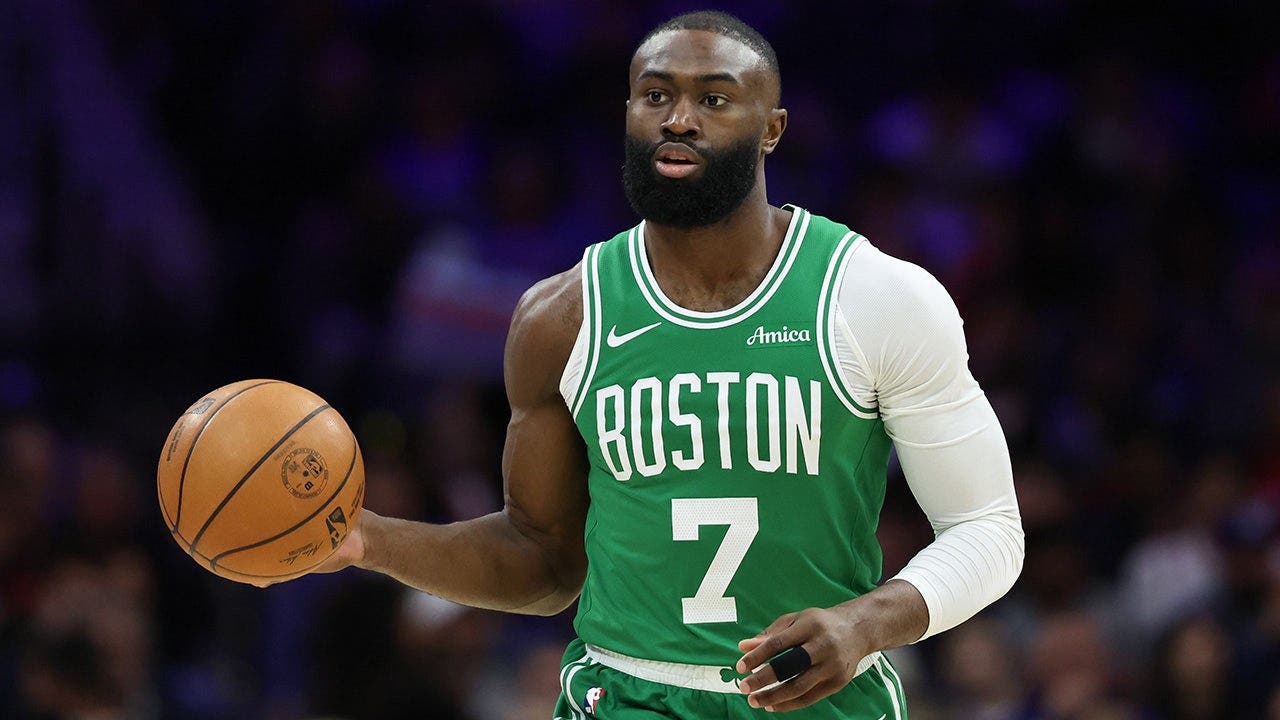
Jaylen Brown walked out of a seven‑game playoff war against the Philadelphia 76ers convinced officials tilted the tape against him, saying refs had an “agenda” to call fouls on him as Boston fell in the series. The accusation landed loud and fast, adding heat to an already bruising postseason that ended one game short of what Celtics fans wanted.
Brown was visibly frustrated after the final buzzer, pointing to a string of fouls that sidelined him at key moments. He framed those whistles not as mistakes but as part of a pattern, and that sharp observation dominated headlines and locker‑room chatter. Whether you agree with him or not, the claim shifted the conversation from Xs and Os to how games are policed.
Officials are in a tough spot every game, balancing consistency with the flow of play, and playoffs raise the stakes for every call. Players know the rules and know how to push contact without drawing flags on purpose, yet some nights the whistle seems to sing a different tune. Brown felt like he was the main character in that tune and he did not hesitate to say so.
From a tactical view, foul trouble is a real game changer. When a primary scorer is hampered by calls, it reshuffles rotations and limits bench usage, forcing coaches to scramble for alternatives. In a series that went the distance, every minute mattered and the timing of those fouls had ripple effects across the Celtics game plan.
Boston’s offense relied on Brown’s ability to attack and create, and any sign of him pulling up for free throws or leaving the court early altered how the team attempted to close out quarters. That kind of disruption shows up in shot selection and in the aggressiveness of teammates who suddenly need to fill an offensive void. If officials are calling things more tightly on one player, those adjustments become unavoidable.
Fans and analysts quickly parsed replays and debated angles, because modern coverage magnifies every frame. Social media lit up with takes on specific calls and slow motion clips that seemed to prove one side. Still, the speed of the game and human judgement mean that what looks obvious in a replay is not always crystal clear in real time for referees standing feet away from the pileup.
Brown’s style of play puts him in the center of contact: finishing at the rim, battling for space, and drawing attention from defenders. That physicality often earns him trips to the line and sometimes awkward collisions that get reviewed later. When a player is both aggressive and visible, officials’ responses to his body language and motion can swing perceptions of fairness.
The NBA has mechanisms to review officiating trends, and teams quietly log grievances during the season and postseason. Still, public accusations carry a different weight, forcing a league and its officials to answer questions loudly rather than in private. Those exchanges rarely change the outcome of a taped series, but they shape narratives heading into the offseason.
For Boston, the immediate task is straightforward: regroup, evaluate what worked, and get healthier where needed. For Brown, the charge was personal and vocal, which will keep the refereeing debate alive into next season. Either way, the Celtics leave with plenty to stew over and a sense that tiny margins, including the way fouls were called, played a role in a seven‑game playoff exit.
