
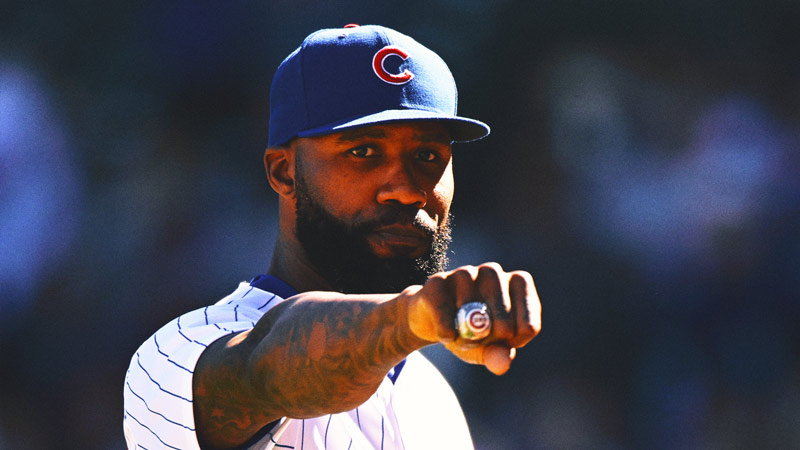
Jason Heyward, a five-time Gold Glover who became a household name with the Braves and the Cubs, has announced his retirement from Major League Baseball. This piece looks at why his career mattered, what he brought to every clubhouse he joined, and how his defensive brilliance reshaped expectations for outfield play. It also touches on his role beyond the field and what comes next for a player who carried respect wherever he played.
Heyward’s reputation was built on one thing above all: elite defense. Those five Gold Gloves were no accident; he combined instincts, range, and a dependable arm to take away extra bases and end innings. Opposing teams often had to rethink routes and baserunning when Heyward patrolled a corner of the outfield.
He broke in with big-league promise and turned that potential into a consistent identity as a defender first and a steady presence at the plate. Early scouts saw athleticism, and he translated that athleticism into plays that looked routine but changed the scoreboard. That kind of reliability is rare and it kept him in lineups for years.
The Cubs years gave Heyward a different kind of spotlight, where leadership mattered as much as catches in the gap. He offered veteran calm in tense moments and a clubhouse voice that younger players listened to. Being part of a team that ended a long championship drought gave his career a memorable chapter, one defined by contribution rather than just numbers.
Throughout his time in the majors, Heyward adapted to changing rosters and roles without losing what made him valuable. Whether managers asked for patience at the plate or laser-focused defense in the late innings, he showed up ready. That adaptability extended the shelf life of a player who might otherwise have been pigeonholed.
At the plate, Heyward wasn’t billed as a slugger, but he produced timely contact and situational hitting when it counted. He struck a balance between discipline and aggression that put pressure on pitchers in key moments. Those contributions often flew under the radar compared with highlight-reel catches, but veterans know how useful that mixture is over a long season.
Off the field, his presence mattered in ways box scores can’t track. Teammates credited him with steadying influence in the clubhouse and a work ethic that rubbed off on younger players. He also used his platform to engage with communities and youth baseball programs, showing an interest in the game’s next generation.
News of his retirement landed with respect rather than surprise, because Heyward had long been a textbook example of how to build a career through craft and character. Tributes from teammates and rival players echoed a common theme: he elevated everyone around him without fanfare. That kind of legacy is quieter than awards but no less real.
As he steps away from playing, the options ahead are both practical and appealing: coaching, front-office roles, broadcasting, or continued community work are all fits for someone who sees the game clearly. Whatever path he chooses, his track record suggests he’ll approach it with the same professionalism that marked his time on the field. Fans will remember the spectacular defensive plays first, but those who watched closely will remember how he shaped teams as much by steady leadership as by glove and bat.
