
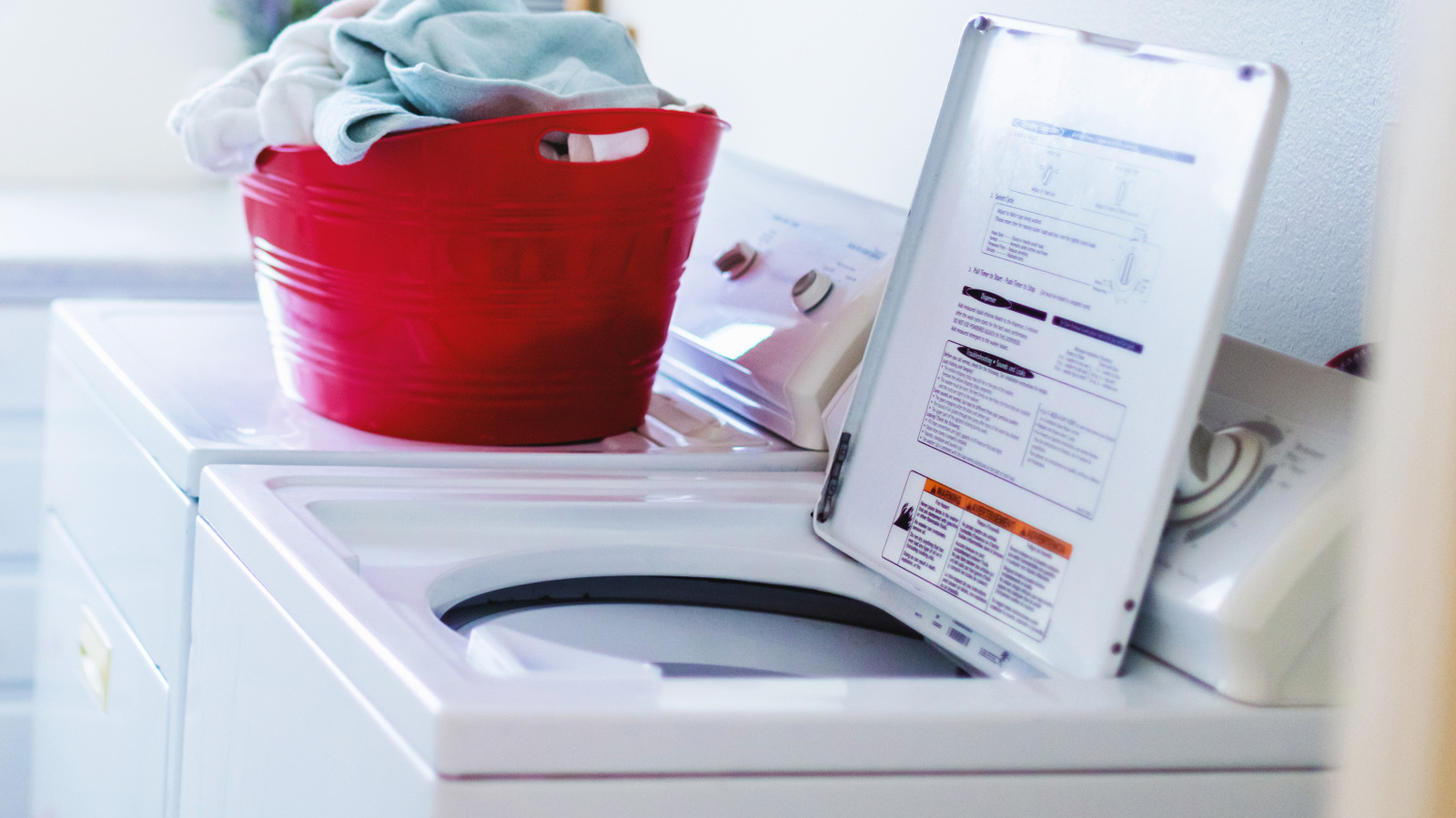
Top-load washing machines still have a lot going for them, especially for people who want a familiar setup and a quick path to clean clothes. But that convenience can come with tradeoffs that are easy to miss in the showroom. Water use, fabric handling, space limitations, and drying performance all matter more than many shoppers expect.
One of the biggest knocks against top-loaders is how much water they tend to burn through. Compared with front-loaders, many top-load models need noticeably more water per cycle, which can add up over time on both the utility bill and the environment.
The difference can be even starker depending on the design. Models with an agitator often sit near the higher end of water use, while some impeller-based versions still draw more than a front-loader. For households trying to keep consumption down, that gap can be hard to ignore.
Fabric wear is another issue that pushes some buyers away. The central agitator found in many top-load machines can be rough on clothing, especially with delicate items or loads that get twisted around in the drum. What starts as a routine wash can turn into stretched seams, extra pilling, and clothes that age faster than they should.
That same agitation can also make the wash cycle louder and less gentle overall. Clothes are repeatedly tugged around a fixed center post, which helps scrub stains but can also beat up the laundry in the process. For people with pricier wardrobe pieces or lots of everyday basics they want to keep in good shape, that matters.
There is also the simple problem of space. A top-load washer needs room above it, which means it does not play nicely with stacked laundry setups. In tighter homes, apartments, or closets, that top access can become a real headache.
Stacking a top-load washer is not just awkward, it is usually a bad idea. The machine is heavy, it moves around during operation, and putting another appliance on top can create safety concerns and damage risks. Even if the space seems to invite it, the design itself works against that kind of arrangement.
Then there is spin speed, which may not sound exciting until laundry day starts dragging. Older or lower-end top-load models often spin more slowly than front-loaders, leaving clothes wetter when the cycle ends. That extra moisture has to go somewhere, and usually the dryer gets stuck doing the heavy lifting.
When the dryer has to pick up the slack, the ripple effect is obvious. Drying takes longer, energy use rises, and the laundry routine stretches out more than it needs to. Over time, that added strain can also wear on the dryer itself, especially if it is constantly dealing with soggier loads.
None of this makes top-load washing machines a bad choice across the board. They still clean clothes, they are widely available, and they fit a lot of households just fine. But the drawbacks are real enough that shoppers who care about water savings, fabric care, compact setup options, and faster overall laundry performance may want to look twice before grabbing the first top-loader they see.
