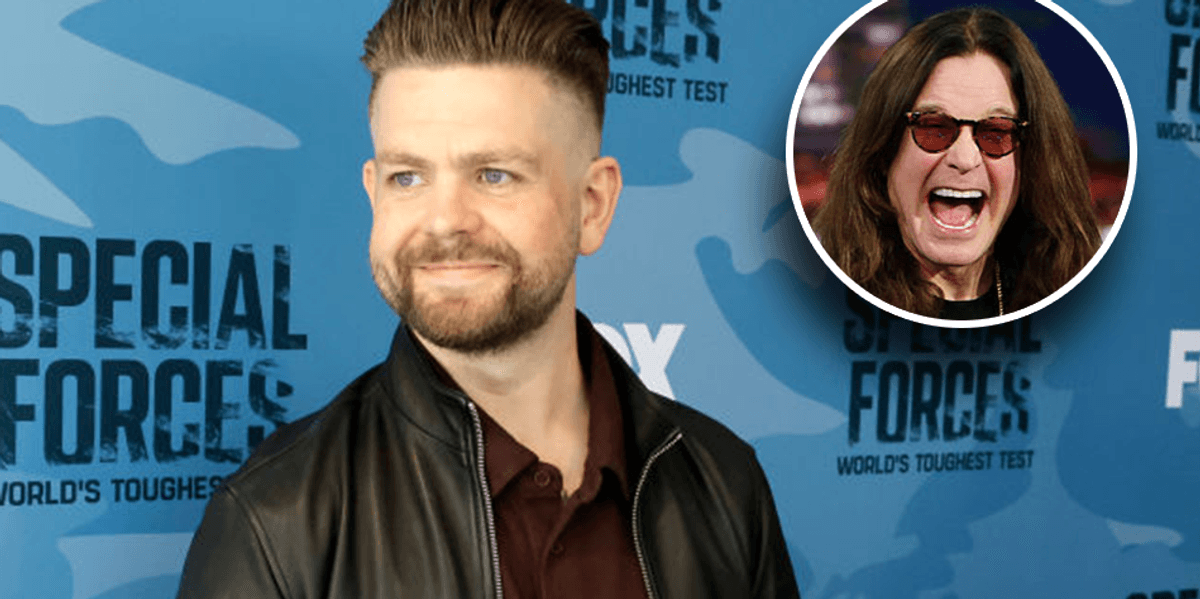
Jack Osbourne stood firm at the Capitol while honoring his late father and refused to be drawn into political debate, telling a persistent reporter that celebrities should stay in their lane. He bluntly told the press and anyone listening that entertainers should entertain, not campaign, and rejected the idea that fame automatically equals a platform for policy. The exchange echoed a wider mood among public figures who prefer to keep their careers separate from political fights.
Arriving in Washington with his mother to mark Ozzy Osbourne’s legacy, Jack was met by a reporter looking for a quick take on current events. The moment was tense but short; Jack didn’t flirt with punditry and made his stance clear before the microphone could warm up. He pushed back against the expectation that fame comes with an obligation to opine on public affairs.
“You know what, I think celebrities just need to keep their mouth shut,” he said without hesitation, cutting the conversation off before it could turn into a spectacle. The pull-quote landed like a command: ‘Then be a politician, don’t be an entertainer.’ That line summed up his argument in a way that left little room for debate.
When the conversation threatened to continue, Osbourne boiled celebrity responsibility down to a single, salty mantra. “Make entertainment, entertain the people, shut the f**k up.” The Aussie reporter pushed back, asking whether a celebrity shouldn’t use their reach to “change hearts and minds” on big issues.
Jack’s reply was short and practical: if you want to shape policy, run for office. “Be a politician, don’t be an entertainer.” That blunt distinction appealed to people tired of celebrities acting as de facto policymakers without election or accountability. It also echoed a sentiment that public influence should come with public responsibility, not just a celebrity megaphone.
Ozzy himself was no stranger to speaking out once in a while — he criticized the Iraq war and voiced opinions about his native country’s politics — but friends and fans remember that he mainly focused on music and performance. Even when the politics of a campaign intersected with his work, the family often treated those moments as business decisions rather than political endorsements. Jack’s stance reflects that same preference for craft over commentary.
There have been awkward intersections between music and politics in the past, including disputes over the use of famous songs at rallies and public messages offered in grief. After Ozzy’s passing, political figures reached out to the family with condolences and formal tributes, and one congresswoman even placed a biography into the Congressional Record. Spartz her “deepest sympathies” with the family last year, calling Ozzy a “true pioneer of heavy metal and an enduring symbol of the rebellious, freedom-loving spirit that resonates across our nation and throughout the world.”

https://x.com/TMZ/status/2055332660508045607?s=20
Jack said he and Sharon enjoyed a “beautiful day” in D.C., a private family moment bruised only by absence. “It made us miss [my father]. He would have loved it. He would have been truly honored to be a part of this today.” Those lines underscored that the trip was about memory and tribute, not a platform for political theater.
Osbourne’s reaction isn’t unique; a number of entertainers have drawn a line between their work and political advocacy, arguing that fame doesn’t convert into expertise. Some public figures have delivered the exact same blunt advice before: artists whose primary job is to perform often say they prefer to leave the policy debates to those who seek power through votes. That stance keeps the focus on the work that made them known in the first place.