
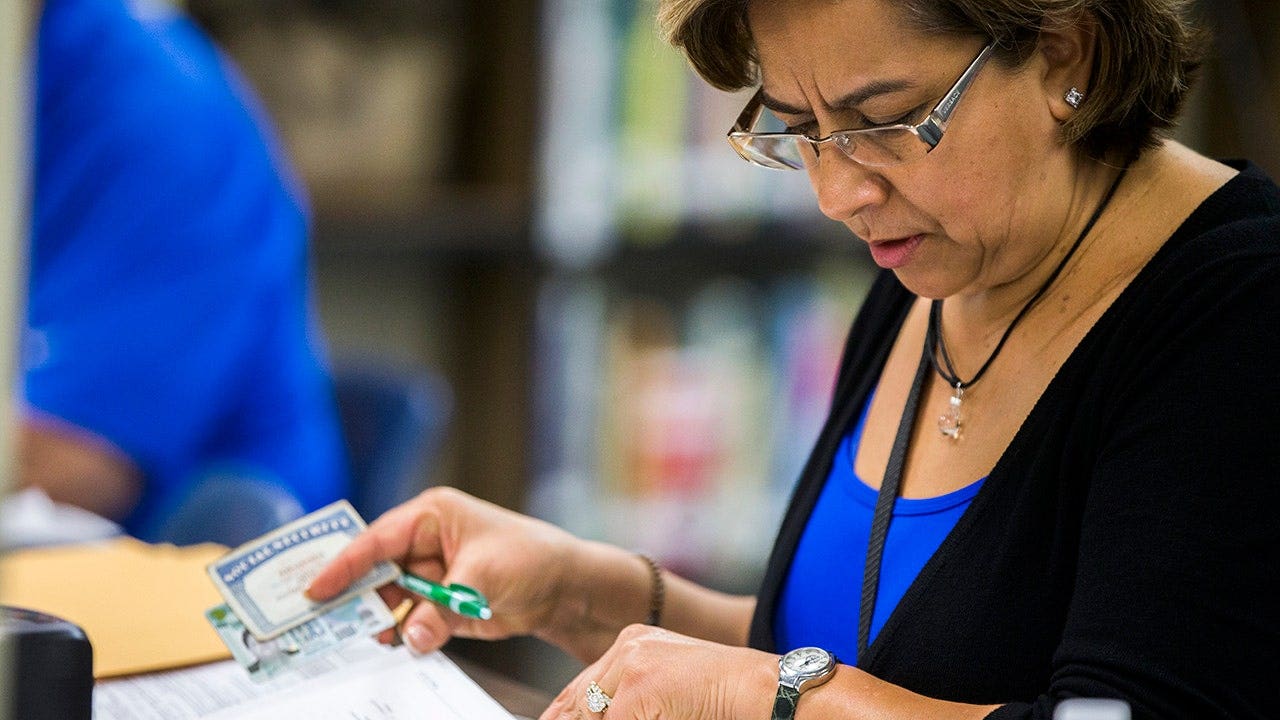
If a Social Security number turns up in the wrong hands, the danger is rarely loud at first. The real threat is quiet, fast, and built to spread through credit files, tax records, bank accounts, and everyday logins before a person even notices.
That is why the smartest response is simple: look for warning signs, lock down accounts, and move before the damage snowballs. A stolen SSN can fuel fake credit applications, bogus tax filings, benefit fraud, and identity theft that keeps coming back in new forms.
The first clue is often a breach notice from a company, school, insurer, bank, or health provider. Other red flags include strange credit inquiries, accounts that were never opened, collection calls tied to unfamiliar debts, or alerts about address changes and loans no one requested.
It is also worth paying attention to smaller signals that people brush off too quickly. A burst of scam texts using real personal details, government mail that does not fit recent activity, or a login alert from a service that has never been touched before can all point to deeper exposure.
Checking the dark web directly is not the move. Hidden marketplaces are risky, messy, and not designed for ordinary users, so it is far safer to rely on breach notices, credit reports, account alerts, and reputable exposure-monitoring tools that scan known data dumps.
Credit reports deserve a close look because identity theft often leaves tracks there first. Hard inquiries, new accounts, wrong addresses, and mystery collections can show up before the fraud grows into something far uglier, which is why a routine review can pay off big.
Financial accounts need the same kind of attention. Bank logins, credit cards, payment apps, retirement accounts, and buy-now-pay-later services should all be checked for unfamiliar transfers, password changes, new payees, or profile updates that were never authorized.
If there is reason to believe the SSN has been exposed, freezing credit is one of the strongest moves available. It blocks most new lenders from opening fresh credit lines in the person’s name, which takes a major weapon away from thieves who want to keep the fraud rolling.
A fraud alert can help too, even though it is not as strong as a freeze. It tells lenders to take extra steps to verify identity before approving new accounts, which adds friction at the exact moment criminals are hoping for speed and convenience.
Password security matters more than many people realize, especially when identity theft starts with account takeover instead of a brand-new loan. The most important accounts to secure first are email, banking, retirement, shopping, healthcare, and any service that can reset access to the rest.
Multifactor authentication should be turned on wherever possible, since a password alone is often not enough anymore. A strong password manager can also help by creating unique logins for each account, which keeps one breach from turning into a chain reaction across everything else.
Tax and government accounts deserve special caution because criminals love to exploit timing and confusion. Rejected tax filings, unexpected notices, strange benefit activity, or mail about services never requested should be treated as urgent, not as paperwork to deal with later.
Keeping records may feel tedious, but it can save a huge headache down the road. Save breach notices, dispute numbers, call logs, dates, screenshots, and any letters tied to suspicious activity so there is a clean trail if the fraud needs to be challenged.
Some people hope the answer is to erase the SSN from the dark web, but that is usually wishful thinking. Once data has been copied, traded, and reposted, it is rarely possible to pull it all back, so the real goal becomes reducing how useful the information is to criminals.
That means tightening security, limiting extra personal details that are easy to find publicly, and staying alert for anything unusual over time. Identity monitoring can help by spotting new breaches or suspicious activity, but it works best as a second layer after the basics are already in place.
There is also a long list of mistakes that make the problem worse. Waiting for obvious fraud, relying on a bank alone, using one password across accounts, or poking around risky sites in search of answers all give thieves more time and more room to work.
Protecting an exposed SSN is not about panic. It is about speed, discipline, and a few strong habits that make identity theft harder to pull off and easier to catch when it does slip through.
