
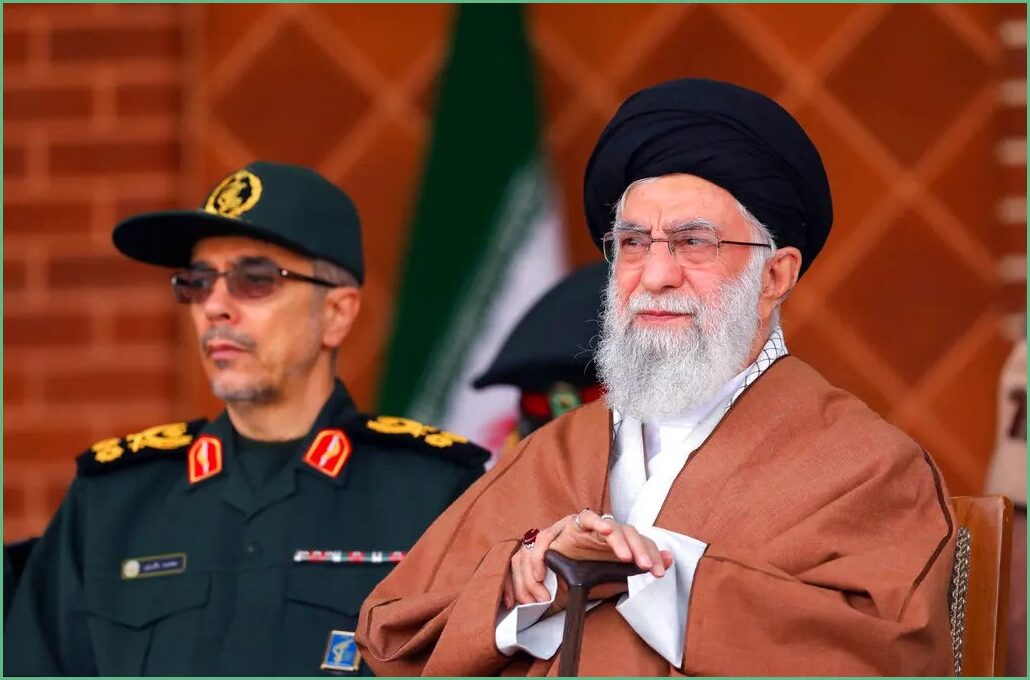
The country is in open crisis: nationwide demonstrations born of economic collapse and corruption have turned into a direct test of the Islamic Republic’s ability to survive, and the outcome now hinges more on Iran’s security forces than on crowd sizes. This piece looks at how theology, economic collapse, naval and air setbacks, and the loyalty of the Basij and IRGC shape the regime’s fate, and what a Republican-minded U.S. policy should do to pressure Tehran without provoking a wider war. Expect a clear-eyed view of the risks, the likely scenarios, and targeted steps the United States should pursue while supporting Iranian citizens seeking dignity.
Protests began as anger over daily hardship and graft, then escalated into broader rejection of clerical rule as security forces fired on crowds and cut internet access to hide violence. The state’s response has been brutal, with reports of hundreds killed and thousands detained, and a deliberate effort to erase evidence by shutting down communications. This is not routine unrest; it’s a confrontation over whether the system can keep ruling.
IRAN PROTESTS GROW DEADLIER AS REGIME INTERNET BLACKOUT FAILS TO STOP UPRISING describes how Tehran uses information control to survive, but those blackouts also expose the regime to international condemnation. Cutting connectivity is a sign of weakness, not strength, because it shows fear of testimony and images that undermine official narratives. The more the state hides, the clearer it becomes that repression is central to its survival strategy.
The regime’s legitimacy rests on velayat-e faqih, the idea that clerics are guardians of society, which makes dissent a theological problem for rulers who say they carry out Allah’s will. When protesters are targeted, authorities frame them not as citizens with grievances but as rebels and heretics, often labeled “corrupt on earth.” That moral framing legitimizes harsh crackdowns in the regime’s view and raises the stakes for anyone who opposes the clerical order.
PROTESTER SCALES IRANIAN EMBASSY IN LONDON, TEARS DOWN REGIME FLAG, HOISTS PRE-REVOLUTION SYMBOL captures a diaspora anger that mirrors unrest inside Iran and feeds international pressure. External gestures matter to Tehran because they puncture the aura of unity the regime projects. International outrage amplifies domestic courage, but it also gives clerics an excuse to tighten repression and accuse opponents of foreign collusion.
Two institutions matter most now: the Basij and the Islamic Revolutionary Guard Corps. The Basij is a grassroots surveillance and enforcement network embedded in neighborhoods, campuses, and workplaces, and its job is to snuff dissent before it spreads. If local Basij units stay loyal and active, the regime can contain protests; if they falter or defect, containment collapses.
The IRGC is a different animal, running missile forces, proxies, and large pieces of the economy. It has enriched itself through control of ports, construction, energy, and shadow finance, which ties its interest to regime survival even as economic collapse threatens IRGC assets. That creates a potential split between ideological loyalty and self-preservation inside the Guards.
WHO WOULD RULE IRAN IF THE ISLAMIC REPUBLIC FALLS? lays out three realistic paths: total repression where the clerical order survives by force, a soft coup replacing clerics with a military-nationalist leadership, or a fracture where security forces stop enforcing orders and the regime unravels. The most transformative scenario is fracture, though it is also the least likely; the most stable for the regime is ruthless crackdown backed by loyal enforcers.
External setbacks have worsened Tehran’s position. A war that saw Iranian commanders killed and air defenses penetrated damaged the myth of invulnerability and strained proxy networks from Hezbollah to Hamas. Those military blows, combined with sanctions and a collapsing currency, mean Iran cannot rely on foreign adventures to unite its population the way it once could.
A Republican approach is practical and restrained: do not try to run Iran or impose leaders, but refuse neutrality between a brutal theocracy and people demanding dignity. Priorities should be keeping Iranians connected and visible to the world, targeting sanctions at regime enforcers rather than the general population, warning of accountability for violent orders, and bolstering regional defenses to prevent Tehran from changing the subject with a foreign clash. Support must empower those inside Iran seeking a government that derives legitimacy from its people, not coercion, while avoiding loud proclamations that hand Tehran propaganda victories.
In the end, the decisive choices will come from inside Tehran, especially within the IRGC and Basij. If the Guards see their future tied to the people rather than clerical privilege, the balance shifts; if not, repression will hold—for now. U.S. policy should shape conditions smartly and morally, not attempt to force outcomes, so when Iran reaches a turning point the world is ready to help it move away from tyranny without becoming the architect of its destiny.
