
Checklist: Iranian negotiators were pushed out after stalled talks. Marco Rubio signaled a hard line from Washington. Trump raised the prospect of more strikes after the midterms. The Strait of Hormuz stayed at the center of the dispute. Nuclear limits and sanctions relief remained unresolved. The diplomatic channel was still alive, but barely.
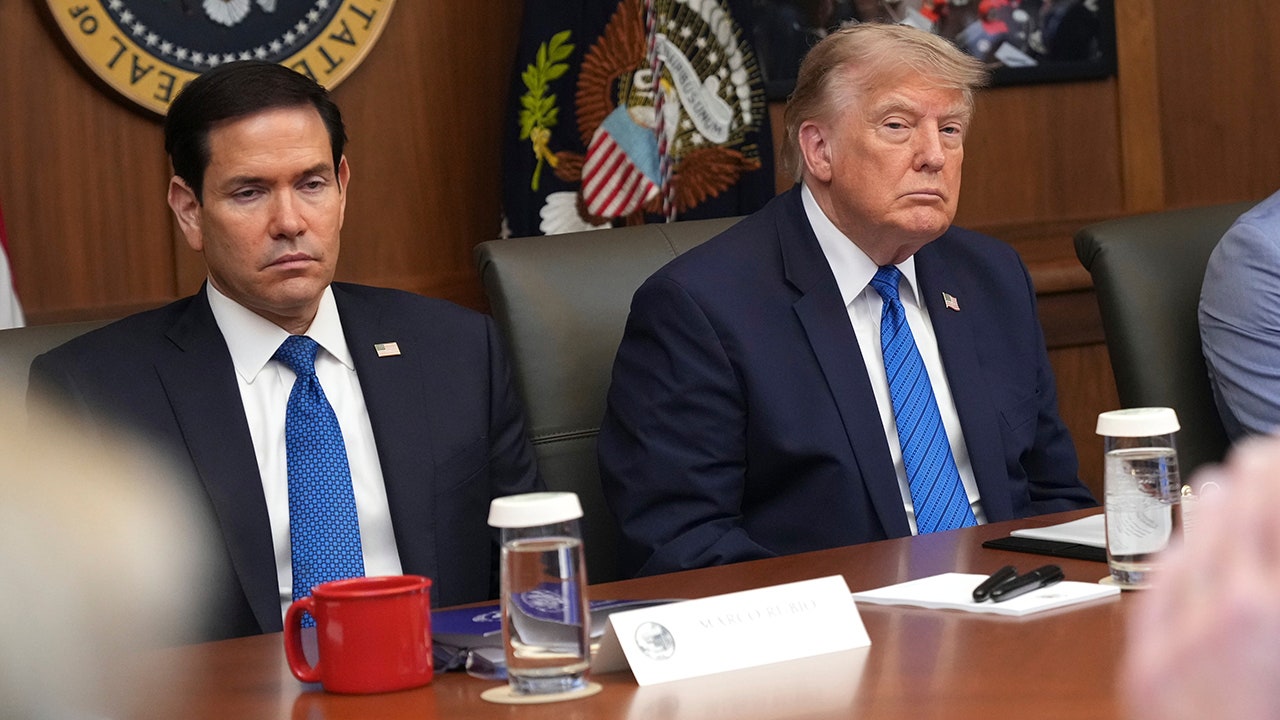
Washington’s patience with Tehran snapped tighter after another round of talks went nowhere. Secretary of State Marco Rubio moved to end the Iranian delegation’s stay in the U.S. after negotiations stalled again, a sharp sign that the White House was done waiting for movement. The message was plain: if Iran wanted a deal, it was running out of runway.
President Donald Trump added more heat by saying it was “possible” the U.S. could go harder on strikes in the Middle East after the November midterms. He also said the military had spent months rebuilding its arsenal, a comment meant to project strength and keep Tehran guessing. The tone from the administration was not subtle, and that was the point.
Trump’s comments came as the latest diplomatic push showed little life. Weekend discussions with Iranian officials and Qatari mediators failed to close the gap on how, or even whether, the fighting could wind down. Instead of a breakthrough, the talks produced another round of frustration and a clearer sense that both sides were still miles apart.
Rubio told Iranian Foreign Minister Abbas Araghchi and his team that they needed to leave New York after the high-level U.N. meetings were over. U.S. officials said the Iranians had “overstayed their welcome,” while Iran insisted the departure had already been planned and shared with the State Department earlier in the month. That clash over basics said plenty about how brittle the relationship had become.
The back-and-forth did not happen in a vacuum. Araghchi had stayed in New York for indirect contact aimed at easing the blockade on oil and shipping through the Strait of Hormuz and reopening a path toward nuclear talks. The whole effort depended on trust, and trust was in short supply.
Trump had already told the United Nations General Assembly that he would keep working to ensure Iran never gets nuclear weapons. That warning lined up with the harder posture coming from his team, which has treated Iranian brinkmanship as something to be met with pressure, not patience. Tehran may want room to maneuver, but Washington is making clear that room is shrinking fast.
The debate now circles around a seven-day confidence-building proposal tied to the Strait of Hormuz and the June framework that briefly paused the fighting. Qatar has been carrying messages between the two sides, trying to bridge the huge gaps over sequencing and concessions. Iran wants movement on reopening the strait, nuclear steps, and relief from economic pain, while the U.S. wants real commitments first.
That shipping lane is not some side issue. Before the war, around one-fifth of the world’s crude oil and liquefied natural gas moved through the waterway, which means any disruption can rattle energy markets in a hurry. When the stakes reach that level, even a small misstep can send shockwaves far beyond the region.
Araghchi and his delegation left early Tuesday, and the mood around the talks hardened with them. What remains is a tense standoff, a negotiating table that keeps getting pushed back, and a White House that seems ready to keep the pressure on until Tehran either changes course or feels the cost of standing still.
