
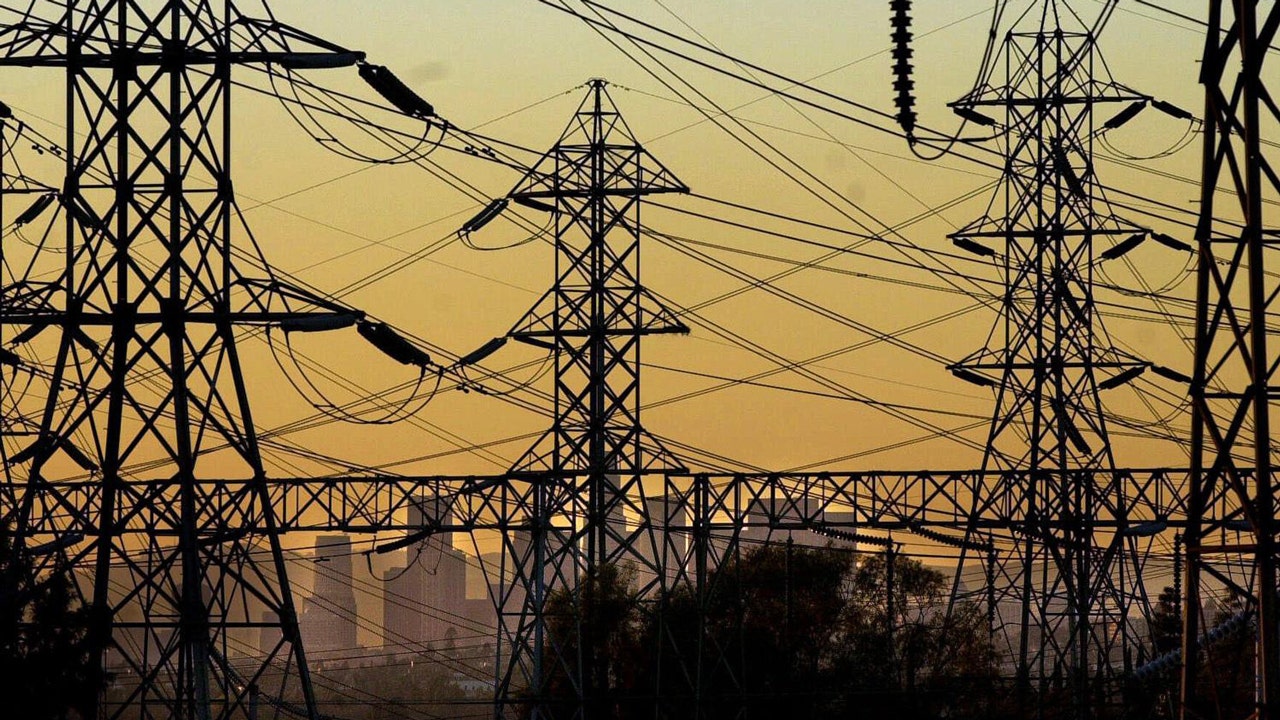
The latest wave of cyber chaos is putting small but crucial utility systems in the spotlight, where a few stolen credentials or an exposed controller can trigger real-world damage fast. British officials now believe hackers tied to Iran may have been behind a power-plant shutdown, and that case landed just after cyberattacks on dozens of Minnesota water systems raised fresh alarms across the U.S. and Europe. The pattern is blunt and unsettling: weakly protected infrastructure can become a pressure point for state-backed actors looking to make trouble without firing a shot.
In Britain, the shutdown was not treated like a random glitch. Security officials reportedly viewed it as the work of Iran-linked hackers, adding another layer of concern to a growing set of attacks aimed at civilian services. Even when the target is modest, the effect can ripple outward, because energy and water systems touch everyday life in ways people only notice when something stops working.
The Minnesota incidents showed how vulnerable municipal systems can be when remote access is left open or poorly defended. Attackers reportedly reached technology used to monitor pumps, pressure, and equipment alarms, which meant some communities had to fall back on manual procedures and backup methods. That is the ugly part of cyberwarfare in the utility world, since the goal is often not total destruction but confusion, disruption, and a quick reminder that public services are easier to hit than most people think.
Federal warnings have been saying this for a while. The FBI and the Environmental Protection Agency have both pointed to attacks on water and wastewater utilities across several states, noting that exposed programmable logic controllers and weak passwords are still giving hackers an easy opening. Once inside, they can interfere with operations, lock out legitimate users, and in some cases cause flooding or pressure losses that force operators to scramble.
Iran is not new to this game either. U.S. agencies have repeatedly linked Iranian-affiliated groups to campaigns targeting industrial devices in water, energy, government, and even food and healthcare systems. Some of those operations have caused financial losses and operational headaches, which is exactly the kind of low-cost, high-annoyance pressure that makes these campaigns so persistent.
The Justice Department also recently charged members of an Iran-based company in a sweeping cyber theft case aimed at universities, businesses, and government agencies. Prosecutors said the operation was tied to the IRGC and other Iranian entities, and the haul reportedly included more than 31 terabytes of stolen academic data and intellectual property. That scale tells its own story, because the effort is not limited to nuisance attacks on infrastructure, but part of a wider push to steal, probe, and weaken targets wherever they are soft.
Back in 2016, an Iranian hacker was charged after gaining access to the control system for a dam in Rye, New York. The scheme did not lead to a catastrophic outcome because the sluice gate was disconnected for maintenance, but the case was an early warning that physical systems tied to the internet can be exposed in ways that feel almost absurd until someone exploits them.
More recently, U.S. agencies tied the CyberAv3ngers campaign to compromises of industrial controllers at dozens of American facilities, including water systems, energy companies, food manufacturers, and healthcare organizations. The common thread was painfully simple: devices were visible on the public internet and still using default passwords, which is about as close to an open door as cybercriminals ever get.
That is why the British shutdown and the Minnesota attacks matter beyond the headlines. They show how a small target can still create a big headache, especially when the system controls something people depend on every day. The next hit may not need a giant power grid or a dramatic blackout to get attention, because even a localized outage can send operators rushing to recover while everyone else starts wondering what else is exposed.

1 Comment
OK call out MI6 & 007 needed now.,
Join US UK