
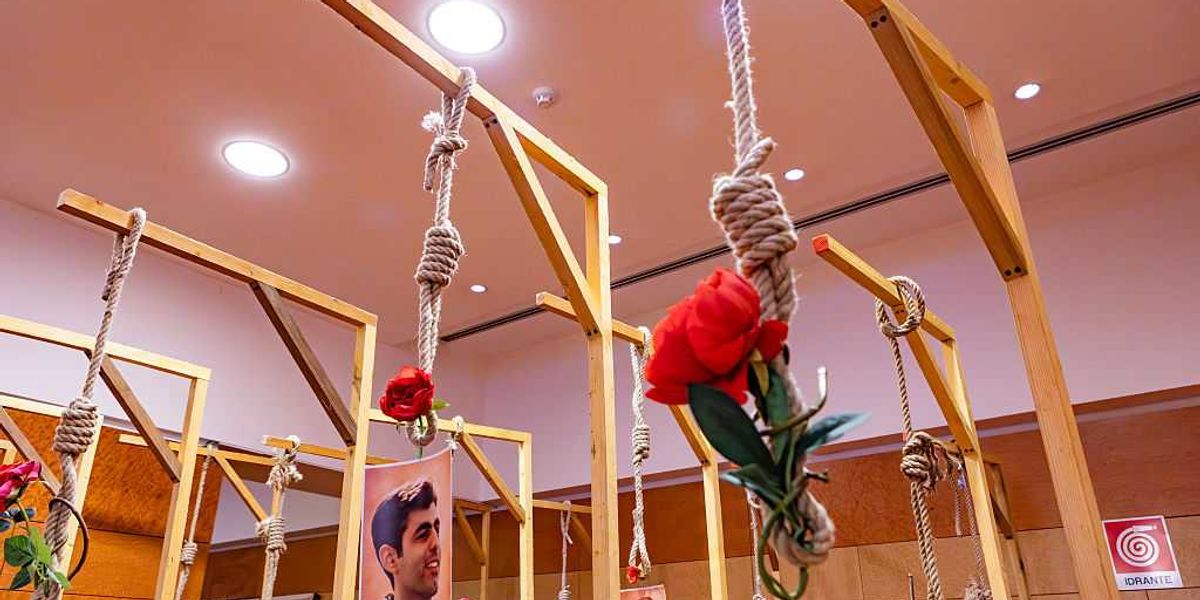
One family tragedy can turn into a lifetime of bitterness, but it can also become a warning flare. In this case, the pain points straight at the Iranian regime, while also drawing a sharp line between political brutality and an entire faith community. The message is simple and strong: hatred does not have to be the end result of suffering.
After losing a brother to violence tied to Iran’s rulers, the emotional pull toward revenge would be easy to understand. That is exactly what makes the response stand out. Instead of turning anger toward Muslims, the argument stays focused on the system of power that caused the harm in the first place.
That distinction matters, especially in a world where fear spreads fast and nuance gets crushed. It is one thing to condemn a regime that uses religion as a weapon of control. It is another to blame ordinary believers who have nothing to do with that oppression.
The central point is not soft or sentimental. It is a direct refusal to let extremists define an entire people by the crimes of a ruling class. When violence is answered with blanket hatred, the radicals win twice: once through terror, and again through division.
Iran’s leadership has long benefited from turning ideology into a cage. The state presents itself as righteous while crushing dissent, suppressing women, and intimidating anyone who refuses to bow. That kind of regime wants the world to confuse its behavior with the beliefs of every Muslim, and that confusion serves its propaganda.
There is also a broader warning here for the West. Fear of extremism can slide into suspicion of neighbors, coworkers, and families who had nothing to do with it. Once that happens, public debate gets uglier, communities get colder, and real threats become harder to identify clearly.
Christian conviction plays an important role in the message too. The response to loss is shaped by forgiveness, not weakness, and by moral clarity rather than cheap rage. That does not excuse cruelty or demand silence about evil, but it does challenge the instinct to answer darkness with more darkness.
This is where the story gets especially relevant for America and Europe. Those places are already strained by arguments over immigration, identity, and security, and it is easy for those debates to spill into prejudice. But if every Muslim is treated as a suspect, then the conversation has already gone off the rails.
Real courage shows up in the ability to separate people from politics, and faith from tyranny. The Iranian regime deserves condemnation for what it has done, but that condemnation loses force when it mutates into broad attacks on Muslims as a whole. Precision matters, because sloppy anger always lands on the wrong people.
The deeper lesson is brutally practical. If a person can lose a brother to a violent system and still refuse to hate an entire religion, then others can at least do the harder work of thinking clearly. That kind of moral discipline is rare, and in a noisy age, it cuts through like a blade.
