
America’s economy is dangerously entangled with Communist China, and the risk is not theoretical. This piece explains why that reliance is a national security problem, why investors need clear disclosure, and why corporate behavior must change before an economic shock becomes a strategic collapse.
U.S. businesses and policymakers have allowed critical manufacturing and supply chains to drift into the hands of a geopolitical rival. What was once framed as efficient sourcing has become strategic vulnerability, leaving our defense, healthcare and technology sectors exposed to coercion or disruption. That exposure isn’t some abstract risk model; it is a present reality with immediate consequences.
A practical first move is transparency. A petition to the Securities and Exchange Commission proposes that public companies disclose the material risks tied to heavy supply chain dependence on China. Investors deserve clear, honest reporting about how much corporate America relies on a regime committed to displacing the United States, not spin that understates the danger.
Corporate outsourcing to China has transferred not just factories, but know-how, machinery and market dominance. That shift helped build industries in China that now make key components and raw materials indispensable to modern life. When profit-seeking decisions also strengthen a strategic competitor, we stop being naive and start demanding accountability.
SEN TODD YOUNG: THE HIDDEN DANGER CHINA’S SHIPS COULD BRING TO OUR SHORES
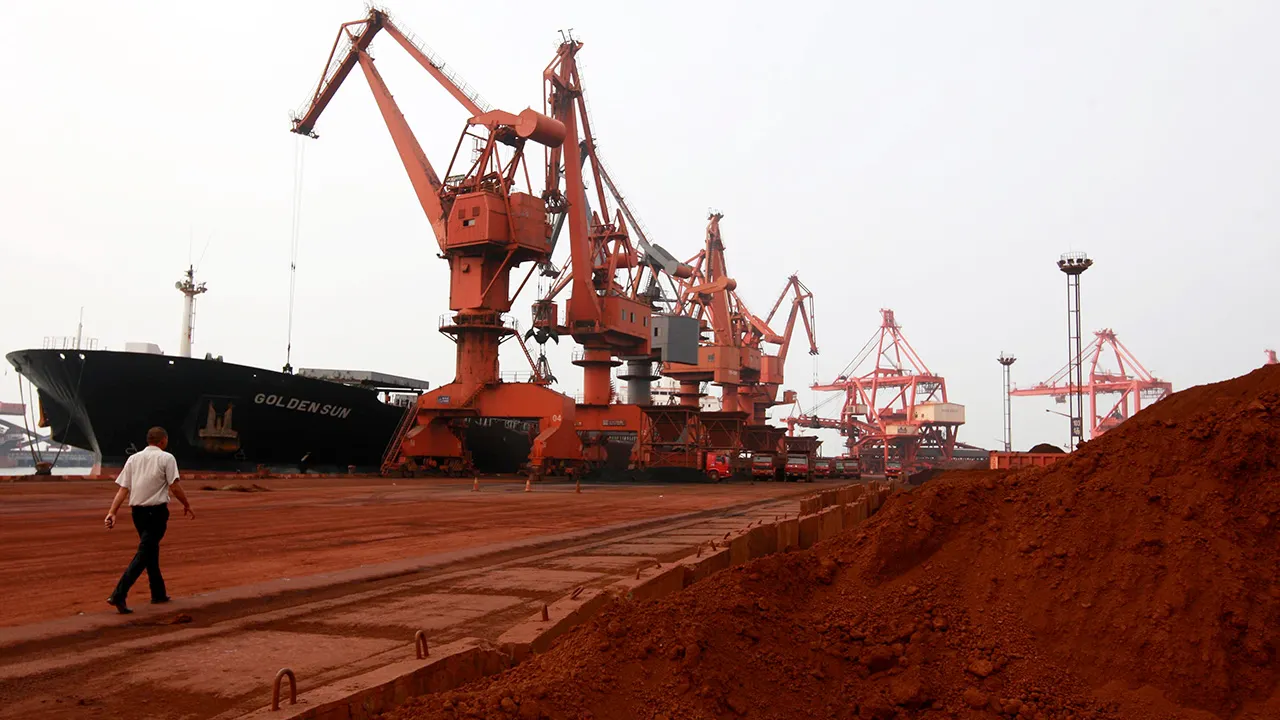
China controls commanding shares of crucial materials and processing capacity, especially rare earth elements. It mines and processes the lion’s share of these inputs, and that concentration translates directly into leverage over American industries. From F-35 jets to semiconductors, vital systems depend on minerals and parts sourced from or routed through China.
Pharmaceutical supply chains are no safer. China supplies a large portion of active pharmaceutical ingredients and precursor chemicals, with India acting as an intermediary that itself depends on Chinese inputs. In a sudden cutoff, American hospitals, pharmacies and military medical units would face immediate shortages that are more than just inconvenient—they could be deadly.
STEVE MOORE: POLITICIANS ARE BLAMING THE WRONG VILLAIN FOR AMERICA’S RISING FOOD PRICES
The pattern is clear: U.S. firms chased low costs and left strategic capacity overseas, while Beijing pursued dominance. Whether the disruption comes from trade coercion, embargoes or military moves, the result is the same—our resilience weakens while theirs strengthens. That is not market failure alone; it is a strategic shift with real-world consequences.
“Fighting without fighting” is Beijing’s playbook. By cultivating dependencies, China gains options to influence outcomes without firing a shot. Those options include export controls, production bottlenecks and other levers that can be tightened when it suits Beijing’s interests.
Investors and regulators should factor national security into routine financial oversight. The SEC can require companies to disclose their China exposure in a way that lets shareholders judge risk properly. Transparency does not pick winners or losers; it simply informs decisions so markets can price risk accurately.
Corporate leaders owe shareholders more than rosy presentations. They owe an honest account of where critical inputs come from and what contingency plans exist if those inputs suddenly vanish. Shareholders and citizens should be able to see the true trade-off between short-term profits and long-term national security.
Policy responses should go beyond disclosure. We need industrial policy that rebuilds capacity for essential goods at home and among trusted allies. That means incentivizing domestic production of critical minerals, pharmaceuticals and advanced components, and it means cutting red tape where viable alternatives exist.
This is not a call for protectionism for its own sake; it is a call for strategic clarity. National defense and economic resilience are inseparable, and no honest assessment of corporate risk can ignore the geopolitical context in which companies operate. Allowing dependencies to persist is a choice with real consequences.
The time to act is now, not after a crisis forces painful, rushed decisions. Require disclosure, rebuild capacity, and refuse to accept that our security will be underwritten by the goodwill of a rival. Investors, regulators and policymakers must stop tolerating willful blindness and start treating supply chain risk as what it is: a matter of national survival.
