
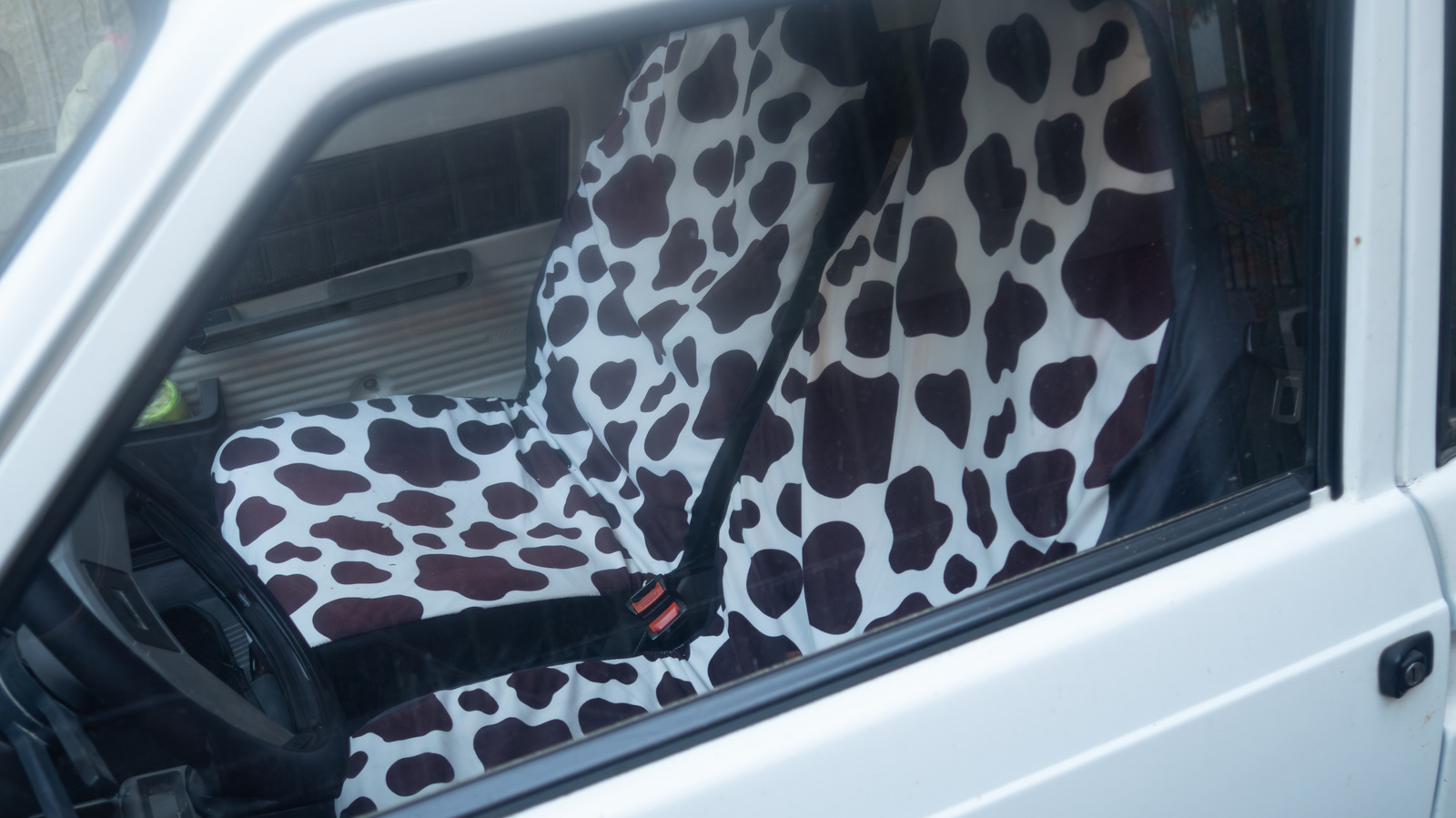
Think seat covers are just about style? This short guide explains how covers can affect airbags, sensors, belts and heating systems, and what to check before you snap one on. Read on for practical, safety-first tips that keep your cabin looking good without compromising protection.
Seat covers can change how your car behaves in a crash, and not in a good way if you pick the wrong kind. Some covers sit over side airbags or stitching lines and can prevent airbags from deploying cleanly. Vehicle manufacturers design seats and airbag paths together, so any aftermarket addition needs to respect that engineering.
Modern seats often hide sensors for occupancy detection and seatbelt reminders under the upholstery. Thick foam pads or heavy materials can fool those sensors, turning off passenger airbags or throwing warning lights. Check your owner manual for notes about seat-cover compatibility, because it will usually tell you whether aftermarket covers are permitted.
Heated and ventilated seats bring extra risk if a cover isn’t built for them. Covers that insulate too much can trap heat or block ventilation, causing discomfort or stress on heating elements. Always choose covers labeled safe for heated or cooled seats and avoid loose layers that could overwork electrical components.
Straps and anchors matter more than you think when it comes to seat covers. Proper fastening keeps covers from shifting during a crash, which could expose sharp edges or interfere with belt buckles. Avoid covers that tuck only loosely or rely on inexpensive elastic; a secure fit reduces the chance of snagging a belt or snagging a sensor.
Material choice is both a comfort and safety decision. Breathable fabrics and thin, high-strength synthetics usually play nicer with vehicle systems than bulky, padded replacements. Flame resistance is another factor; while most automotive interiors meet standards, aftermarket textiles may not, so look for materials that meet or exceed safety norms.
Side-impact airbags built into seats are a common pitfall. Covers that fully wrap a seat or hide seams risk delaying or redirecting airbag deployment. If a cover doesn’t explicitly state that it is airbag-compatible, assume it might cause trouble and consider alternatives that leave seams and panels unobstructed.
Installation and testing are simple but important steps before you make the cover permanent. Fit a cover and then sit in every seat, buckle and unbuckle, and watch for warning lights or odd stiffness in the belt mechanism. If anything feels off, remove the cover and consult your vehicle manual or a trusted installer.
Maintenance is part of the safety story too; dirty or worn covers can conceal damage to the underlying foam, sensors, or belts. Inspect liners and the seat base periodically, and replace covers that show heavy wear, ripped seams, or compressed padding. Keeping seats clean and intact helps preserve the original safety functions.
If you want style and protection, pick covers designed with safety in mind and verified for your vehicle type. Look for clear compatibility statements, test them after installation, and keep manufacturer recommendations close at hand. A little attention up front keeps your ride looking sharp and your safety systems ready when you need them.
