
Catholics in India continue to face the discriminatory effects of newly enacted ‘anti-conversion laws.’ This piece looks at how those laws are being used, the immediate human cost, the failure of local authorities to protect worship, and why religious freedom matters for everyone.
Across several states, people who quietly practice their faith are finding themselves targeted under broad laws that claim to prevent forced conversions. Instead of protecting choice, these measures are being applied in ways that chill public worship and criminalize ordinary pastoral work. When a Mass becomes a legal risk, the state moves from protector to prosecutor in the eyes of citizens.
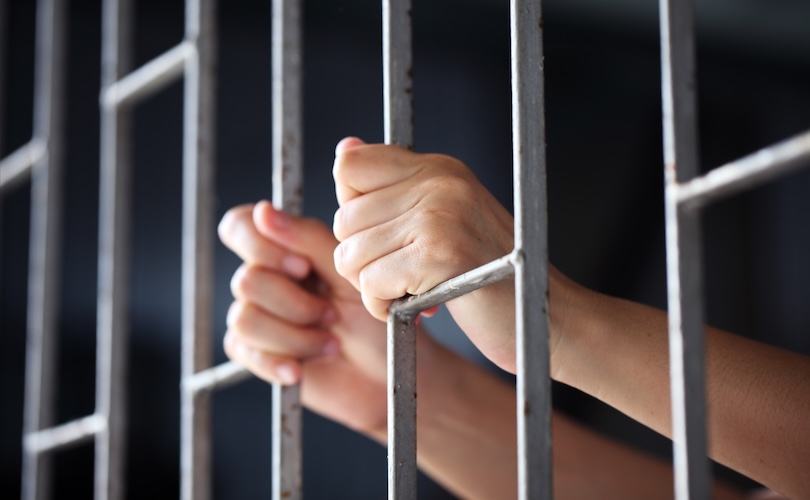
Reports describe incidents where Catholics were arrested after standing their ground against hostile crowds that wanted to stop a service. Those arrests often lead to bail denials and prolonged legal uncertainty, and that is exactly the kind of outcome that intimidates communities. Religious rituals are not political rallies and should not be treated as criminal acts.
Beyond arrests, the presence of anti-Christian mobs at places of worship shows a deeper breakdown in law and order. Local authorities sometimes stand by and watch, or worse, act in ways that embolden attackers instead of protecting congregations. When sheriffs and administrators fail to intervene, ordinary citizens are left to fend for themselves against violence justified by vague statutes.
These laws are sold as protecting vulnerable people, but the impact falls first on minorities who practice a visible faith. When the state can accuse someone of “conversion” for inviting a neighbor to church, free association and voluntary faith choices are at risk. Republicans who care about limited government and personal liberty should see this as a red flag.
There is also a legal problem. Vague criminal statutes invite abuse because they give police wide discretion to arrest and prosecutors wide power to press charges. That opens the door for harassment and encourages those who would use mob pressure to achieve their aims without accountability. Clear rules, not catchall criminality, are what protect both citizens and honest law enforcement.
Civil society suffers when faith communities are under siege. Churches, schools, and charities that serve local needs become easier targets for intimidation, which hurts the most vulnerable people those institutions serve. Protecting the free exercise of religion is not just an abstract principle, it is a practical safeguard for the civic services that strengthen neighborhoods.
Practical steps could help. Elected officials and judicial authorities should make it clear that peaceful worship is lawful and that incitement to violence will be punished. Training for police to differentiate between legitimate law enforcement and the misuse of conversion statutes is urgent. National leaders who value religious liberty ought to press for reforms that preserve both freedom and public order.
Faith communities themselves are resilient and are finding ways to continue worship while calling attention to abuses. Legal aid, interfaith solidarity, and careful documentation of incidents can blunt the worst effects and bring international attention where it is needed. Defending the right to worship peacefully is a cause that crosses party lines and tests the mettle of any government claiming to stand for freedom.
