
This piece argues that Iran has been waging a steady, asymmetric war against the United States and the West for decades, using proxies, criminal networks, covert finance, and gray-zone tactics that hide inside globalized trade and migration routes, and that American policymakers have failed to see this convergence as an immediate homeland security problem.
Talking about war only in terms of bombs and conventional armies misses the point. Since 1979 Iran has specialized in hit-and-hide methods that exploit ambiguity, deniability, and the gaps between law enforcement and national defense. Those methods are not theoretical; they are active and adaptive, designed to stay below any threshold that would force traditional military responses.
When most Americans picture threats from Iran they imagine them “over there” in the Middle East. The reality is that Iran’s influence has crept into regions once thought safe, including the Western Hemisphere, where criminal smuggling routes, corrupt networks, and ideological brokers create convenient cover. These are the seams where asymmetry thrives, and America’s institutions have been slow to connect the dots.
AMERICAN ‘JIHAD’ FUELED BY ‘RISKY SOURCE’ INSIDE US BORDERS, WARNS NATIONAL SECURITY EXPERT
The recent charges against Mohammad Baqer Saad Dawood Al-Saadi show how this looks in practice. Allegedly a senior commander in an Iranian-backed militia, he is accused of directing attacks on Jewish, Israeli, and American targets across Europe and North America, while coordinating through smuggling networks tied to Mexican cartels. That operational design is textbook hybrid warfare: use criminal facilitators to move people, funds, and weapons, then hide behind newly minted front groups.
Al-Saadi’s case is notable not just for the plots but for the model it reveals. His alleged use of a front group to obscure ties to Iranian-backed militias mirrors tradecraft Tehran has refined for decades. Layered structures give plausible deniability, operational security, and strategic distance, and they let violence spread without a clear state-to-state trace that would compel a conventional response.
The playbook stretches back to the 1980s and beyond. Iranian operatives established commercial and cultural covers in places like Argentina, where mosques, charities, and front companies helped build networks for financing and smuggling. That infrastructure supported attacks in the 1990s and left a pattern that is now being replicated in different geographies and with new partners.
Latin America became a particularly useful environment because of porous borders, weak oversight, and thriving black markets. The Tri-Border Area and other hubs allowed money laundering, trafficking, and ideological organizing to operate alongside traditional criminal enterprises. Those conditions create perfect fusion points for state-backed proxies to hook into existing illicit ecosystems.
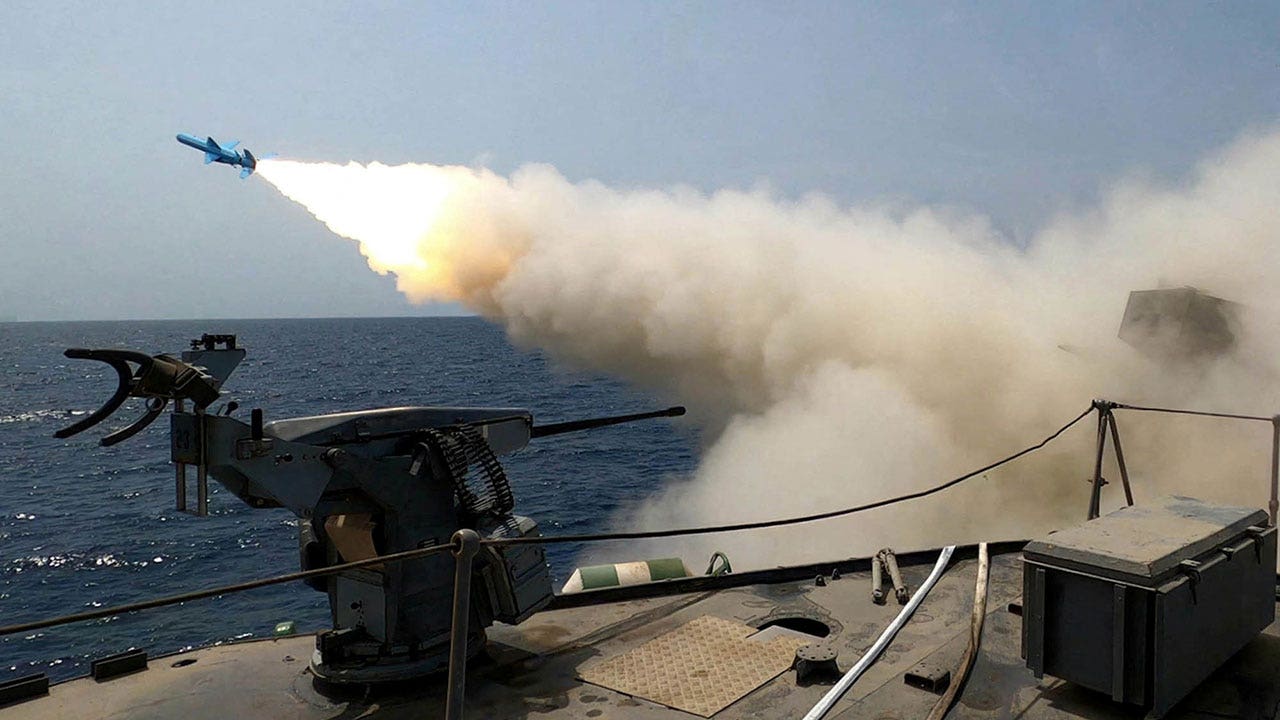
The same logic applies at sea and in energy chokepoints. Iran backs groups like the Houthis to harass shipping routes in the Red Sea and leverages militia activity to pressure shipping through the Strait of Hormuz. These are not isolated nuisance attacks; they are strategic tools aimed at economic pressure and signaling while keeping Tehran formally distant.
Whether it is cartel corridors, diaspora networks, maritime harassment, or covert financial channels, hostile actors exploit the same permissive routes. Not every crime is a plot by Tehran, but the overlap is real and growing, and it multiplies risk when unaddressed. Ignoring that overlap is no longer an option for a country that wants to protect its citizens and critical infrastructure.
‘OPEN BORDERS’ UNDER BIDEN COULD HELP IRAN RETALIATE WITH US TERROR SLEEPER CELLS: FORMER FBI BOSS
The southern border now functions as more than an immigration issue, it is a strategic access point that transnational networks can exploit. Corrupt officials, smugglers, and traffickers create channels that foreign adversaries can repurpose, and porous controls blur the line between criminality and national security threats. That reality demands policy that treats these flows as security problems, not solely humanitarian or law enforcement questions.
America still thinks too binary: war or peace, foreign or domestic, terrorism or crime. Iran’s campaign thrives in those blind spots by treating each of those categories as convenient labels to exploit. The right approach recognizes hybrid threats and builds coordinated responses across defense, intelligence, law enforcement, and diplomacy.
Confronting this challenge means acknowledging that the battlefield is now multi-domain and often invisible. It requires policy driven by realism, stronger border controls, targeted counter-proliferation efforts, and international cooperation to choke off finance and logistics. Until policymakers accept that reality, adversaries will keep designing ways to stay hidden while doing real harm.
Recognizing the problem is not a call to panic, it is a call to clarity and resolve. The stakes are clear, and the tools are available, but only if leaders admit the fight is already inside the seams of our open world and act accordingly.
