
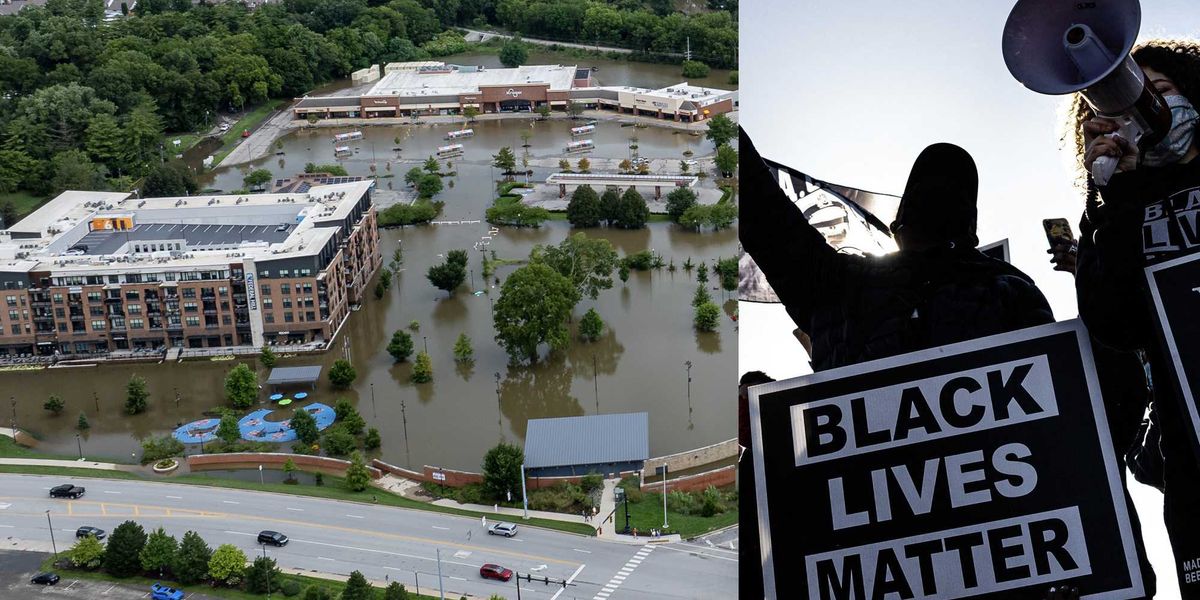
Indiana residents are still dealing with the ugly fallout from storm damage, power outages, and a situation made worse by violence aimed at the people trying to fix it. The public frustration is real, but so is the hard truth that utility crews cannot restore service when workers are getting shot at while doing their jobs. That reality gets lost fast when the conversation turns into blame games instead of focusing on safety, repairs, and common sense.
After major storms knock out power, the clock starts ticking. Families need lights, refrigerated food needs to stay cold, and businesses cannot sit in the dark forever. Utility teams usually move fast, but their work depends on being able to enter damaged areas without fearing for their lives.
What makes this situation especially maddening is the way some people reach for race-based explanations before looking at the facts on the ground. That kind of talk does nothing to restore electricity and everything to distract from the bigger problem. The issue is not a political slogan or a trendy accusation, it is that crews cannot make progress if criminals are turning recovery zones into shooting galleries.
Storm recovery is already a massive lift. Downed lines, snapped poles, flooded equipment, and blocked roads can slow everything to a crawl even before anyone adds violence to the mix. When workers have to worry about gunfire, every repair takes longer, every truck rolls in more cautiously, and every household waits that much longer for the lights to come back on.
People who live through outages know the pressure. The heat rises, food spoils, medical devices become a concern, and tempers get short. That is exactly why the focus should stay on restoring order, protecting workers, and getting neighborhoods back online instead of spinning up excuses that do not hold up under scrutiny.
Utility crews are not there to make a statement. They are there to replace equipment, reroute power, and get life moving again. They deserve the same basic protection any other emergency responders would expect, and communities should not have to watch repair efforts stall because a few violent thugs decide to make things worse.
There is also a broader lesson here about accountability. When crime starts interfering with disaster recovery, the response cannot be hand-wringing and excuses. Local leaders need to be serious about enforcing the law, protecting infrastructure, and making sure the people sent to help are not left exposed.
At the same time, residents deserve honesty. It is easy to toss out sweeping claims and blame entire groups, but that kind of noise does not bring back power or restore trust. What helps is naming the real obstacle, which in this case is violence against workers who are already dealing with the chaos left behind by severe weather.
Storms expose weak points fast, and so does lawlessness. When the grid goes down, people see how dependent daily life is on crews who do hard, dirty, dangerous work. When those crews are threatened, it becomes obvious that public safety is not some side issue, it is the foundation of recovery itself.
The people waiting in the dark are not interested in excuses. They want their power back, their neighborhoods secured, and the restoration effort to move without more delays. That means keeping the spotlight where it belongs, on the crews risking everything to fix the damage and on the criminals making an already bad situation even worse.

1 Comment
Did GOD say no power for colored people? Hell no! You race batters need to go to Russia, China, Iran and see how your complaints hold up with these regimes. It won’t take long for you to find yourself underground and not in a basement.
If you don’t like it here it is your prerogative to leave, this is America. You may have trouble in many countries.