

A man convicted in the 2015 killing of a 6-year-old boy was released from prison this week, sparking fresh outrage and fear from the victim’s family. The case has reopened raw wounds in a small Kentucky community and raised questions about mental illness, sentencing outcomes, and parole decisions. This article summarizes the facts, the family’s response, and what comes next.
Ronald Exantus, 42, was convicted in connection with the December 2015 attack that left 6-year-old Logan Tipton dead while he slept. The defendant, identified at the time as a dialysis nurse who traveled from Indianapolis to Versailles, forcibly entered the Tipton home and used a kitchen knife in the attack. Other family members were injured in the same incident.
In 2018, a court found Exantus not guilty of murder by reason of insanity but guilty on various assault charges related to the injuries inflicted on Logan’s father and sisters. Sentences for the assault counts added up to a term that allowed parole eligibility earlier than many in the community expected. This year, having served less than half the initial aggregate timeframe, Exantus was released on parole with conditions and supervision.
“You took a human being’s life, not just a human being, a 6-year-old boy who had yet to even begun, to begin to live,” Logan’s father, Dean Tipton said, capturing the raw anger felt by the family. Logan’s mother delivered a blunt appraisal of the damage the attack caused, saying the violence changed every family member forever. Those words have driven much of the local pushback against the parole decision.
The Tipton family says the release feels like a betrayal by the system, and their fear is practical as well as emotional. Dean Tipton said, “As a father, I fear that he may come back and try to finish what, because, if I remember right, he told Coral that he was going to kill everyone.” The family also says they received no notification about security measures or offers of protection, amplifying a sense of abandonment.
Heather Tipton described the aftermath and the persistent trauma in plain terms, saying, “He didn’t just kill my son. He killed every member of my family, every single one of us, and every person that’s sitting here today is a completely different person than they were when they went to bed December 6.” That statement speaks to the ripple effects a violent crime can have across a household for years to come. It also frames why parole decisions in cases with high emotional stakes are so controversial.
Sentence, Mental Health Defense, and Supervision
During his six-day trial, Exantus’s attorney argued the defendant was in a state of psychosis, and the jury’s verdict reflected that legal framing by returning a not guilty verdict on murder by reason of insanity. He was nevertheless found guilty of the assault charges that hurt other family members and received the sentences that made him eligible for parole after a number of years. Local reporting indicates he was denied parole in 2021 but approved this year, a reversal that has left many in the community demanding answers.
Officials say Exantus will be subject to mandatory reentry supervision and will remain under probation and parole monitoring for a period after his release. He reportedly traveled to Florida to begin that supervision, and the parole terms include reporting and restrictions typical of supervised release. Still, victims’ advocates and the Tipton family argue those conditions do not erase the threat they feel or the harm already done.
Calls for victim protections are gaining traction locally, with the family asking for basic outreach, information, and safety planning that they say never arrived. Heather Tipton told reporters, “Nobody from the state has contacted us to ask us if we thought about needing security, extra protection, anything like that.” Families in similar situations often press for better pre-release coordination and notification so they can make informed decisions about their safety.
Community leaders and residents are now debating whether the system balances treatment, public safety, and justice fairly when mental illness is a major factor in violent crime cases. Advocates for tougher post-release oversight and better victim services are actively pressing state agencies for policy changes. At the same time, legal experts point out that decisions about parole follow statutory rules and individual assessments that can be hard to overturn.
For the Tipton family, the immediate need is practical: they want clear communication, visible protection options, and reassurance their concerns were not ignored. The emotional need is justice, or at least a sense that the system recognizes the magnitude of what was lost. Until public officials respond with more clarity and the supervision plan is tested, the community will likely remain uneasy.
The case is a reminder that criminal justice outcomes are rarely simple and that sentencing, mental health defenses, and parole can collide in ways that leave victims feeling sidelined. As authorities monitor Exantus on parole, the Tipton family and their supporters will be watching closely to see whether the system protects them now. For many, this story is less about legal nuance and more about a community hoping for trauma to be acknowledged and for safety to be ensured.
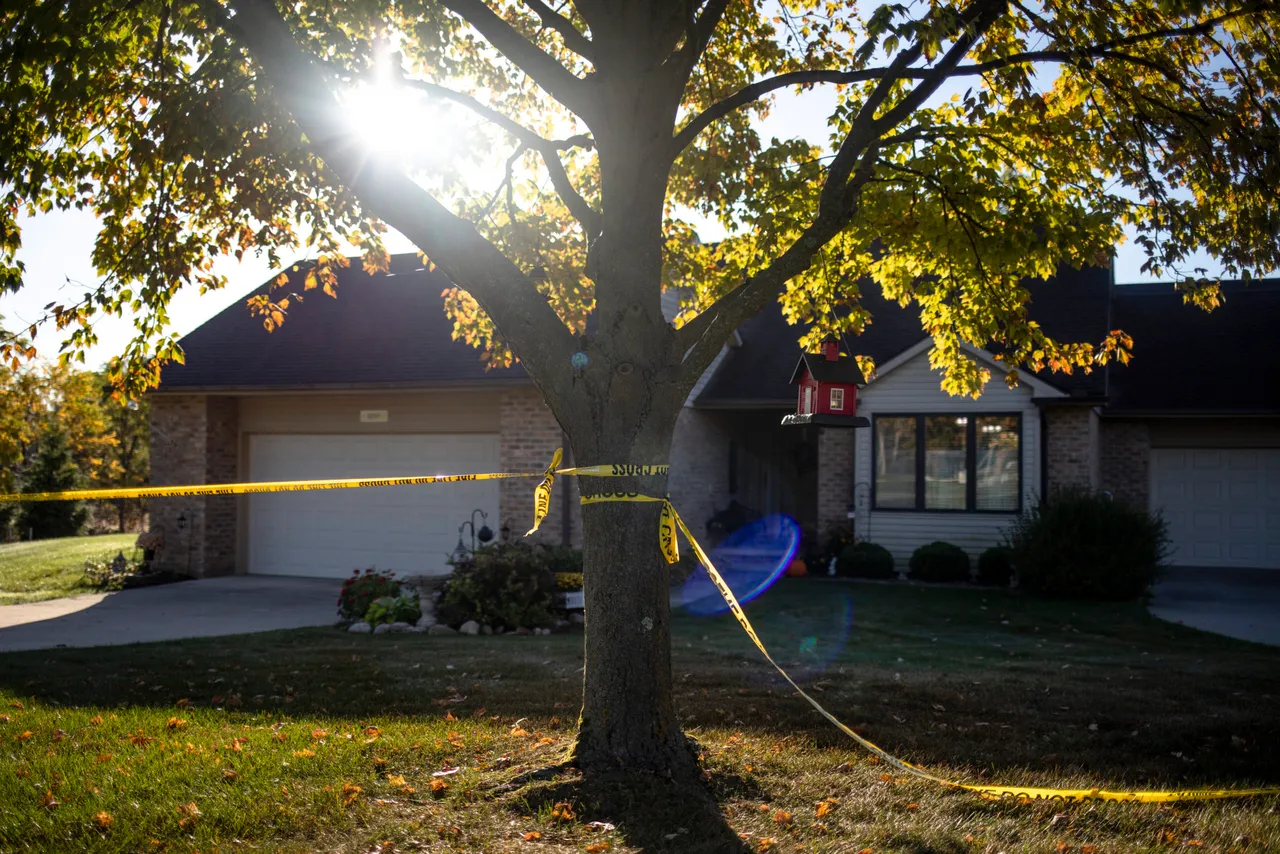
Police tape marking is seen in front of a house across from the Church of Jesus Christ of Latter-day Saints following a shooting and fire. (Photo by Emily Elconin/Getty Images)
