
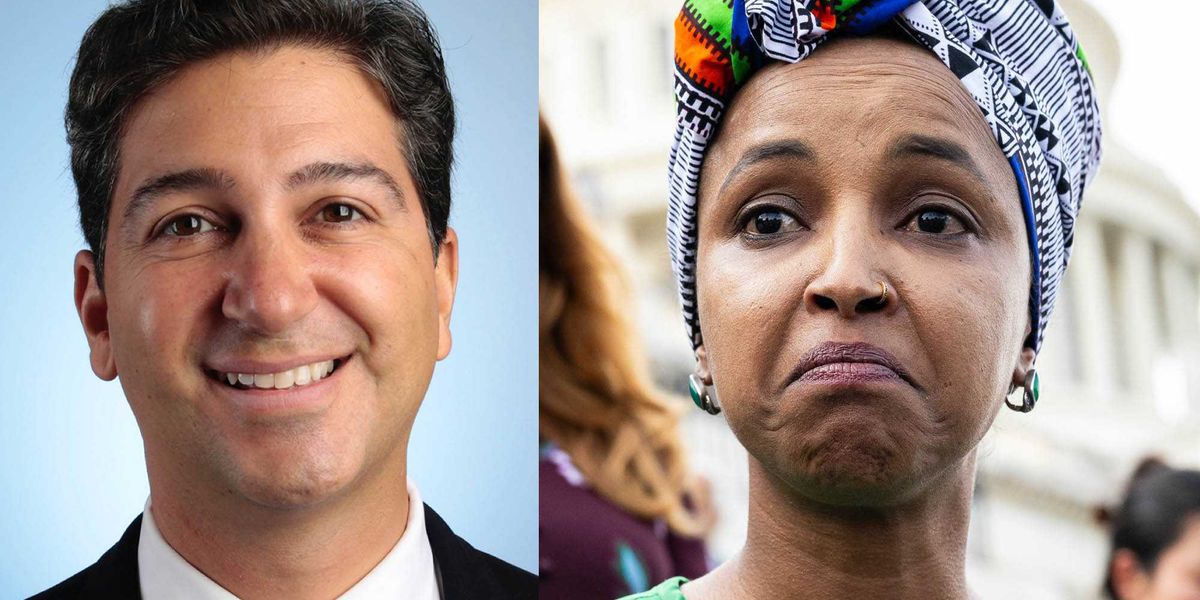
Ilhan Omar’s immigration history was put back in the spotlight after an MS NOW segment tried to soften the edges and ended up doing the opposite. The exchange gave fresh fuel to critics who say the system has been too loose for too long, especially when stories like this raise questions about fraud, accountability, and whether deportation laws are being enforced with any real seriousness.
The situation struck a nerve because it touched a raw public frustration that keeps showing up in election after election. People hear about broken paperwork, confusing legal claims, and officials who seem more interested in excuses than in drawing a hard line, and the reaction is usually the same: enough already.
What made the segment stand out was not just the attempt to defend Omar, but the way the defense seemed to underline the broader argument against weak immigration enforcement. When a media figure bends over backward to explain away a messy record, it can sound less like clarity and more like damage control, and that only sharpens skepticism among viewers who already think the rules are being gamed.
For Republicans, this kind of story lands with a familiar message. The border is not an abstract policy seminar, and immigration fraud is not some harmless technicality. If someone breaks the law to enter, stay, or gain benefits, the answer should not be endless hand-wringing and legal contortion, but a system that actually means what it says.
The phrase mass deportation often gets tossed around like a scare tactic, but to many voters it simply means restoring order. That does not have to mean chaos or cruelty, and it certainly does not mean ignoring real abuse while pretending enforcement is too tough to handle. It means drawing a line that tells people the country will not reward fraud or reward those who cut ahead of the queue.
Omar has long been a lightning rod, and that makes every new controversy bigger than the last. Still, the larger issue reaches beyond one lawmaker, because these fights keep revealing how much of the immigration debate is really about trust, fairness, and whether the public believes the people in charge are serious at all.
Media coverage only adds to the tension when it feels tilted. Viewers notice when a reporter frames a story in a way that seems designed to protect a politician rather than illuminate the facts, and that suspicion spreads fast. Once that happens, even a routine explanation can look like a cover-up in plain sight.
That is why this episode hit so hard. It was not just about one person’s record, but about the larger pattern of elite excuses colliding with ordinary frustration, and the clash is getting harder for the left to smooth over. As more Americans worry about fraud, border pressure, and the cost of pretending the system can absorb everything, the call for stricter enforcement is only getting louder.
The bigger lesson is simple enough. When the conversation turns to immigration, the public is no longer in the mood for polished lines or selective outrage, and a clumsy defense can backfire fast. In trying to protect Omar, the segment only reminded people why a tougher approach is still on the table.
