
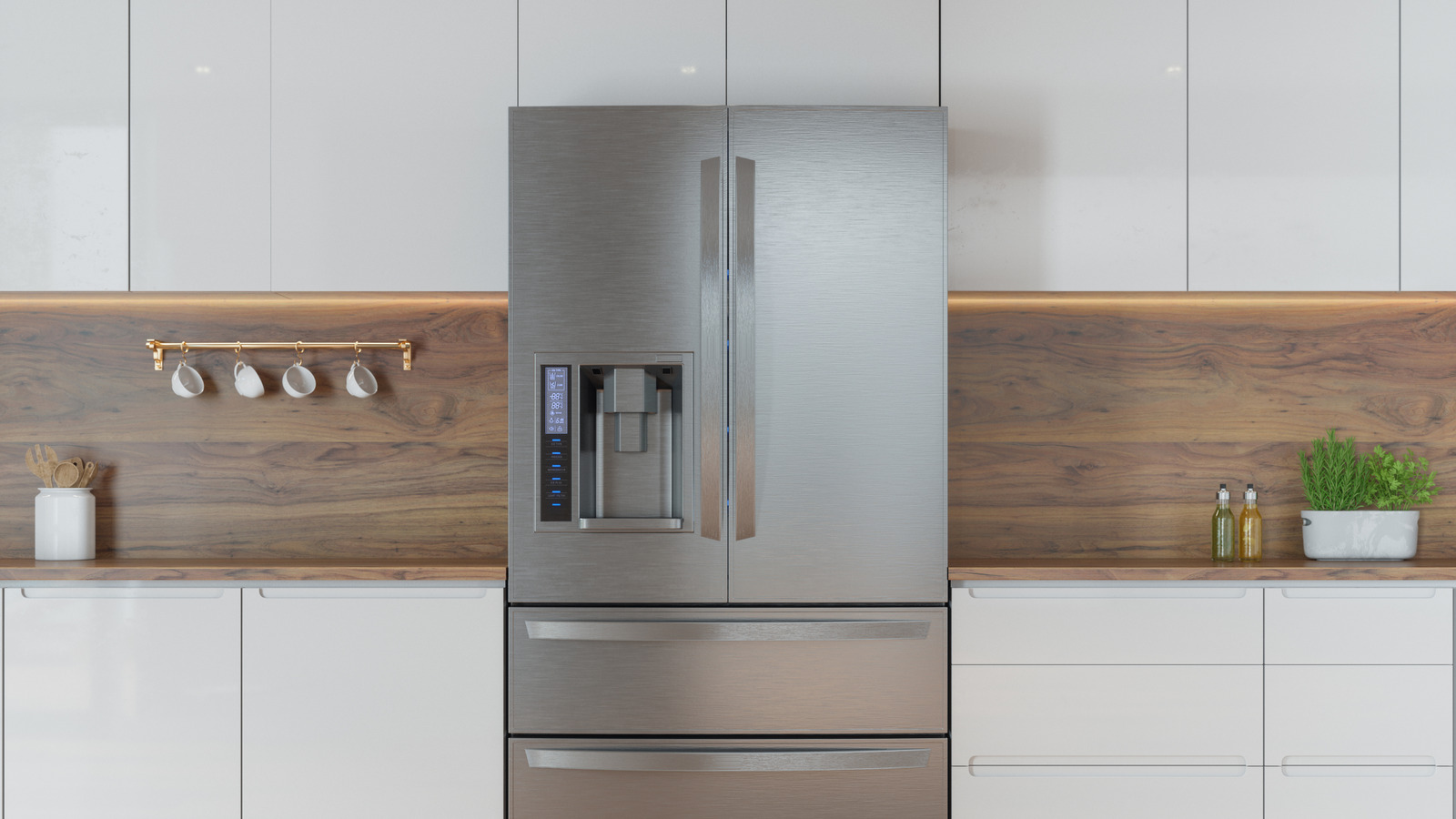
Thinking about finishing your flat-pack kitchen with a fresh fridge? This piece walks you through why many IKEA appliances actually come from an established legacy manufacturer, what that means for fit and function, and how to pick a fridge that won’t let your new cabinets down.
IKEA made its name selling smartly designed, affordable kitchens you assemble at home, and appliances feel like the natural finish to those setups. What surprises a lot of people is that the appliances themselves are often produced by longer-standing appliance makers rather than being built from scratch by IKEA. That arrangement blends IKEA design with traditional manufacturing muscle, and it changes how you should shop and install.
The legacy manufacturer behind many of these units brings decades of experience in refrigeration, materials and manufacturing processes. Those companies know mass production, component sourcing and compliance with electrical and safety standards in markets around the world. Pairing that expertise with IKEA’s minimalist aesthetics creates a product that looks simple but is grounded in industrial know-how.
Why does this partnership happen? For IKEA it’s about scale and consistency. Designing and distributing a full appliance range is a massive operation, so teaming with established factories keeps costs down and ramps up production faster. For the manufacturer it’s a chance to supply a giant global retailer without having to build a separate retail brand presence. The result is appliances that carry IKEA branding but share DNA with models from long-established makers.
For buyers that matters in practical ways. Parts, durability and service networks are often more predictable when a legacy manufacturer is involved because those companies already have supply chains and repair channels. That can mean easier access to replacement parts or more reliable repair technicians, especially for common components like compressors, thermostats and door seals. On the other hand, you may need to dig a little to find the original model number and matching parts list.
Picking a fridge for a flat-pack kitchen is less about brand loyalty and more about fit and compatibility. Measure depth, width and ventilation clearances carefully and remember that built-in or integrated styles require different allowances than freestanding units. Consider door swing and hinge placement so the fridge doesn’t fight your cabinets, and check height options if you plan to tuck it under counters or beside tall pantry modules.
Warranty and service details are worth a close look before you buy. If the fridge is essentially a badge-engineered model, the warranty terms from IKEA and the underlying manufacturer might differ in coverage and service pathways. Find the appliance’s serial plate or model code, make a note of it, and confirm who handles repairs in your area. That due diligence avoids surprises when a noisy compressor or faulty thermostat shows up after a few seasons.
Energy ratings, interior layout and modular shelves are where these fridges often shine, because established manufacturers have refined those systems. Look beyond the label and compare usable storage, door shelf depth, and flexibility for taller items. Price will vary, but don’t assume lower cost means poor performance; the collaboration tends to balance economy with features that matter day to day.
Knowing that a familiar appliance maker stands behind many IKEA-branded fridges changes the shopping conversation from brand mystique to practical choices. When you pair a flat-pack kitchen with a fridge, think like a planner: match dimensions, confirm service options, and evaluate layout rather than chasing logos. That approach gives your new kitchen the performance it needs without wrecking the clean, affordable design you bought it for.
