
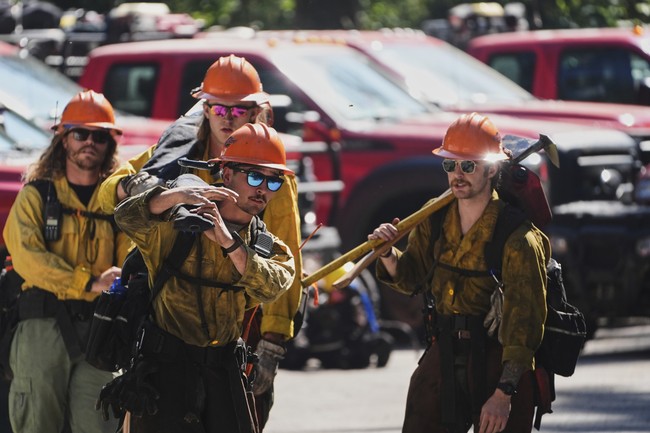
Authorities in Idaho have confirmed the identity of the man responsible for the tragic ambush of firefighters. The Kootenai County Sheriff, Bob Norris, identified the suspect as 20-year-old Wess Roley, whose identity was largely confirmed through cellphone tracking data from a body found near the crime scene. The motive behind Roley’s actions remains a mystery, but the incident resulted in the deaths of two firefighters and left another injured as they responded to a fire allegedly set by Roley.
Sheriff Norris elaborated on the circumstances, noting an interaction between Roley and the firefighters related to the parking of his vehicle. The suspect is believed to have shot himself, though it is possible he was fatally wounded during a prolonged standoff with law enforcement. “It appears right now, we have a shotgun that was used, but we’re still processing the scene,” said Norris, emphasizing the ambush’s suddenness and brutality.
Roley was reportedly living out of his car and had previous minor encounters with law enforcement. However, investigative journalist Sarah Fields uncovered a more troubling history, including a 2024 arrest for felony assault with a deadly weapon, later reduced to a misdemeanor. This past incident involved an attempted knife attack, adding a layer of complexity to Roley’s background.
Despite the confirmed identity, efforts to find insights from Roley’s social media fell short due to the swift removal of his online presence. PJ Media’s Paula Bolyard expressed frustration over this typical erasure, noting that such information might only surface through a Freedom of Information Act lawsuit, a process that could take years. This lack of access leaves many questions about Roley’s motivations unanswered.
Often, suspects in such cases hold radical views, and Roley’s online activity, accessed by Sarah Fields before its removal, revealed disturbing content. His posts on X included disdain for authority and radical, hostile views toward society. These posts even contained threats against family members, resulting in a no-contact order.
The online scrub of Roley’s profiles raises suspicions, as such actions often coincide with individuals harboring radical leftist ideologies. There is also speculation about the involvement of prescription drugs, a topic often shrouded in secrecy by pharmaceutical companies and media alike. Despite these leads, the motive for Roley’s ambush remains elusive.
The loss of the firefighters underscores the dire consequences of Roley’s instability. As investigations continue, the community grapples with the senseless violence that claimed the lives of those committed to public service. The bravery of these first responders, who faced danger without hesitation, is a stark reminder of the risks inherent in their vital work.
The tragedy in Idaho highlights the need for scrutiny of individuals with potentially dangerous ideologies and histories. It also calls attention to the importance of transparency regarding social media activity and its role in understanding such acts of violence. The removal of Roley’s online presence has only fueled speculation and left the public in the dark.
In the wake of this tragedy, questions about the effectiveness of current systems in identifying and addressing threats have arisen. The challenge remains to balance privacy with the need for security and awareness of potential dangers. The case of Wess Roley serves as a poignant example of the complexities involved in preventing such incidents.
As the investigation unfolds, the focus remains on uncovering any additional information that could shed light on Roley’s actions. Authorities continue to work diligently to piece together the events leading up to the ambush in hopes of preventing future tragedies. The community’s resilience and commitment to supporting one another are evident as they navigate this difficult time.
The heroism of the firefighters and their dedication to service in the face of peril have been rightfully honored. Their sacrifice is a reminder of the selflessness and courage that define those who protect and serve. The community stands united in mourning their loss and celebrating their legacy.
This incident serves as a catalyst for discussions about safety and preparedness among first responders. The importance of vigilance and awareness in the face of potential threats is underscored by the ambush. Communities must remain engaged and proactive in supporting those who risk their lives for public safety.
The role of social media in modern society and its potential impact on behavior is an ongoing topic of debate. The removal of Roley’s posts highlights the challenges of balancing privacy with public safety. Future policies may need to address these issues to better understand and prevent acts of violence.
While the investigation continues, the focus remains on healing and rebuilding within the affected community. Support networks and resources are vital in helping those impacted by the tragedy find solace and strength. The path forward is uncertain, but the resolve to overcome and honor the fallen is unwavering.
The story of the Idaho firefighters is a testament to the bravery and sacrifice of those who serve. Their legacy will inspire future generations to uphold the values of courage, dedication, and service. In the face of adversity, their memory serves as a guiding light for the community.
As the community comes to terms with the loss, the importance of unity and solidarity is ever-present. The strength shown in the aftermath of the ambush is a testament to the resilience and spirit of those affected. Moving forward, the lessons learned will inform efforts to prevent similar tragedies and protect those who serve.
Efforts to understand the motivations behind violent acts continue to shape discussions around public safety. The case of Wess Roley highlights the complexities and challenges in addressing such issues. As solutions are sought, the commitment to honoring the bravery and sacrifice of first responders remains steadfast.
