
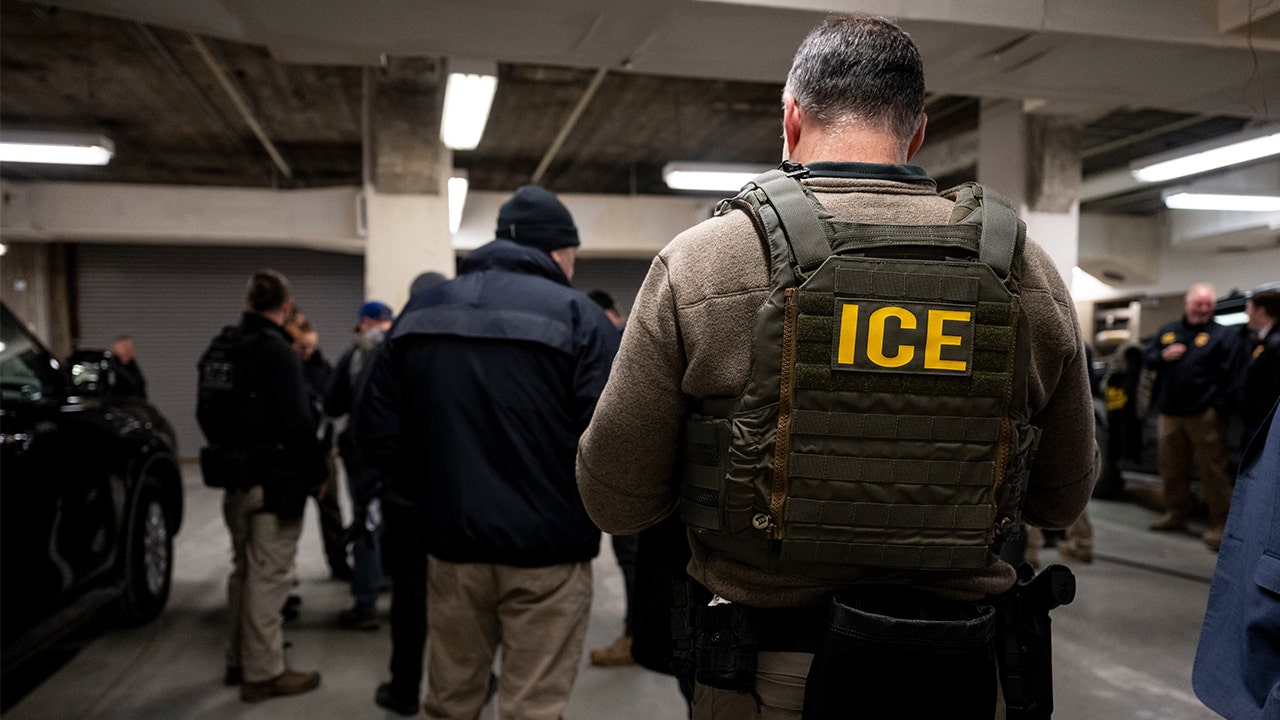
More than 2,000 known or suspected terrorists have been deported from the United States since President Donald Trump took office in January 2025, according to the Department of Homeland Security, just as the country prepares to observe 25 years since the 9/11 attacks. DHS said the numbers reflect a major push by U.S. Immigration and Customs Enforcement to track, arrest and remove people flagged as security threats before they can do more damage.
According to DHS, ICE arrested more than 2,150 known or suspected terrorists between Jan. 20, 2025, and Sept. 9, 2026, and deported 2,015 of them during that stretch. The department framed the effort as part of the same mission that has defined homeland security since the post-9/11 era, with Secretary Markwayne Mullin saying the agency is still focused on protecting the country and keeping Americans safe.
The timing is loaded. The 25th anniversary of the September 11 attacks is not just a date on the calendar, it is a blunt reminder of what happens when threats slip through and the system fails to catch them in time.
DHS said the anniversary underscores a need for what Mullin called “eternal vigilance,” and that language fits the mood around the department’s latest figures. The message is simple and hard to miss: enforcement is not some side issue, it is the front line.
The agency also pointed to several recent cases involving alleged terrorists and people tied to designated foreign terrorist organizations. In one case, federal authorities arrested Abraham Hermosillo Alvarez in June, describing him as the suspected ringleader in an alleged mass-casualty plot aimed at UFC Freedom 250 at the White House.
DHS said Alvarez had overstayed a visitor visa that expired in 2001 and later received DACA status in 2014. ICE placed a detainer on him after the arrest, a move that shows how immigration enforcement and national security often collide in the same file.
Another case involved Felipe Linares De Oliveira Dell Aquilla, whom DHS identified as a former commander of two designated foreign terrorist organizations. ICE Homeland Security Investigations arrested him days before the Alvarez case, and authorities said they recovered a handgun, cash and multiple electronic devices after a vehicle and foot pursuit in North Carolina.
DHS said Aquilla was wanted in Brazil on criminal association and extortion charges and was also accused of holding his wife against her will while trying to flee to Mexico. ICE lodged a detainer after his arrest, while investigators continued to dig into possible firearm and kidnapping charges.
The agency also highlighted the case of four Venezuelan members of Tren de Aragua who pleaded guilty in May in connection with a 2024 Bronx shooting that killed two people. DHS said all four entered the United States illegally between 2022 and 2023, a detail that keeps the spotlight on how quickly violent actors can move when the border is weak.
Those cases have helped fuel the larger argument around ICE’s role. Supporters of tougher enforcement see the numbers as proof that the agency is doing exactly what it was built to do, removing dangerous people before they can vanish into the interior of the country.
The 9/11 anniversary gives that argument even more weight. Nearly 3,000 people died in New York City, at the Pentagon and in Pennsylvania, and the country responded by rebuilding its homeland security structure from the ground up.
That overhaul led to the creation of DHS in 2002 and ICE the following year. Two and a half decades later, the mission still feels urgent, with border security, terror screening and domestic safety all tangled together in the same fight for control.
Friday’s memorials will honor the victims and the first responders who ran toward danger when others were running away. At the same time, the latest ICE numbers are forcing a fresh look at how many threats are still being found, stopped and pushed out before they can become the next headline.

2 Comments
Next round 20, or 200K
Too bad we can’t deport the politicians who let them in.