
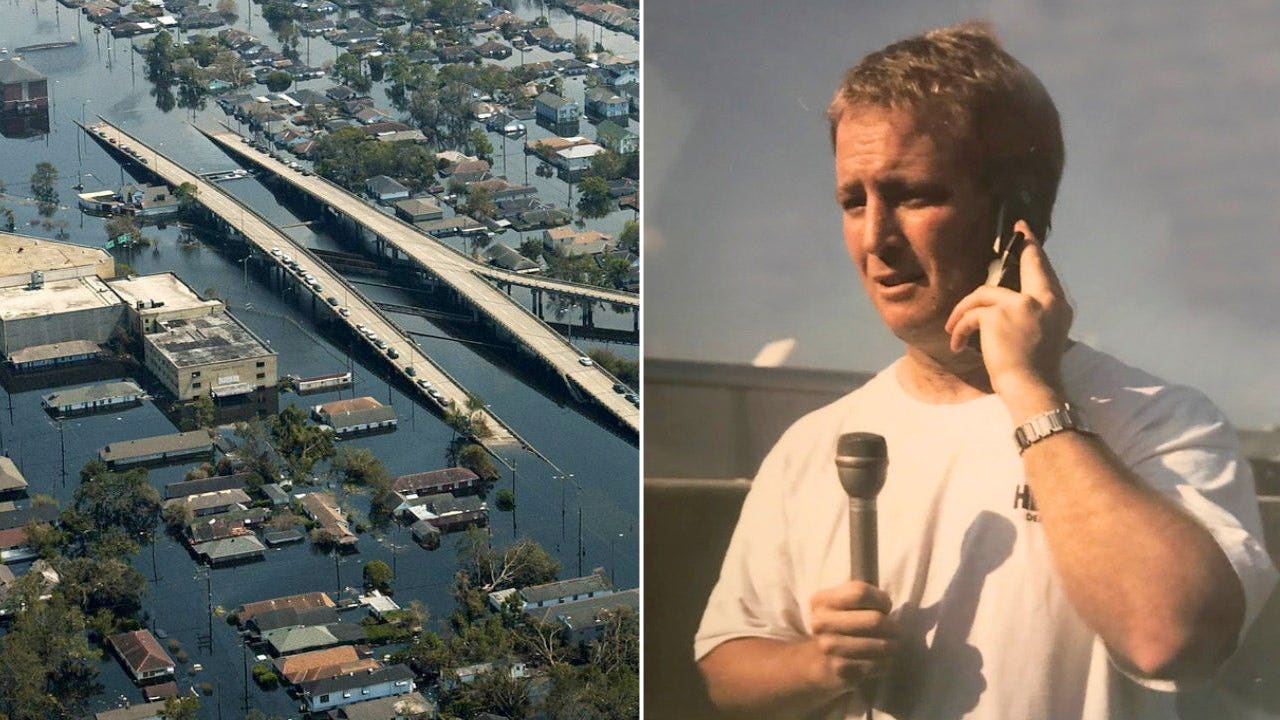
Hurricane Katrina did more than flood a city. It rewired the way disaster preparedness feels in real life, where plans crack fast and the smallest details can become the difference between staying safe and getting stuck. The storm exposed how quickly food, power, communication and escape routes can disappear, and it pushed one survivor to rethink what true readiness looks like.
Aug. 29 marks 21 years since Hurricane Katrina slammed the Gulf Coast in 2005. What started as a weekend trip to New Orleans with family turned into a long, nerve-jangling stretch trapped inside a hotel while one of the worst hurricanes in U.S. history tore through the city. That experience left a mark that never really faded.
Before the flooding even started, the pressure was already building. As the storm strengthened in the Gulf, there was a scramble to get out, and one of the last flights left the city with barely any room to spare. A rental car plan collapsed into a dead end, and the fallback option turned out to be a hotel that looked storm-ready on paper but was about to be tested hard.
The hotel had upgraded windows, generator power and food supplies, which sounded reassuring at first. Then employees were allowed to bring their families inside, swelling the number of people sheltering there and stretching resources thin. Once floodwater surrounded the building, every basic comfort got harder to hold onto, from meals to power to simple movement.
Inside, the situation turned rough in a hurry. Food was rationed, fuel became precious and communication started falling apart. Cell service was unreliable, text messages lagged badly and the streets outside were not safe enough to chance. Even getting a dial tone became a small victory, and the kind of improvisation that sounds dramatic later was just part of trying to survive the moment.
What lingered most was the realization that if a luxury hotel was struggling this badly, people in homes across the city had to be dealing with something even worse. That thought hit even harder after meeting other stranded guests whose vacation had suddenly become a disaster. The human side of the storm, the fear, confusion and need to help one another, stayed as vivid as the flood itself.
One of the biggest lessons from Katrina had nothing to do with gadgets or gear. It was about information, or more accurately, the total lack of reliable information when everything was falling apart. Rumors spread, nobody knew what was next and the whole place felt like it was running on panic and half-truths.
That is why the story keeps coming back to a simple but powerful idea: control what can be controlled. Instead of being swallowed by the chaos, the focus shifted to the next solvable problem, whether that meant confirming details, tracking a location or figuring out what would actually help in the next hour. In a disaster, that mindset can calm the noise just enough to make better decisions.
There was also a real lesson in knowing exactly where rescue crews would need to find someone. A helicopter could have helped, but only if the pilot had precise latitude and longitude. It took nearly two days to pin those coordinates down, a reminder that modern emergencies do not wait for convenience, and that basic location data can matter more than fancy gear.
Katrina also changed the kind of supplies worth keeping close. Backup power became a permanent part of the picture after an uninterruptible power supply was used to charge phones when the grid was gone. Simple things, like a zip-top bag to keep electronics dry, turned out to be surprisingly valuable when water was everywhere and dry storage was at a premium.
Weather awareness became another layer of readiness. A smartphone is helpful, but it should not be the only warning system when severe weather is rolling in. A NOAA Weather Radio can keep official alerts coming even when power, internet and cell towers are struggling, and that kind of steady warning can be a lifeline when the night gets noisy and dark.
There is also the practical side of staying connected when the network disappears. Newer emergency features built into phones can help, including satellite-based SOS tools on supported devices. Practicing those features before a storm matters, because nobody wants to be learning buttons for the first time while floodwater is rising or a signal is gone.
Water, cash and vehicle supplies all earned a new place in the emergency playbook too. A disaster can hit when supplies are nowhere near the front door, and that is when backups in the car, extra batteries and enough drinking water start to feel less like overplanning and more like common sense. The same goes for keeping emergency basics dry, charged and easy to grab when the lights go out without warning.
Even with all the fear and uncertainty, the lasting lesson is not panic. It is flexibility. A storm can wipe out one plan in minutes, but having multiple ways to get information, preserve power and reach help gives people a fighting chance when the old rules stop working.
