
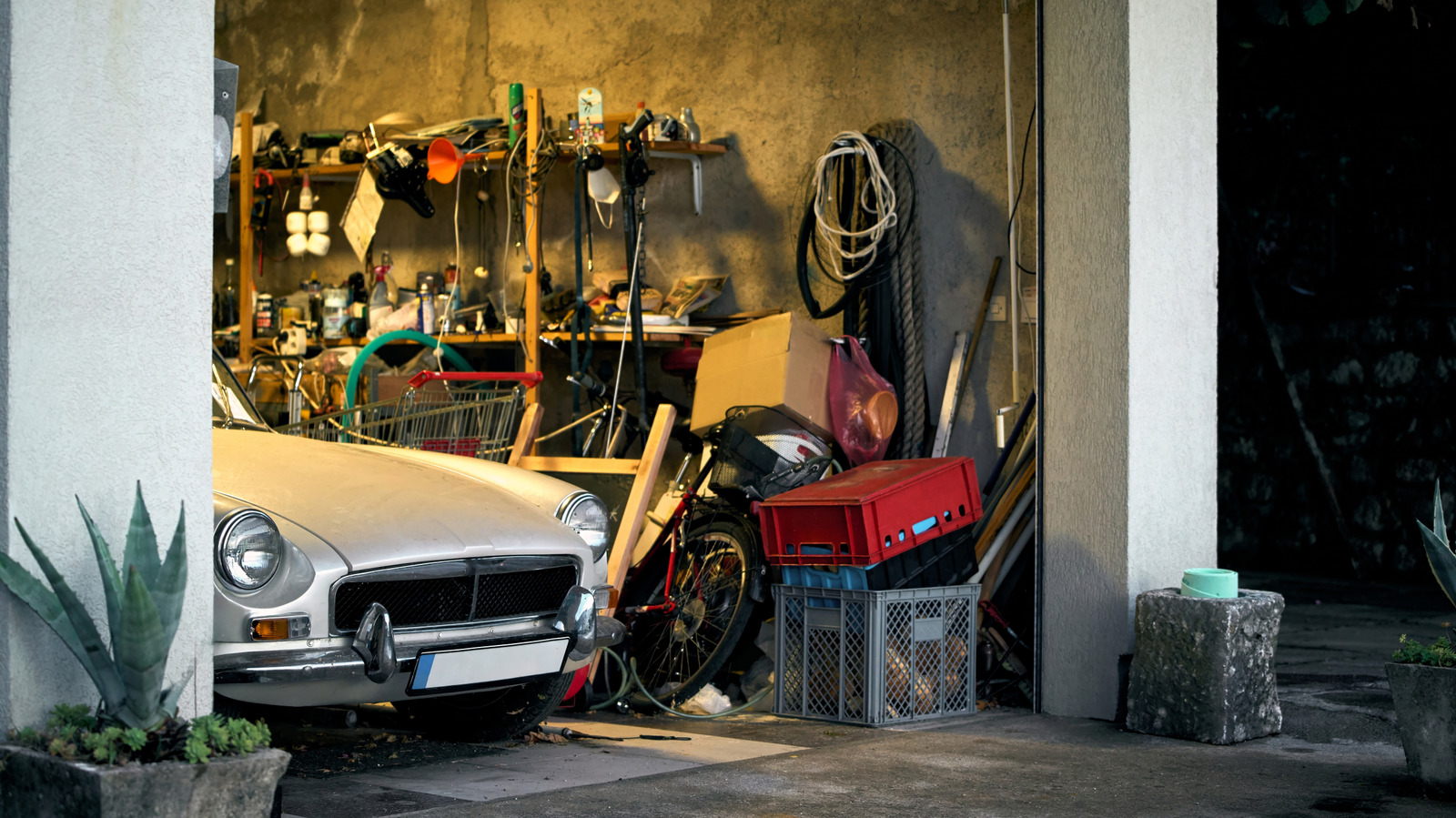
Mold in a garage is more than an ugly stain. It can spread fast in a space that is dark, damp, and packed with storage, so the fix has to be quick and the prevention has to be smart.
First, get the area open and safe before you touch anything. Wear gloves, goggles, and a face mask, then use a mold remover or a homemade mix with warm water, distilled white vinegar, detergent, or bleach. Spray the moldy spot, let it sit, then scrub with a stiff brush until the stain lifts, repeating as needed before rinsing and drying the area completely.
Drying matters just as much as cleaning. If the garage stays wet, the mold will love that and come right back, so leave doors open when possible and keep air moving while the surface dries. A damp patch tucked behind a shelf or along the floor can turn into a bigger problem if you ignore it.
Once the mold is gone, the garage needs a reset. Clear out junk like old cardboard boxes, broken furniture, and anything else that can trap moisture or hide growth behind it. The less clutter you have, the easier it is to spot trouble early and keep it from settling in again.
Tool storage makes a bigger difference than most people think. Keep your tools organized, and do not stash anything wet or perishable inside toolboxes. If there is a leak from the roof, a wall, or the floor, fix it quickly, because mold does not need much help to spread once moisture is around.
Humidity is another silent culprit. If the garage feels muggy, a dehumidifier can help pull excess moisture out of the air and make the space less friendly to mold. It is also worth checking whether you actually need one, since a simple moisture test can reveal whether the air is hanging onto more water than it should.
Airflow is a big deal too. A fan can keep air moving, and better ventilation helps prevent that stale, trapped feeling that mold thrives on. The goal is simple: do not let the garage sit still and humid for long stretches.
Natural light can also help change the environment. Garages that stay dark and closed up tend to stay damp longer, so adding windows or garage door panels with windows can make a real difference. More light and more movement together make the space less welcoming to mold in the first place.
Floor drainage is another piece of the puzzle that people often forget. If water pools in one area after rain, washing, or a leak, that standing moisture can keep feeding the problem. Improving drainage or redirecting water away from the garage can save you from repeating the same cleanup over and over.
The best defense is staying alert before the next musty smell shows up. Check for damp corners, inspect storage areas, and keep an eye on anything that could trap moisture or block airflow. A garage that is kept dry, open, and uncluttered has a much better shot at staying mold-free for the long haul.
