
Engine hours tell a story, but not the whole story. A low number can hide age, storage damage, or rough use, while a bigger number can still look perfectly healthy if the engine has been cared for the right way. In aviation, what counts as “a lot” depends on the engine type, how it has been flown, and what the maintenance record says behind the scenes.
Airplane engines are built to exacting standards, yet they still live in the real world of heat, vibration, moisture, and wear. That is why manufacturers publish recommended Time Between Overhauls, or TBO, and why those figures matter so much. For private operators, TBO is often guidance, but in commercial service it can become a firm line that cannot be ignored.
There is no single magic number that defines a high-time engine. The same 2,000 hours can be a big deal for one engine and barely a warm-up for another. Size, design, operating environment, and how the aircraft is used all shape the answer.
Small piston engines, the kind found on many single-engine airplanes, usually have TBO ranges around 1,200 to 2,400 hours. Around 2,000 hours has long been viewed as a notable benchmark for this class, especially because calendar age matters too. These engines may sit for long stretches, and time can cause corrosion and material breakdown even when the tachometer barely moves.
Turboprops live in a different world. They typically run longer between overhauls, with many sitting near 3,000 hours and some stretching to 6,000 hours depending on the model and maintenance program. They are built to work hard in short- to medium-range roles, and their limits are shaped not just by hours, but by the life-limited parts inside them.
Those life-limited parts, often called LLPs, are where the real long-term pressure builds. Turbine disks, compressor disks, hubs, and similar components wear out on a cycle-based schedule, not just by total time aloft. Once a part reaches its certified limit, it is done, even if it still looks fine to the naked eye.
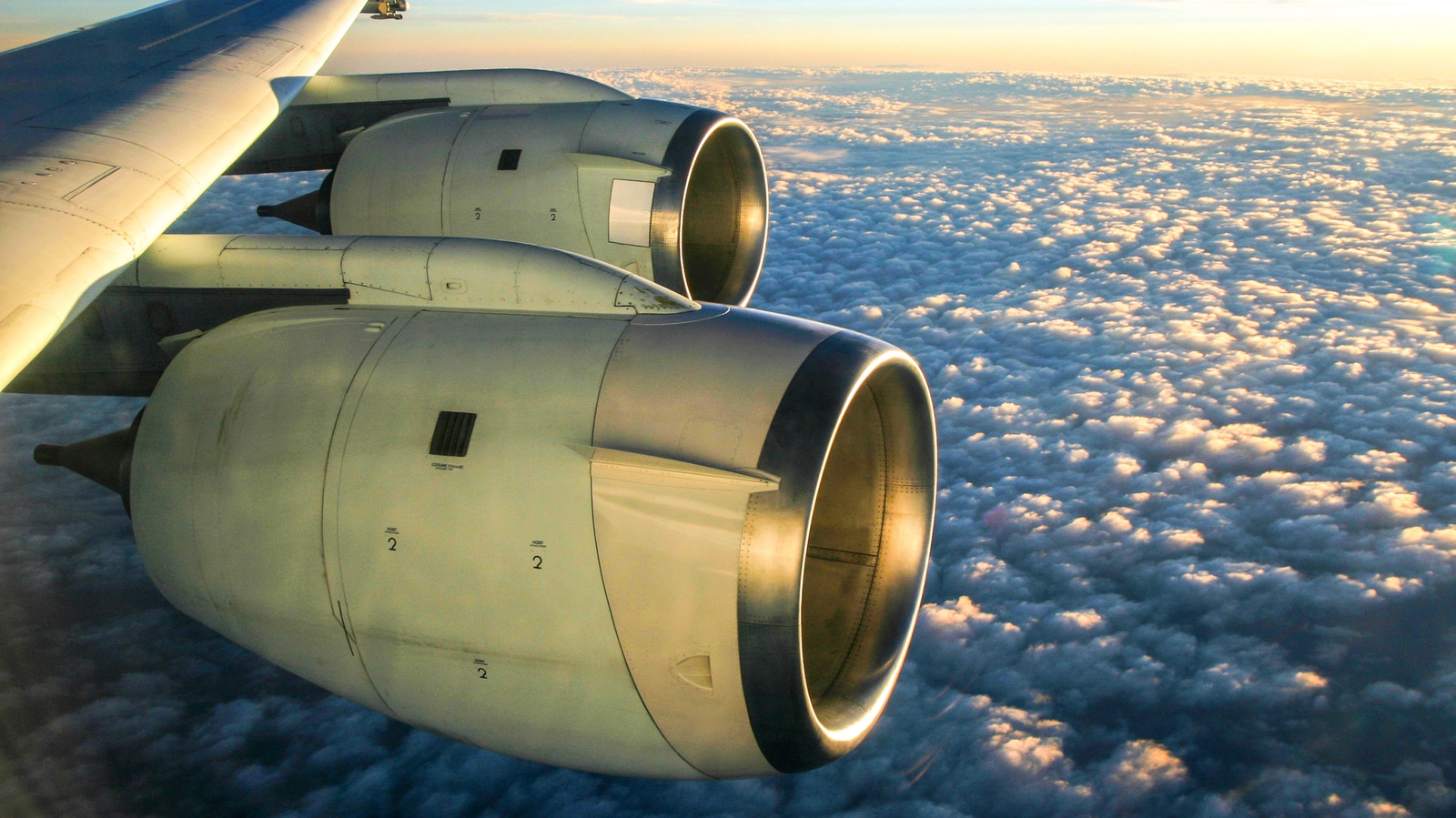
Commercial turbofans are in another league entirely. Some are built to rack up as much as 150,000 hours over a long service life, with major shop visits often landing somewhere around 20,000 to 30,000 hours. Instead of leaning on a simple overhaul clock, they are tracked by condition, cycles, and parts life, which gives a much fuller picture of what is really happening inside the engine.
That cycle count matters a lot because one flight cycle is one takeoff and one landing. Those repeated heat-up and cool-down swings put serious stress on metal, seals, and rotating parts. A short hop and a long cruise may both add one cycle, but the hidden wear can be very different depending on the mission profile.
Flight hours are still useful, just not as a standalone truth serum. They do not show whether the aircraft spent years sitting idle, whether it was flown through hot, dusty conditions, or whether it was treated gently or hammered hard. The engine that spent its life in clean, regular service can age very differently from one that logged the same hours in harsh conditions.
Storage can be a silent troublemaker too. Engines and airframes do better when they are used regularly, since sitting too long can dry out seals, encourage corrosion, and let fuel system residue build up. An aircraft is usually happier flying than gathering dust, and maintenance teams know that inactivity can be just as damaging as overuse.
Routine care still sits at the center of all of it. Oil checks, contamination inspections, vibration monitoring, and balance corrections do more than keep the engine smooth, they shape how long it stays healthy. In aviation, hours matter, but the real answer always lives in the details around them.
