
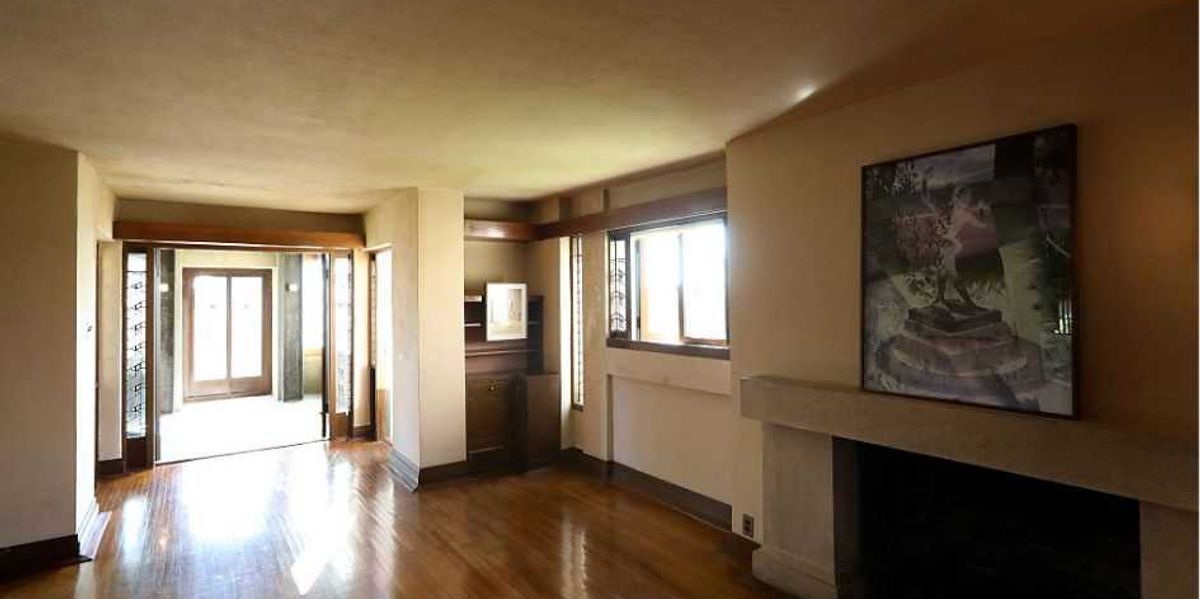
People are buying homes so expensive they have nothing left to furnish them, and that odd reality tells us a lot about priorities, pressure and appearances. This piece looks at why the phenomenon happens, how social signals and lending habits push it, and what it does to everyday life. The goal is to show how a house can look lavish from the street while feeling hollow to the people who live inside.
Imagine a house so large it turns heads but so lightly stocked it feels unfinished when you walk through the front door. It sounds absurd, yet more households are stretching to buy the shell of status and leaving the interior sparse. That gap between façade and furnishing is where the problem starts to show up.
Especially since we don’t see inside most homes. We drive by a place with six bedrooms, seven bathrooms, and a five-car garage and assume wealth. Financial overextension is, in one sense, a numbers problem. But it’s also something deeper.
A big mortgage does not guarantee a comfortable life; it guarantees a monthly obligation. People confuse the ability to make a payment this month with long-term affordability and treat cashflow like a permanent state. That willingness to push to the limit has become a cultural pattern, not just a financial one.
Keeping up with the Joneses used to mean glancing across the street and adjusting expectations a little. Now we live in one giant, curated neighborhood where everyone posts the best parts of their life and economies of attention reward the flashiest displays. The pressure to match that feed convinces people to buy the appearance of success before the substance.
Many tell themselves they will “figure it out later” after signing the papers, planning to make sacrifices elsewhere or count on future raises. That logic works until something breaks: a job loss, a roof repair, an interest spike. When the safety net is thin, those empty rooms become a symptom of a deeper vulnerability.

Once you accept running a house like a statement piece, trimming back feels like failure instead of prudence. You work more to afford more, then rationalize new purchases as deserved rewards instead of admit the math was wrong. That pattern produces stress, erodes savings, and leaves people a single mishap away from real trouble.
This isn’t just about lenders or rates. It’s about how we assign value: consumption as self-worth, rooms as trophies. Materialism replaces purpose when displays become the metric of success, and that inversion drives choices that pin families to precarious budgets.
There is no magic law that will stop every household from overreaching, but individuals can act differently. Start by asking whether each big decision improves daily life or just shows up well in a photo. Simple questions about durability, timelines, and actual needs will suddenly make the math look a lot clearer.
The empty, oversized house is a fitting image for the culture that produces it. Big and impressive on the surface. Empty inside.
