
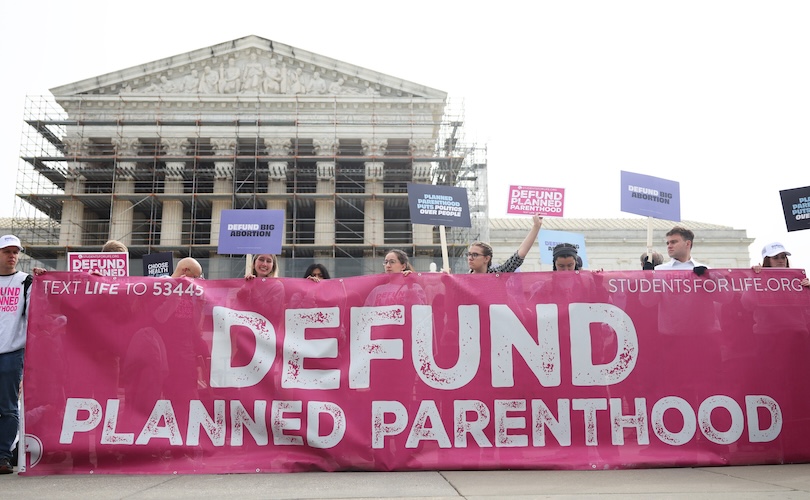
The House oversight panel has given Planned Parenthood until June 1 to produce documents on abortions and gender-related care for minors after nearly a year of unanswered requests. Republicans on the committee say this is about transparency, protecting kids, and making sure federal funds are used responsibly. The deadline ramps up pressure on the organization to finally explain what it does for minors and why it has resisted turning over those records.
Lawmakers are frustrated that it has taken so long to get basic documents, and they see the delay as a pattern of stonewalling. This is not a casual inquiry; it is a sustained effort to hold a major provider to account. Republicans argue taxpayers deserve to know how public money connects to care given to children.
The heart of the matter is twofold: abortions for minors and gender-related interventions aimed at young people. Members of the panel want records that clarify consent practices, parental notification, and the clinical basis for those interventions. For many Republicans, the guiding question is simple: are vulnerable kids being treated in ways parents and communities would expect?
On abortions, the committee is pressing for documentation that shows how minors access services and what safeguards are in place. Republicans emphasize parental rights and want assurance that kids are not being slipped through the system without proper oversight. The demand reflects broader concerns about medical decision-making for children and who gets a say.
When it comes to gender-related care for minors, the skepticism is even sharper in GOP circles. Lawmakers are asking for protocols, referral patterns, and any records that show long-term follow-up or outcomes. The point is not to vilify individuals but to require clarity on treatments that can have lasting consequences for young lives.
>The financial angle is also a major thread of the inquiry, since public funds flow into many clinics that serve minors. Republicans say transparency about spending and services is a basic stewardship responsibility. If federal money supports programs that expose children to risky or controversial procedures, voters deserve a full accounting.
Setbacks in cooperation usually escalate to stronger tools, and the June 1 deadline is a test of whether the committee needs to move to subpoenas. Republicans have a track record of using oversight mechanisms when voluntary compliance fails. If documents remain withheld, expect sharper inquiries and a push to tie answers to budget and legal leverage.
The political stakes are real and immediate: this investigation taps into broader debates about bodily autonomy, parental rights, and the role of medical providers in schools and communities. Republicans are framing the push as a defense of kids and parental authority, not an ideological crusade. The committee’s actions over the next weeks will show whether that framing holds sway with the public.
Planned Parenthood faces a choice: cooperate and clear up lingering questions, or dig in and invite deeper scrutiny that could affect funding and public trust. For those who have watched this issue closely, the June 1 deadline is more than a calendar date; it is a moment that could change how care for minors is governed. The coming days will determine whether transparency wins or whether oversight must take firmer measures to protect young people.
