
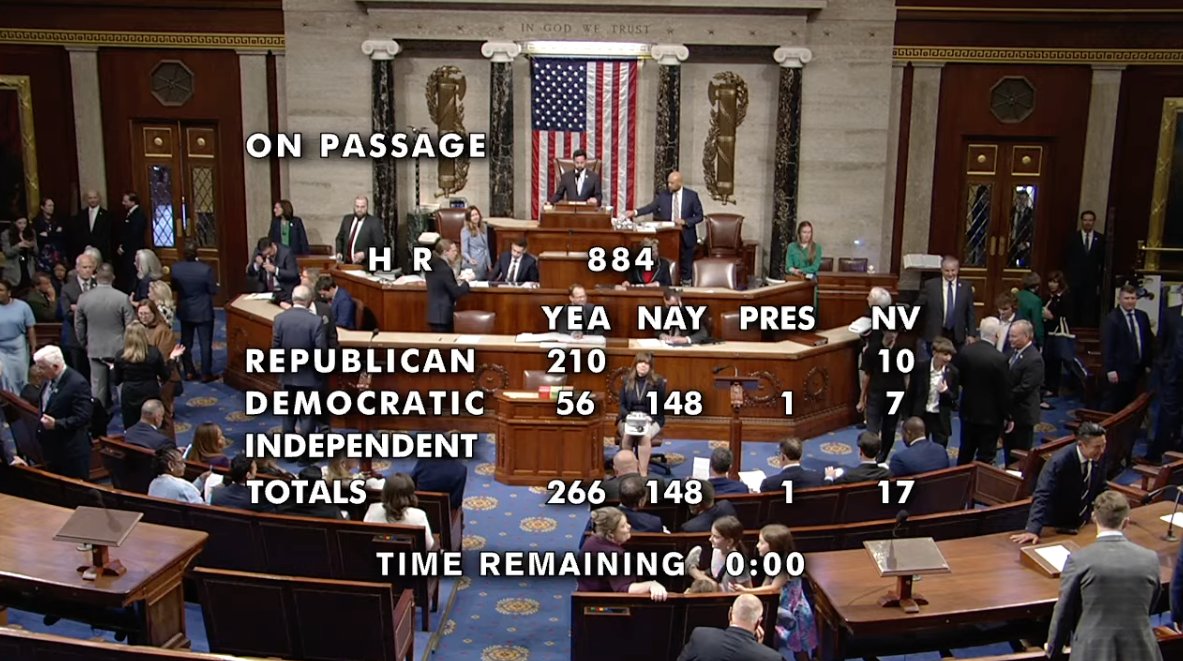
The U.S. House of Representatives recently voted 266–148 to repeal Washington, D.C.’s Local Resident Voting Rights Amendment Act of 2022. This act had controversially allowed non-U.S. citizens, including potentially illegal immigrants and foreign agents, to vote in local elections. The move to repeal, spearheaded by Rep. August Pfluger (R-TX), saw support from 56 Democrats, showcasing bipartisan concern over the integrity of American elections.
Rep. Pfluger celebrated the House’s decision by stating, “It’s common sense: Only American citizens should be able to vote in U.S. elections!” His sentiments reflect a broader apprehension about the implications of allowing non-citizens to influence local governance. Fox News highlighted Pfluger’s stance, emphasizing the potential risks posed by foreign agents voting in elections.
The bill, H.R. 884, does more than just address voting rights; it also undermines D.C.’s autonomy by reversing reforms related to police union powers. In another vote, lawmakers restored collective bargaining rights for the D.C. Police Union, signaling a prioritization of law enforcement over local governance. This restoration has been interpreted as a clear message that upholding law and order takes precedence.
Eleanor Holmes Norton, D.C.’s non-voting representative, criticized the repeal effort as “paternalistic” and “undemocratic.” She argued that the vote was more about making headlines than genuine legislative change. Her comments highlight the ongoing tension between federal oversight and local self-governance in the capital.
This vote marks the third attempt by the House to eliminate non-citizen voting in D.C. Previous efforts were stalled by a Democrat-controlled Senate, but with the GOP now holding sway in the upper chamber, the bill’s prospects have improved. Conservative voices argue that the move is a step towards safeguarding electoral integrity.
Critics of the original D.C. voting rights amendment argue that it jeopardizes the foundation of American democracy. By allowing non-citizens a say in local matters, they believe it dilutes the influence of legitimate voters. The concern is that such policies could become a slippery slope, eroding the sanctity of the electoral process.
Supporters of the repeal suggest that maintaining strict voting rights is essential for national security. They argue that foreign agents should have no role in shaping local policies, especially in the nation’s capital. The bill’s passage in the House reflects a commitment to this principle.
The decision to restore police union rights also aligns with a broader conservative agenda. Many Republicans view strong law enforcement as a cornerstone of a stable society. By reversing limitations on police unions, lawmakers aim to bolster support for law enforcement personnel.
Democrats who supported the repeal did so out of concern for maintaining electoral integrity. Their votes indicate a recognition of the potential risks associated with the original amendment. This bipartisan backing underscores the seriousness of the issue at hand.
The debate surrounding non-citizen voting rights is not new, but it remains contentious. As the bill heads to the Senate, its fate will be closely watched by both sides of the political spectrum. The outcome could set a precedent for how similar issues are addressed nationwide.
Conservative commentators have praised the House’s decision as a victory for common sense. They argue that the integrity of the electoral process must be preserved at all costs. This perspective resonates with those who prioritize national sovereignty and security.
Meanwhile, liberal critics see the repeal effort as an overreach by federal authorities. They contend that local jurisdictions should have the freedom to decide who can vote in their elections. This clash of ideologies is at the heart of the ongoing debate.
The House’s vote has reignited discussions about the balance of power between federal and local governments. As the Senate prepares to consider the bill, these discussions are likely to intensify. The outcome will have significant implications for the future of local governance in D.C.
For now, the focus shifts to the Senate, where the GOP’s influence could prove decisive. The bill’s supporters remain optimistic about its chances of becoming law. However, the path forward is fraught with political challenges and opposition.
As lawmakers continue to deliberate, the question of who should have the right to vote in local elections remains a hot-button issue. The debate touches on fundamental questions about citizenship, representation, and governance. These are questions that will likely persist, regardless of the bill’s eventual fate.
