
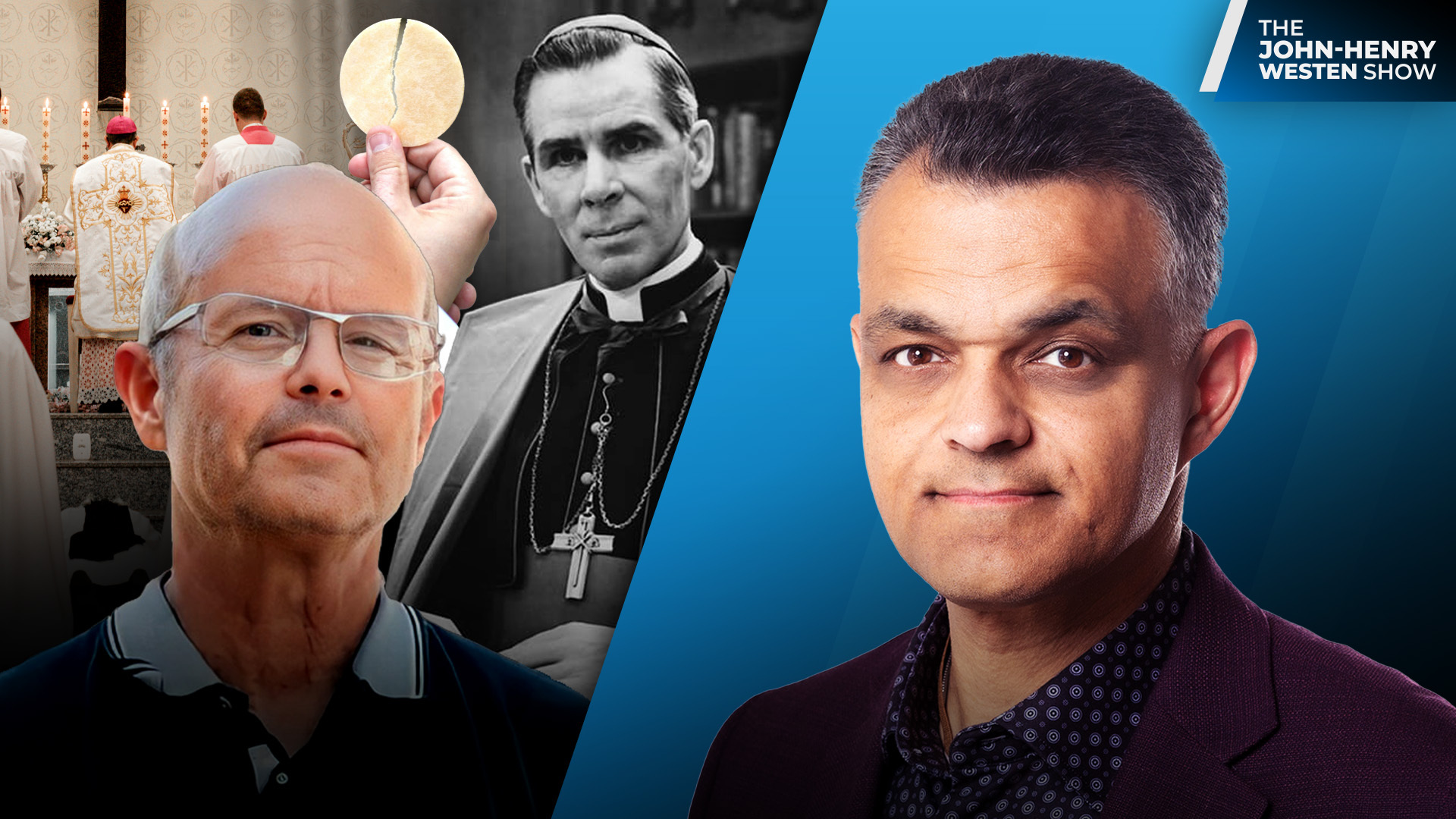
This piece looks at Archbishop Fulton Sheen’s insistence that the tabernacle stay central in church spaces, his strict standards for priestly dress, and how those choices reflected a larger theology that the Eucharist is the center of Catholic life; it traces the context for his decisions, the rationale he gave, and the quiet controversies that followed while keeping the tone grounded and straightforward.
Fulton Sheen built a reputation as a powerful voice for Catholic faith in America, known for radio and television work that reached millions. That public charisma sat beside a disciplined, uncompromising view of how Catholic worship should look and feel. He believed form and presentation mattered because they shaped devotion.
At the heart of his liturgical vision was a simple insistence: the tabernacle belongs front and center in every church. He rejected the modern habit of tucking the tabernacle to the side or placing it in a separate chapel. For Sheen, the placement was not a design choice but a declaration of what the community values most.
He argued that the Eucharist is not ornamentation or historical relic. Instead, he called it “the source and summit of the faith,” a phrase that underpinned his insistence on visibility and prominence. When the Eucharist is central, worshippers are constantly reminded of the presence they are gathered around.
That theological clarity translated into concrete rules inside his diocese. Sheen banned priests from appearing without the cassock, signaling that ministerial dress is part of the witness. It was a refusal to blend clerical identity into ordinary secular life or to follow fashions that relativize the sacred.
Those choices read like old-school discipline to some and stubbornness to others. Critics saw an unwillingness to adapt to new pastoral realities, while supporters saw a leader safeguarding dignity and reverence. Both views reflect how visible symbols in worship can become lightning rods for broader debates about identity and change.
There’s a historical backdrop worth noting: mid-20th-century liturgical experiments and architectural trends pushed churches toward multipurpose spaces and less overt sacramental focus. Designers and some liturgists moved tabernacles, hoping to emphasize communal celebration. Sheen pushed back with the opposite goal: maintain a clear sacramental axis.
His approach wasn’t only about aesthetics. It was pastoral. He believed that when Catholics see the tabernacle placed centrally, they are more likely to cultivate reverence, prayer, and a sense of continuity with centuries of worship. Visibility fosters awareness, and awareness shapes behavior over time.
Enforcing dress codes and liturgical placement also sent a message about boundaries. Sheen wanted clear markers between sacred and secular life, and he used concrete policies to draw lines. That method can feel heavy-handed, but it also created consistency in a moment of fast cultural change.
Reactions to his policies were mixed from the start. Some priests welcomed the clarity of expectations, finding it helpful in forming their public identity. Others chafed at limits on personal choice, arguing that missional flexibility required different postures in public ministry.
Long after his era, debates about tabernacle placement and clerical attire are still alive. Many parishes today strike a middle ground, trying to balance visibility of the Eucharist with architectural innovation and pastoral sensitivity. The pendulum keeps swinging between tradition and adaptation.
Sheen’s insistence on centrality was not a stylistic quirk but an argument about what matters most in worship. Whether one agrees with every rule he set, the core question endures: how should visible space and clothing teach belief? That question keeps bringing communities back to the fundamentals of sacramental life.
The story of Fulton Sheen reminds us that theology often shows up first as aesthetics. How a church is arranged and how ministers present themselves send strong, unspoken lessons about what a community holds dear. In the end, debates about placement and dress are arguments about what the faithful should keep in front of their eyes and at the center of their hearts.
