
The House GOP is turning up the heat on five major labor unions, demanding records that could show where member dues have really been going. The push centers on claims that union bosses funneled money into Democratic politics, progressive causes, and expensive perks while ordinary workers were left out of the loop. At the same time, Republicans say the probe is about something even bigger than politics, which is whether union leadership is still serving the people who pay the bills.
The committee is asking for financial documents from the United Auto Workers, United Steelworkers, SMART Transportation Division, Brotherhood of Locomotive Engineers and Trainmen, and Brotherhood of Maintenance of Way Employees Division. The request reaches back to January 2023 and covers spending tied to politics, lobbying, pay, travel, conferences, entertainment, and internal complaints. Lawmakers also want to know whether union money was used for spouses, guests, family members, or political allies.
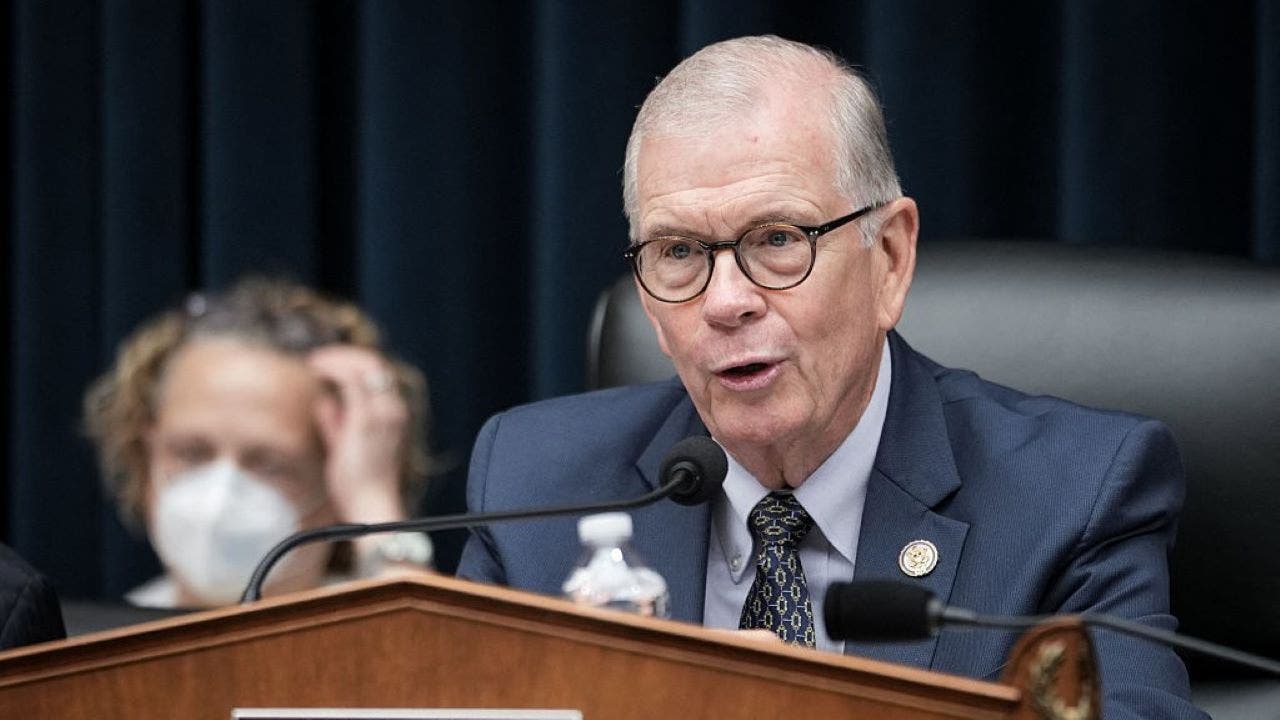
Rep. Tim Walberg said unions are supposed to be advocates for workers, not vehicles for leadership’s personal agenda. He argued that when the rank and file are not aligned with the political spending coming from the top, it raises obvious red flags that deserve a close look. That mindset drives the investigation, which Republicans say is rooted in oversight, not theater.
The letters sent by the committee point to reports alleging that union leaders spent millions pushing Democratic candidates and progressive causes while also racking up big bills for travel, entertainment, and conferences. The United Auto Workers stood out in the numbers cited, with nearly $95 million in political spending and nearly $146 million on travel and entertainment. That kind of gap between worker dues and leadership habits is exactly what has put the unions under the microscope.
Republicans are also focused on a bigger shift happening inside the labor movement. Walberg said many rank-and-file union members have increasingly backed President Trump and other Republican candidates in recent election cycles, even as leadership keeps leaning left. That split has fueled suspicion that union officials are out of step with the workers they claim to represent.
Walberg said the problem may go deeper than bad judgment on a few line items. He suggested some leaders appear driven by political self-interest, ego, or in some cases plain personal gain. That kind of blunt talk shows how seriously House Republicans are taking the allegations, especially when the issue involves mandatory dues and members who may never have wanted their money in partisan fights.
The committee’s letters say workers deserve clear answers about how dues are spent, whether members are consulted before endorsements or political action, and whether different viewpoints inside the union are respected. That language puts transparency front and center, along with the basic idea that no worker should be forced to bankroll advocacy that clashes with their beliefs. For Republicans, that is not a side issue, it is the heart of the matter.
Walberg also said the committee is examining how unions operate under mandatory membership policies and whether existing labor law really protects workers from political pressure. He noted that Congress does not have the power to prosecute anyone, but it can demand records, call leaders to testify, and refer findings if needed. He also pointed out that union misconduct is not some fantasy, since past cases have shown that misuse of funds can and does happen.
The unions were given deadlines in mid-August to respond, with the UAW on a slightly different timetable from the others. The committee said the responses will help determine whether labor law needs tighter transparency rules or even legislative changes. That could lead to a broader fight over whether workers should keep subsidizing political activity that has little to do with wages, safety, or the job site.
One union spokesperson, Dan Banks of SMART-TD, said labor groups already face extensive federal reporting and disclosure requirements and urged lawmakers to focus on policies that improve workers’ lives and working conditions. The UAW, USW, BLET, and BMWED did not immediately respond, and BMWED declined to comment. Meanwhile, the committee is still pressing ahead, and the next round of documents could tell a lot more about how deep the spending trail really goes.

1 Comment
Unions never due under Dems show spending