
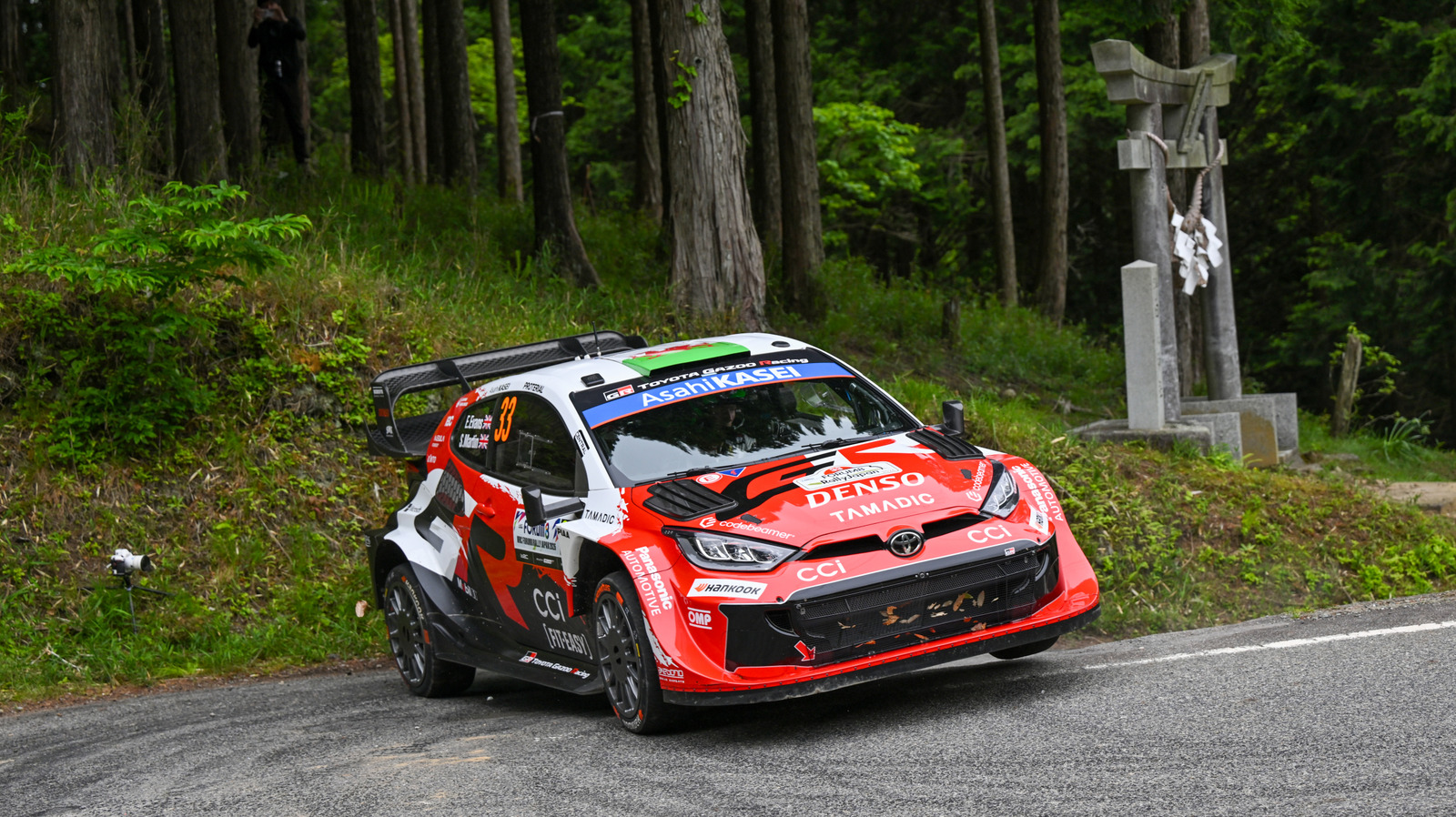
Think pocket rockets meeting full-throttle ambition: this piece digs into what makes compact hot hatches such addictive machines, from explosive torque to grin-inducing handling and the odd straight-line surprise that ruins cheaper sedans’ day.
Small cars with big power are a simple thrill and a complicated engineering success. They cram more punch into less space, and that mismatch is exactly why enthusiasts sit up and take notice. These cars are not just about numbers on a spec sheet, they are about how power, weight, and grip combine to make every drive feel alive. You get the immediacy of a sports car without the pomp and typically without the drain on your daily routine.
Under the hood you will find turbocharged engines that wake up at just the right moment and transmissions tuned to keep the fun coming. Modern turbos spool faster, and clever tuning smooths power delivery so traction is useful rather than a handful. Many of these cars use clever torque management and differential setups to turn raw power into usable acceleration. The result is a car that lunges, holds a line, and still lets you park it on a city street.
Chassis and suspension work is where the magic often hides. Engineers spend months tweaking bushings, roll bars, and dampers until the car rewards precision inputs without feeling brittle. That balance between planted stability and playful agility is what separates a toy from a tool. And when those pieces click, you get a machine that forgives a late turn-in and then rewards you with a grin on exit.
Braking and tires are quietly dramatic contributors to the hot hatch experience. Great stoppers give drivers the confidence to push limits, and sticky rubber translates horsepower into real-world gains. Package the right pad compound with a balanced caliper and rotor setup and the whole car feels sharper. Often the simplest upgrades here yield the biggest perceived improvements.
Weight matters more in smaller cars than in heavier machines, so builders hunt for shaving opportunities without ruining comfort. Lightweight seats, thinner glass, and targeted use of aluminum or composite components shave pounds where they count most. Less mass means quicker responses and less work for the drivetrain. The payoff is always a livelier throttle response and keener turn-in.
Inside, these cars mix function with a bit of theater. Seats hug you, pedals fall nicely underfoot, and steering gives clear, tactile information. Tech is integrated to help rather than distract, with systems that enhance track-day runs or tidy up a rainy commute. The cabin is rarely luxurious, but it is honest, and that honesty complements the focused nature of the driving experience.
Ownership stories often highlight the social side of hot hatches. They are approachable, affordable fun, and that makes them accessible to a wider crowd. Owners trade mods, swap tunes, and gather in parking lots to compare notes and smiles. That culture is as much a part of the appeal as any spec sheet number.
Manufacturers keep pushing boundaries, teasing more power in smaller packages and refining the control systems that make that power usable. The chase for better torque curves, smarter differentials, and lighter parts keeps the segment fresh. For buyers, that means choices that range from barely modified pocket rockets to near-sportscar performers, all wearing hatchback practicality.
Whether you are looking for daily usability with a grin or a platform to build the weekend warrior of your dreams, the hot hatch segment delivers a rare combination: compact size, big attitude, and driving promise. These cars remind us that excitement does not require a supercar budget, just sharp engineers and a willingness to extract performance from compact packages.
