
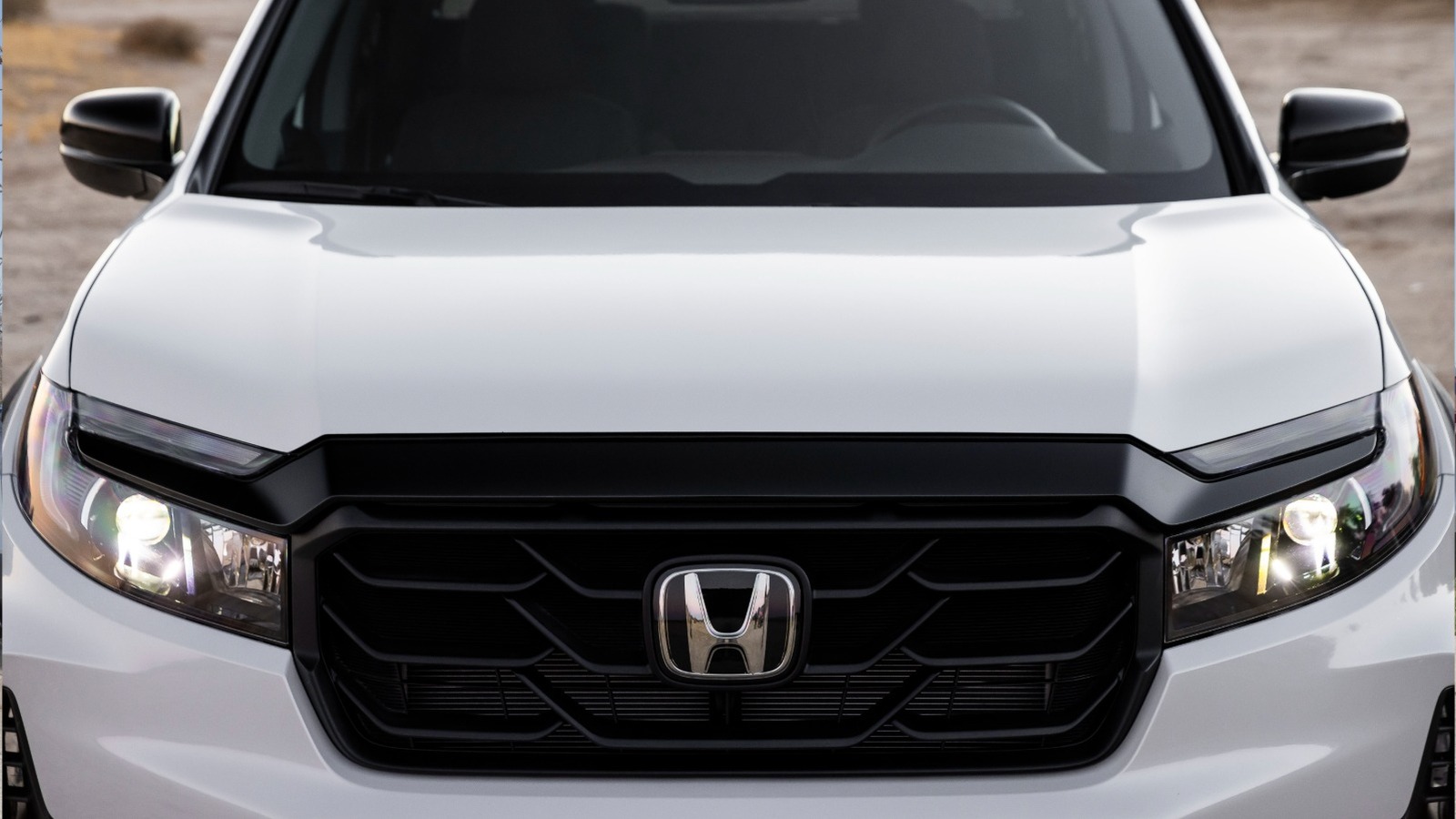
Honda is pausing production of its pickup truck for the next few years, and that decision is reshaping choices for buyers, dealers, and competitors alike. This pause reflects a mix of supply constraints, strategic shifts within the company, and a changing market for trucks. The following paragraphs explore what’s happening, why it matters, and what drivers should expect in the near term.
News that Honda will temporarily stop making its pickup has already rippled through dealer networks. Inventory that once moved steadily may thin out, and shoppers who prefer Honda’s compact truck pedigree will see fewer new units on lots. That scarcity could push some buyers toward rival brands or into the used market sooner than they planned.
Automotive production pauses rarely hinge on one single cause, and Honda’s move looks no different: global supply-chain headaches, semiconductor bottlenecks, and parts shortages all play a role. At the same time, automakers are juggling investments in electrification and new platforms, which can divert resources and factory time. When a company reprioritizes plants to prepare for next-generation models, temporary production gaps are a likely consequence.
For dealers the calculus gets immediate and practical: no fresh inventory means altered sales tactics and pressure on trade-ins. Dealerships may lean harder on financing deals, certified pre-owned programs, and cross-brand promotions to keep sales flowing. Customers who were holding out for specific trims or colors might be nudged into decisions faster than they intended.
The ripple effects extend to the used-vehicle market where demand for well-maintained pickups tends to be resilient. A pause in new production can lift values for existing examples, especially if the truck had a loyal following and distinctive utility. That’s good news for private sellers and trade-in values, but it can tighten options for buyers seeking brand-new warranties and the freshest tech.
Competitors are watching closely and will likely exploit any gap in Honda’s lineup, pushing offers that target practical truck buyers. Brands that already have strong pickup inventories can pitch superiority in availability, towing capacity, or tech features to win over fence-sitters. A temporary withdrawal from the segment hands momentum to rivals who are ready to meet demand without delay.
On the product side, Honda’s pause could signal a rethink about the pickup’s future direction — more electrification, platform sharing, or redesigns aimed at shrinking manufacturing complexity. If the company opts to retool plants for hybrid or battery-powered variants, the timeline could stretch but set a clearer path for future models. Any major reconfiguration will also hinge on regulatory forecasts and the pace of customer adoption for new powertrains.
For consumers the bottom line is practical: if you need a pickup soon, plan for fewer new Honda options and possibly higher prices on the most sought-after models. If you can wait, watch how Honda announces production restarts or new model plans, because the company’s moves will affect resale values and dealership offers down the line. Either way, this pause is a reminder that even well-known nameplates face real-world tradeoffs between supply, strategy, and the push toward future vehicle technologies.
