
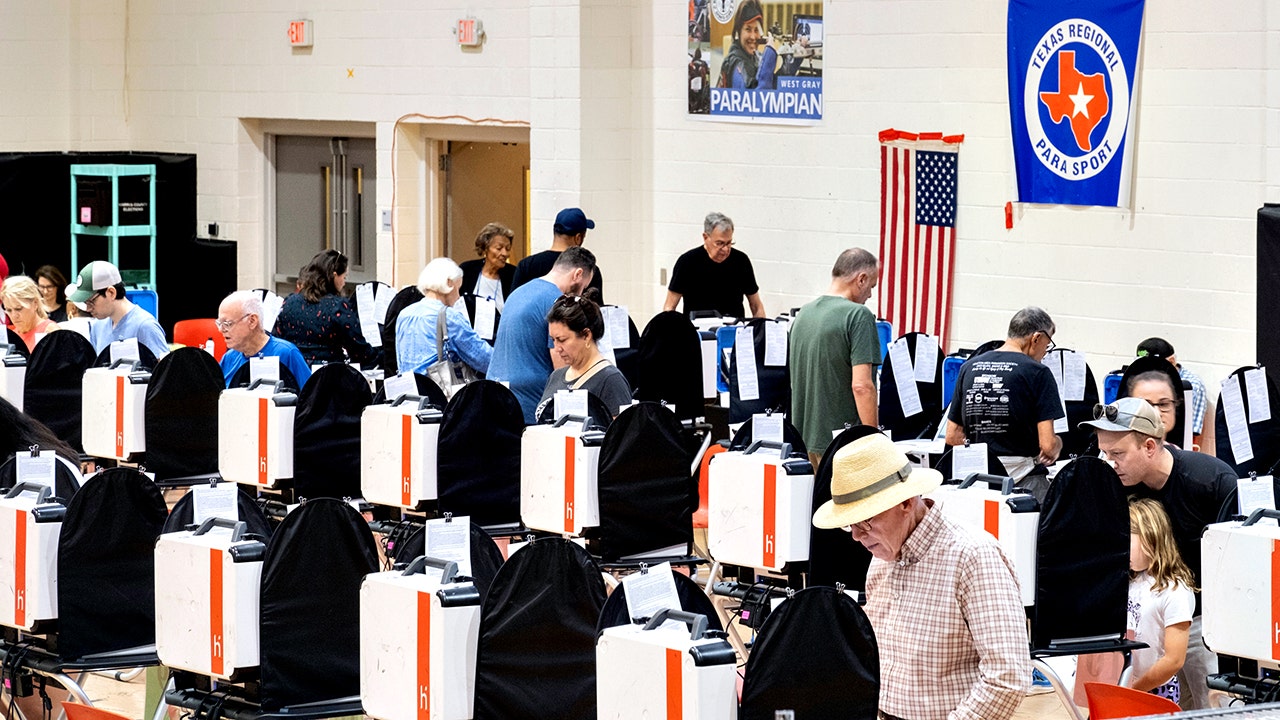
Hispanic voters are shaping up to be one of the biggest X factors in 2026, and both parties would be smart to treat that as a warning, not a slogan. The electorate is large, active, and still very much in play, with a lot of voters open to persuasion and not nearly as locked in as consultants like to pretend. That means the winning side will be the one that listens, shows up, and speaks to real concerns instead of relying on old assumptions.
One reason this matters so much is the size of the voting bloc itself. In 2024, a record 36.2 million Hispanic Americans were eligible to vote, and polling in competitive districts points to plenty of movement heading into 2026. More than half of those voters in some battleground surveys are either undecided or willing to change course, which makes this group impossible to ignore.
Too often, political coverage tries to squeeze Hispanic voters into a neat box. One cycle they are described as safely blue, the next they are framed as a dramatic Republican breakthrough, and both versions miss the point. Hispanic Americans do not move as a herd, and they do not hand their votes to a party just because it expects them to.
The issues driving this electorate are familiar, but the pressure behind them is very real. Cost of living, housing, jobs, health care, and opportunity sit near the top of the list, and those concerns hit hard in households that are juggling bills, family obligations, and long-term plans. In battleground districts, nine in ten Hispanic voters say the cost of living is a top issue, and many describe themselves as surviving rather than getting ahead.
That kind of economic strain changes how campaigns need to talk. Generic lines about the economy do not cut it when families are helping relatives outside the home, trying to keep up with rent or mortgage payments, and looking for a path that feels stable. Voters in this community are not asking for polished talking points, they are looking for proof that a candidate understands how the squeeze feels in everyday life.
There is also a deeper point here that campaigns miss at their own risk. Hispanic voters are not a demographic talking point, they are parents, workers, small business owners, neighbors, and churchgoers with their own priorities and their own sense of what leadership should look like. When campaigns treat them like a polling category instead of people, the message lands flat fast.
Interest in politics is still strong, though, and that makes the opportunity real for candidates willing to do the work. A recent Univision survey of registered Hispanic voters in Texas found overwhelming interest in voting this fall, but also showed widespread frustration that candidates spend too little time addressing Hispanic concerns. That combination says a lot: these voters are engaged, but many do not feel courted in a serious way.
Language is part of that picture, and it carries real weight. Seventy-one percent say it matters when candidates communicate in Spanish, and more than half say it would improve their view of a candidate. Speaking Spanish is not just a translation exercise, it signals respect, effort, and a willingness to enter the conversation on familiar ground.
That does not mean Spanish alone is some magic key. A campaign can say the right words and still feel distant if it never connects those words to the pressures people are living with. The voters who decide close races are usually the ones who notice consistency, not just one catchy ad or a last-minute flyer.
That is why outreach has become such a serious advantage in competitive districts. Candidates who make a real effort to connect with Hispanic communities have tended to do better than those who wait until the final stretch and suddenly discover a voter they barely noticed before. The difference is not cosmetic, because communities can tell when a campaign is present and when it is just passing through.
There is also a broader political lesson buried inside all of this. No party owns this electorate, and no consultant can freeze it in place with a clever memo or a viral clip. The candidates who stand out in 2026 will be the ones who understand that Hispanic voters want to be courted honestly, spoken to clearly, and taken seriously on the issues that touch their lives every day.
