
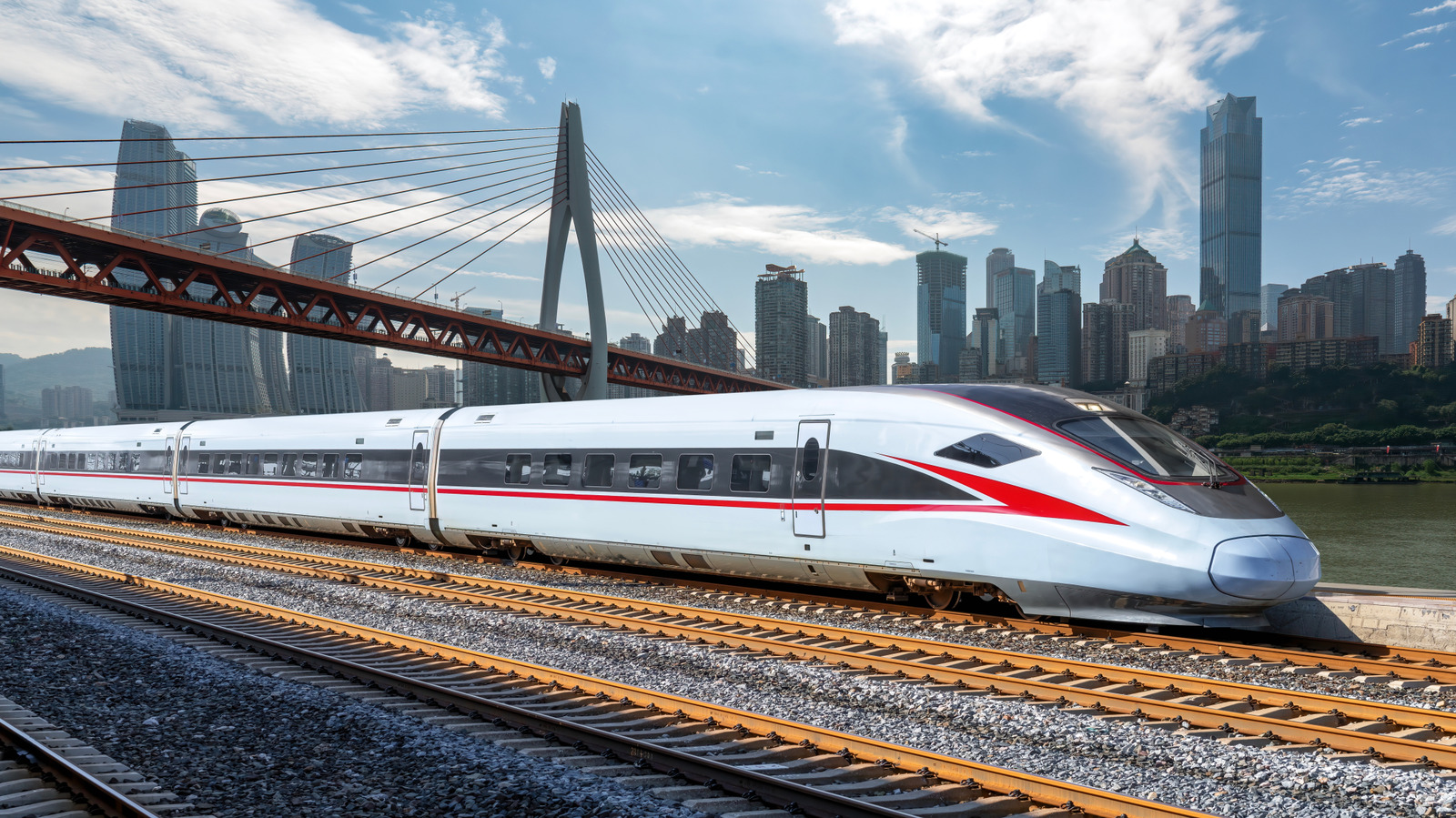
The United States has fallen behind much of the world on high-speed rail, but California is attempting a bold move to change that with an ambitious rail project aimed at linking major population centers and reshaping regional travel patterns.
America’s rail network grew out of freight needs and regional commutes, not the kind of dedicated high-speed corridors you find in Europe and Asia. That history means we lack the continuous infrastructure and political momentum that make high speeds practical and affordable elsewhere. Building true high-speed lines requires long-term planning, patient funding, and a willingness to prioritize transit over short-term wins.
California’s project sets out to connect Los Angeles and San Francisco with a faster, more reliable alternative to congested highways and crowded airports. The idea taps into real demand: those two regions account for enormous business, tourism, and personal travel flows every year. If executed well, the line could shift how Californians think about intercity travel.
Progress on the ground has been patchy, with completed sections, ongoing construction, and stretches still waiting on environmental reviews and land deals. Contractors have moved dirt, built viaducts, and laid the groundwork in Central Valley segments while planners wrestle with tougher urban sections. That staggered approach can show results early but also leaves gaps that make the system less useful until the full route is finished.
Cost, naturally, is the headline issue in any megaproject, and California’s rail faces scrutiny over budget estimates and timeline shifts. Inflation, permitting delays, and the complexity of building through dense regions all push numbers higher. Still, costs must be weighed against long-term benefits like reduced highway maintenance, lower emissions, and more efficient movement of people between major economic hubs.
Funding mixes federal grants, state bonds, and local contributions, creating a complicated financial patchwork that can slow decision-making. Relying on multiple revenue streams makes the program resilient in theory but sensitive in practice when one source changes its terms or timing. Clearer funding commitments and streamlined contracting can cut friction and keep crews working steadily toward completion.
Environmental concerns and community impacts are central to the debate, from habitat protections to property acquisitions and noise issues. Advocates argue the rail will lower greenhouse gas emissions and reduce traffic fatalities by shifting trips from cars to trains. Skeptics want stronger guarantees that construction will honor local needs and that benefits will reach communities along the route rather than just big city endpoints.
Technical choices matter: track gauge, electrification, station placement, and integration with existing transit networks will determine whether the service feels seamless or fragmented. Strategic station locations can feed regional transit, boosting ridership and reducing last-mile headaches. Conversely, isolated stations risk low usage and the perception of an expensive white elephant.
Learning from established systems overseas could shave years off California’s learning curve, but transplanting solutions requires adaptation to American land use and legal norms. There is no single blueprint that fits every context; success depends on pragmatic decisions, steady funding, and political will across administrations. If California gets the basics right—reliable service, reasonable fares, and good connections—the project could finally give the U.S. a credible long-distance rail option without pretending to be a carbon copy of Tokyo or Paris systems.
Scaling up beyond one corridor will be the true test of whether high-speed rail can become a national asset rather than a regional experiment. Building public trust through transparent progress updates, realistic timelines, and visible benefits along the way will be essential. The journey from proposal to daily commutes is long, but the California effort could become the prototype that nudges other states to rethink how Americans move between their biggest cities.
